


KAMPALA Uganda (UGNEWSLINE) – The Centre for Food and Adequate Living Rights (CEFROHT) has intensified its campaign for healthier eating habits among Ugandan children, urging parents and schools to reduce the consumption of junk food and embrace nutritious locally available foods.
The organisation says the growing consumption of highly processed foods, sugary snacks and soft drinks among children is a public health concern that requires urgent attention from parents, teachers, school administrators and government authorities.
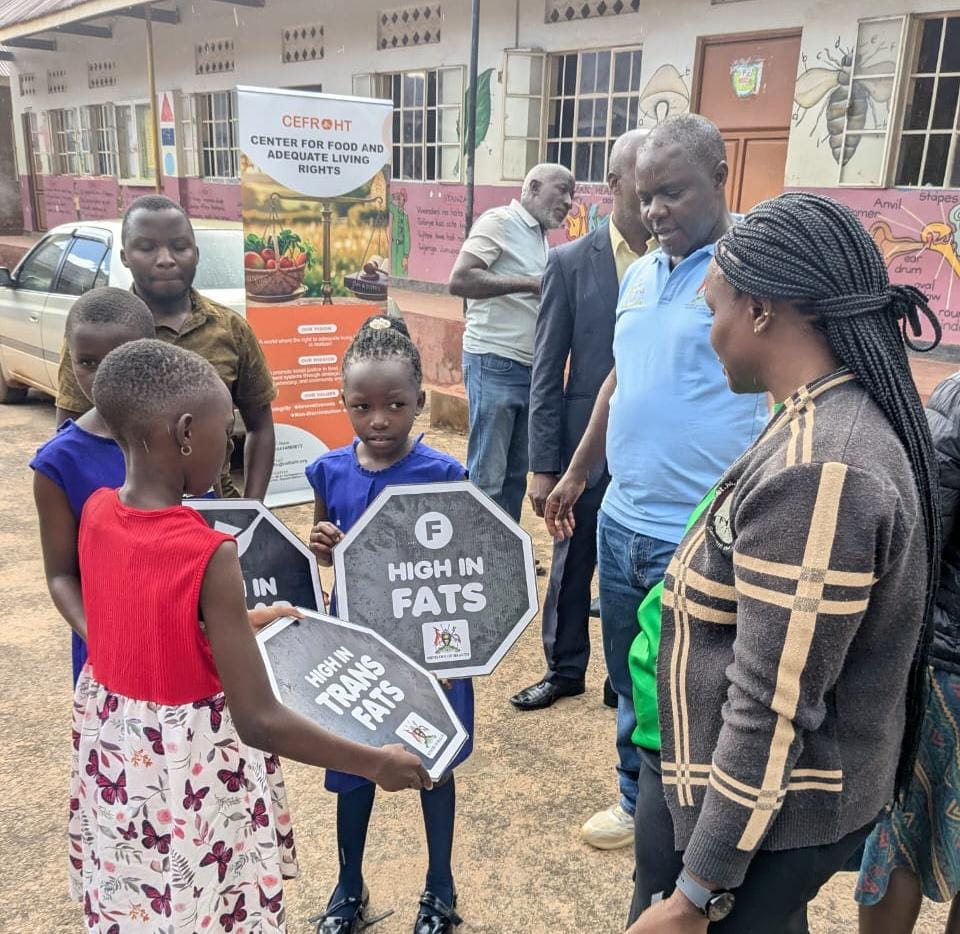
During a nutrition awareness campaign held at Boston Primary School in Makindye, Kampala, CEFROHT engaged pupils, parents, teachers and community leaders on the importance of healthy diets and the dangers associated with excessive consumption of unhealthy foods.
The organisation called on parents to take greater responsibility for their children’s nutrition by prioritising natural foods such as bananas, cassava, sweet potatoes, beans, matooke, millet and other locally available foods instead of routinely packing biscuits, crisps, sweets, sugary drinks and other processed snacks for school.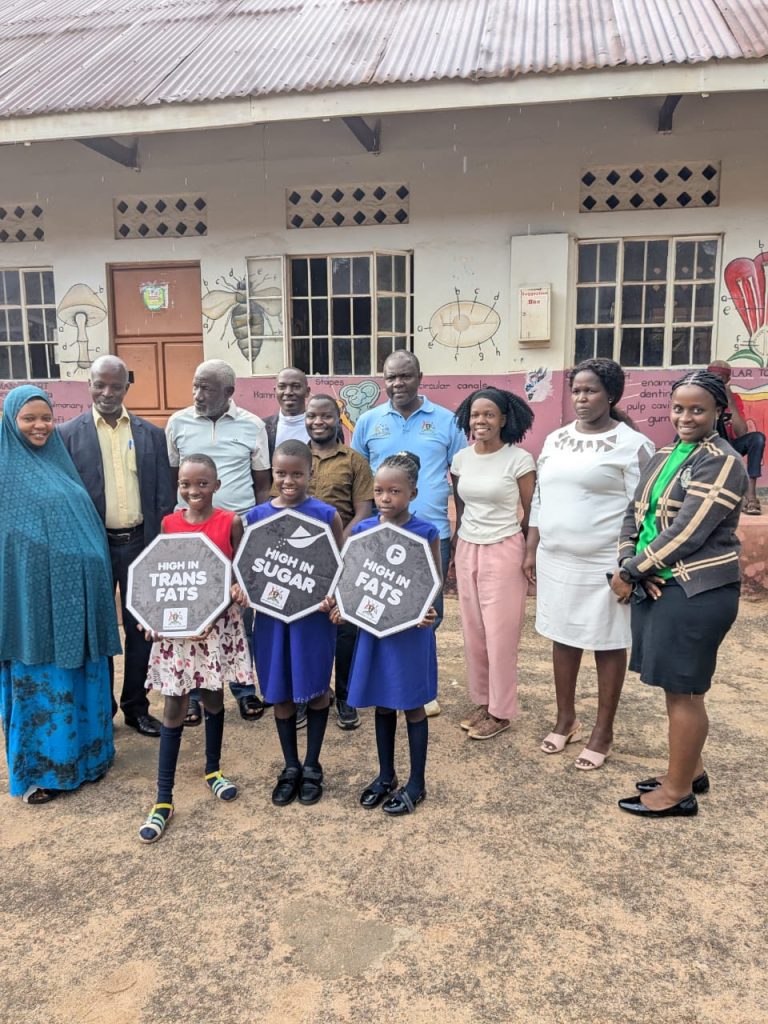 Ms Vastin Balindwa, CEFROHT’s Operations Manager, said many children are increasingly exposed to unhealthy foods because of aggressive advertising, attractive supermarket displays and the growing availability of cheap processed snacks.
She noted that supermarkets often display snacks prominently, while advertisements are designed to attract children’s attention, making it difficult for them to distinguish between healthy and unhealthy food choices.
“Today, it is so sad that children are eating a lot of snacks in their diet, and parents pack these snacks for them. But what they are taking in is so bad and dangerous for them,” Balindwa said.
She emphasised that the responsibility for changing children’s eating habits starts at home, urging parents to prepare balanced meals using locally available foods.
Balindwa encouraged parents to develop weekly household meal plans that include nutritious foods, explaining that children could have eggs and other protein sources alongside traditional meals such as matooke, sweet potatoes, silver fish, cassava, millet and beans.
She also urged parents to avoid making fast foods such as chips, chicken, instant noodles and spaghetti regular meals for children, saying such foods should only be consumed occasionally.
According to Balindwa, poor eating habits are contributing to the growing burden of non-communicable diseases, including diabetes, high blood pressure and some cancers.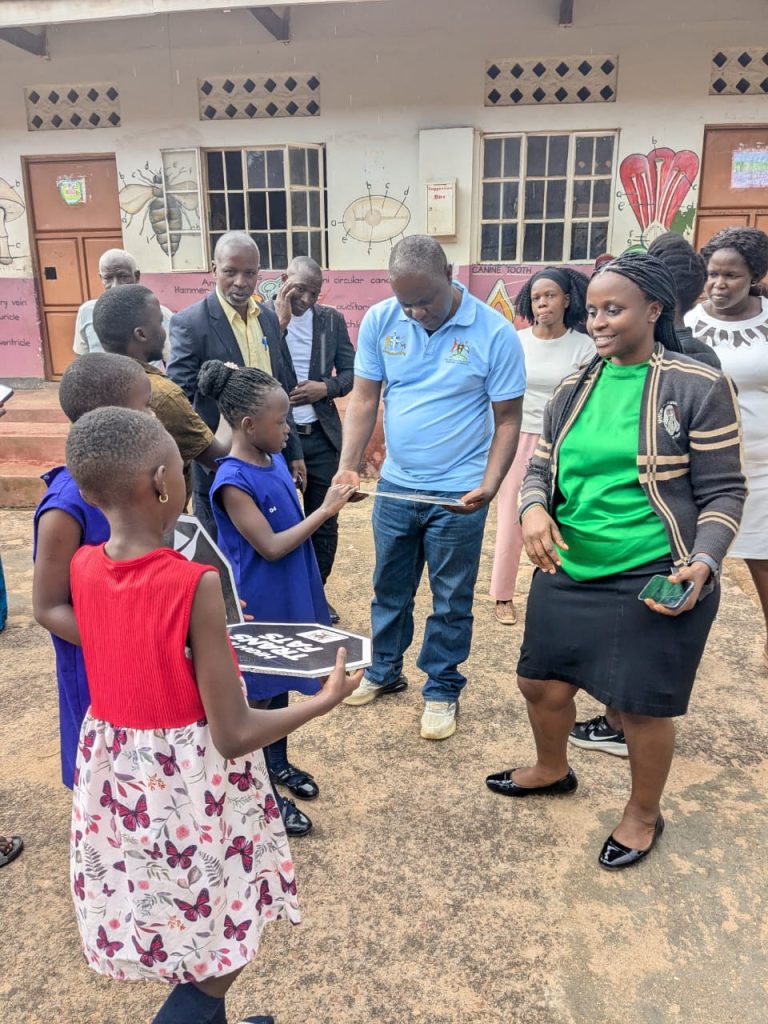 She further called for stronger collaboration between parents and school administrators to ensure that children receive consistent messages about healthy eating both at home and at school.
Balindwa said disagreements sometimes arise when parents object to schools serving traditional foods such as millet porridge and beans, yet such foods can provide important nutrients for growing children.
She urged schools to educate parents about the nutritional benefits of traditional meals and work together to encourage children to appreciate healthier food choices.
The campaign, she said, will be extended to other regions of Uganda, with the ultimate aim of promoting food justice and improving nutrition across communities.
“We want the whole nation healthy. It is not stopping in the Central Region. We shall move to the Western, Eastern, Northern and other parts of the country,” she said.
Jonathan Lubega, a Senior Legal Associate at CEFROHT and the lead facilitator at the engagement, said the increasing consumption of unhealthy foods is partly driven by their affordability, accessibility and aggressive marketing.
He raised concerns that consumers often lack sufficient information about the nutritional composition of products they purchase, particularly their sugar, salt and fat content.

Lubega called for stronger food labelling requirements to help consumers make informed decisions about what they eat.
He also cautioned against unsafe food preparation practices, particularly among roadside food vendors, saying the use of old cooking oil, poorly maintained equipment and contaminated preparation surfaces could expose consumers to harmful substances.
He cited the preparation of chapati, samosas and chips as some of the areas requiring closer attention to food hygiene and safety standards.
Lubega explained that excessive consumption of highly processed foods, unhealthy fats and oils could increase the risk of diet-related diseases.
He said the school engagement is designed not only to create awareness but also to encourage communities to take practical steps towards changing their eating habits.
The initiative is also intended to encourage changes in school canteens, particularly the types of snacks and meals sold to learners.
“We want to see a nutrition transition in schools, what children eat, what parents bring for children and what children pack. It should be put into effect,” Lubega said.
He added that the organisation wants parents, school administrators and community leaders to fulfil the commitments made during the engagement and ensure that the lessons shared translate into lasting behavioural change.
Boston Primary School Headteacher, Apio Harriet Okello, welcomed the campaign, saying it has helped her appreciate the relationship between nutrition, children’s health and academic performance.

She said the school would intensify nutrition sensitisation among parents and encourage them to pack natural and nutritious foods for their children instead of unhealthy snacks.
Okello also pledged to involve teachers in promoting healthy eating by incorporating nutrition messages into classroom discussions, regardless of the subjects they teach.
She said the school would engage canteen operators to review the snacks and foods sold to learners and encourage healthier alternatives.
The headteacher revealed that many pupils currently come to school with fried eggs, crisps, sweets, biscuits and packaged juices, highlighting the need for greater parental awareness.
She said the school would work with parents and other stakeholders to change the trend and ensure that children develop healthier eating habits.
Makindye Division Health Inspector, Richard Wakisa, also supported the campaign, warning that Uganda is experiencing an increase in non-communicable diseases partly associated with changing lifestyles and dietary habits.
He said communities are increasingly moving away from traditional foods towards highly processed products, which often contain excessive amounts of sugar, salt and unhealthy fats while providing limited essential nutrients.
Wakisa said this dietary shift is contributing to the growing burden of diseases such as diabetes, cardiovascular conditions and some cancers.
He pledged to use his office to strengthen food safety inspections in schools and communities, particularly targeting school canteens, kitchens and food handlers.
He said health inspectors would intensify monitoring of food preparation areas to ensure cleanliness, proper personal hygiene, availability of handwashing facilities and adequate clean water.
Wakisa also cautioned food handlers against dangerous practices, including preparing or handling food using inappropriate polythene materials, which could compromise food safety.
He urged parents to lead by example by preparing nutritious meals at home and packing locally available foods such as sweet bananas, avocados and other fruits for their children.
He further committed to strengthening school health programmes to ensure that school kitchens and canteens comply with recommended food hygiene and nutrition standards.
Parents who attended the engagement welcomed the initiative, saying it has provided useful information on the importance of proper nutrition and called for more training sessions to reach additional parents and learners.