




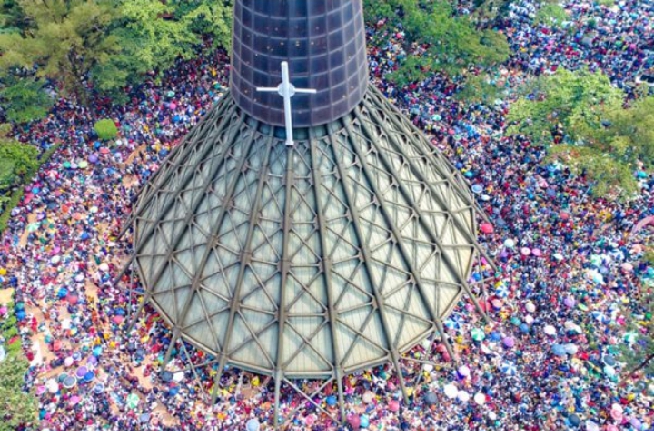
Uganda’s government has maintained June 3 as a national public holiday commemorating Uganda Martyrs Day despite the suspension of large-scale celebrations earlier ordered by President Yoweri Museveni in response to Ebola concerns.
The decision means Ugandans will still observe the revered national and religious occasion as an official holiday, even though traditional mass pilgrimages and public gatherings at the sacred shrine in Namugongo were halted as part of public health measures aimed at containing the deadly virus outbreak.
Allan Kasujja, the Executive Director, Uganda Media Center clarified in a one paragraph communication, that while public celebrations had been suspended to safeguard lives, the legal status of Martyrs Day as a gazetted public holiday remained unchanged.
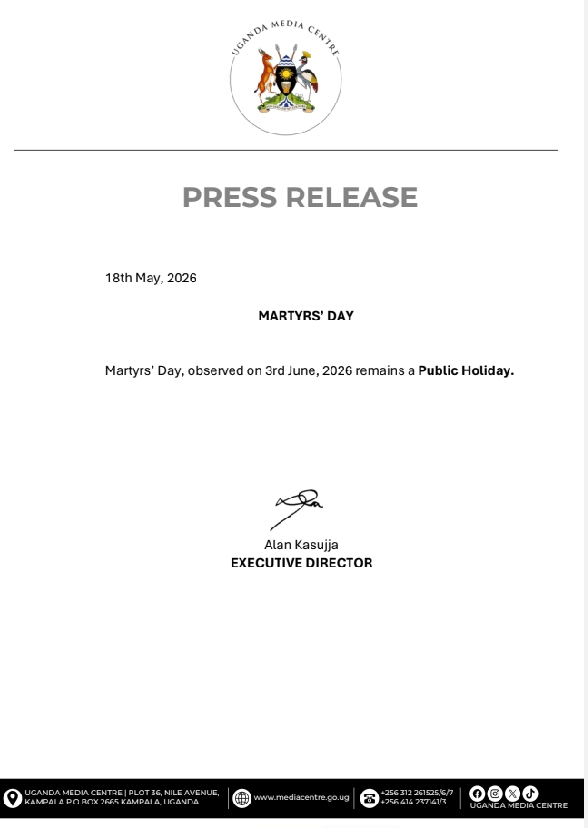
The move is to avoid mass gatherings to prevent the spread of Ebola while preserving the national significance of the day.
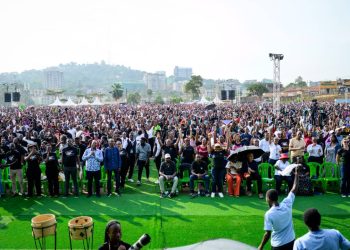
Martyrs Day is among Uganda’s most important religious observances, drawing millions of pilgrims annually from across Africa and beyond. The day honors a group of 45 young Christian converts, both Catholic and Anglican, who were executed between 1885 and 1887 on the orders of Kabaka Mwanga II of Buganda for refusing to renounce their faith.
The annual commemoration at Namugongo has evolved into one of the continent’s largest religious pilgrimages, marked by prayer services, processions, overnight vigils, and journeys undertaken on foot by believers traveling hundreds of kilometers from neighboring countries including Kenya, Tanzania, Rwanda, South Sudan, and the Democratic Republic of Congo.
The government’s decision to retain the public holiday status despite suspending physical celebrations reflects the delicate balance between public health protection and preserving a deeply rooted cultural and spiritual tradition.
President Museveni’s restrictions came amid fears that mass gatherings could accelerate the spread of Ebola, particularly given the international nature of the pilgrimage.
Health authorities warned that crowded religious events posed a major risk during the outbreak, prompting the unprecedented suspension of public commemorations.
Even without the traditional gatherings at Namugongo, churches across Uganda encouraged believers to mark the day through smaller prayers, home observances, and broadcasts, ensuring that the memory of the Uganda Martyrs would still be honored nationwide.