


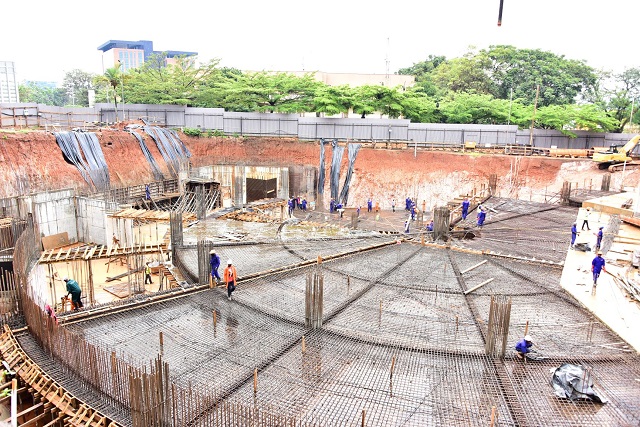
KAMPALA — The Auditor General has faulted construction firm ROKO Construction Limited for repeatedly postponing the completion of the new chambers for the Parliament of Uganda, raising fresh concerns over accountability and value for money.
According to the Auditor General’s report for the 2024/25 financial year, the contractor has revised the project completion date six times, with the latest timeline now pushed to December 30, 2027. The audit notes that progress on the construction remains significantly behind schedule, with only 49 percent of the work completed against a planned target of 69 percent for the period under review.
The findings intensify scrutiny of a project that has already consumed substantial public funds and continues to face delays, forcing legislators to operate from rented premises.
The issue has also played out on the floor of Parliament, where Leader of the Opposition Joel Ssenyonyi questioned the rising costs and shifting timelines. He told the House that at least UGX 263 billion has already been spent, while additional funding requests from the contractor remain a concern.
In response, Speaker Anita Annet Among defended the Parliamentary Commission’s decision not to terminate the contract, warning that doing so could expose the government to even greater financial losses.
“The contract could not be terminated because the company had already been paid,” Among said.
However, she revealed that Parliament halted direct payments to ROKO as a safeguard against further financial risk. Under a revised arrangement agreed with the Ministry of Finance, payments are now made directly to suppliers and service providers involved in the project.
These payments cover ongoing works, including redesign adjustments linked to past security concerns and installations such as glass fittings.
Among said the measure is intended to tighten accountability, ensure funds are used strictly for ongoing construction, and prevent misuse of public resources.
The Auditor General’s report, however, underscores persistent weaknesses in project execution, pointing to delays that continue to derail planned timelines and raise questions about contract management.
With no firm completion date and costs continuing to rise, pressure is mounting on Parliament to strengthen oversight and ensure the long-delayed chambers project delivers value for money.