
KAMPALA, Uganda (UGNEWSLINE) – Uganda’s Mulago Specialised Women and Neonatal Hospital (MSWNH) is targeting a 70 per cent survival rate among premature babies, up from the current 60 per cent, as it moves to strengthen specialised newborn care, expand follow-up services and improve access to life-saving surgical interventions.
The hospital’s leadership was commended for pursuing the ambitious target, with particular emphasis on extremely premature babies, who are among the smallest and most vulnerable newborns.
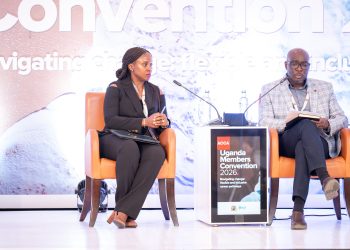
The commitment was highlighted by the Permanent Secretary in the Ministry of Health, Dr Diana Atwine, during the 2026 World Prematurity Day celebrations held at the hospital under the theme, “Small Babies, Big Potential: Invest in Follow-up Care to Protect Their Future”.
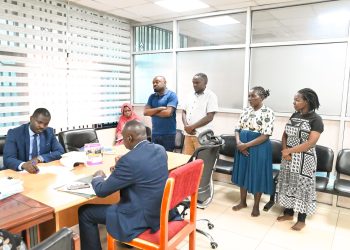
During her visit, Atwine toured the hospital’s Neonatal Intensive Care Unit (NICU), where she commended health workers for their efforts in caring for vulnerable newborns. She reaffirmed the government’s commitment to supporting the hospital’s infrastructure development programme to strengthen its capacity to deliver specialised neonatal services.
The hospital’s Executive Director, Dr Sam Ononge, said government investment had enabled the facility to increase its admissions to an average of 122 babies per month, with premature newborns accounting for 45 per cent of all NICU admissions.
He described prematurity as the leading cause of admission to the unit, noting that the babies require intensive and prolonged medical attention to survive and achieve healthy development.
“Premature babies stay at the hospital for a median of 60 days. During this period, we provide respiratory support, thermal care and feeding assistance, while preventing and managing infections and other medical complications,” Ononge said.
He thanked the government for supplying essential life-saving commodities, including surfactant, caffeine and Continuous Positive Airway Pressure (CPAP) equipment, which are critical in managing breathing difficulties among premature newborns.
Ononge said the hospital was also prioritising the upgrading of its NICU to Level Four capacity, alongside plans to recruit a paediatric surgeon to enable babies with surgical conditions to receive timely treatment without being referred elsewhere.
The hospital also intends to strengthen its premature babies’ follow-up clinic to ensure every newborn discharged from the NICU receives continued medical monitoring until the age of two years.
The initiative is intended to address health complications that may emerge after discharge, including feeding difficulties, poor growth, recurrent infections and developmental challenges affecting hearing, vision, movement and learning.
Ononge emphasised that survival alone was not enough, arguing that sustained follow-up care was essential to improving the long-term health and development of children born prematurely.
The hospital is also expanding family-centred interventions, including Kangaroo Mother Care, breastfeeding and lactation support, access to its breast milk bank and psychosocial services to help mothers and families cope with the challenges of caring for premature babies.
Beyond providing specialised treatment, MSWNH is strengthening its role as a national training institution for healthcare workers involved in maternal and newborn care.
Ononge said the hospital had trained 56 doctors, midwives and other health workers from public and private health facilities during the current financial year, in an effort to improve the quality of neonatal services across the country.
He also reported a positive trend in the number of mothers reaching the hospital before delivery, with approximately 80 per cent of premature babies now arriving in utero, allowing medical teams to prepare for their care before birth.
The development is expected to improve coordination between maternity and neonatal teams, particularly for pregnancies at risk of premature delivery, when early medical intervention and specialised care can make a critical difference.
As Uganda joins the rest of the world in marking World Prematurity Day, the hospital’s renewed focus is on ensuring that babies born too soon not only survive the critical first days of life but also receive the continued care and support needed to grow, develop and reach their full potential.