


KAPCHORWA, Uganda (UGNEWSLINE) — Uganda’s campaign to end Female Genital Mutilation (FGM) is showing signs of progress, with cultural leaders in the country’s eastern Sebei region reporting no openly conducted cases for at least three to four years. But warnings that the practice may have moved underground highlight the difficulties facing efforts to eradicate a deeply rooted tradition.
The reported decline marks an important development in a country that criminalised FGM more than 16 years ago, introducing legislation intended to protect girls and women from a practice associated with serious physical and psychological harm.
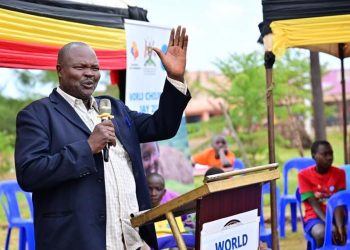
Samuel Yeko, spokesperson for the Sabiny Cultural Institution, said the last known cases in the Sebei sub-region were reported around 2022, with no openly reported cutting incidents since then.
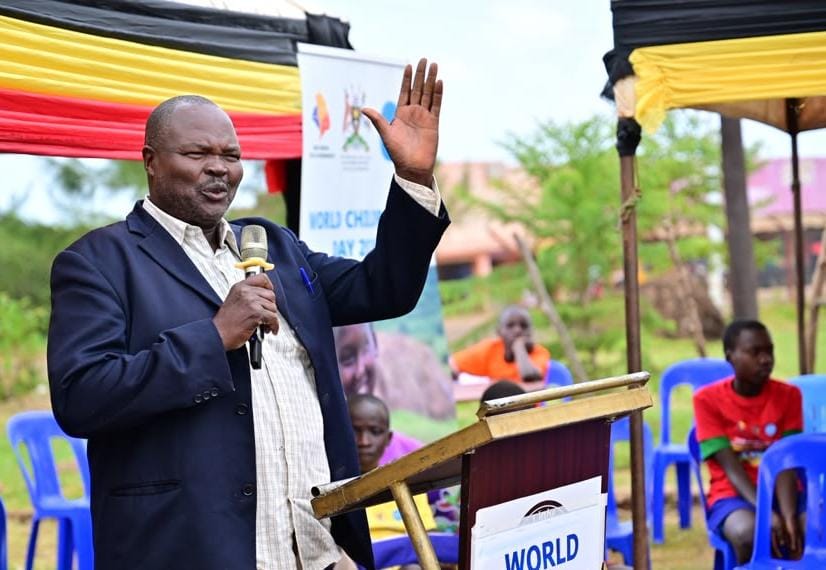
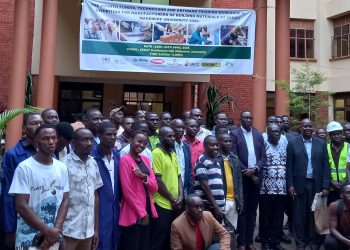
Speaking at a children’s parliament at Kapchorwa District headquarters on November 19, 2026, Yeko attributed the change to sustained community sensitisation, the involvement of cultural leaders and government interventions, including support from international development organisations such as the United Nations Population Fund (UNFPA).
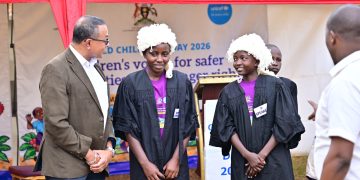
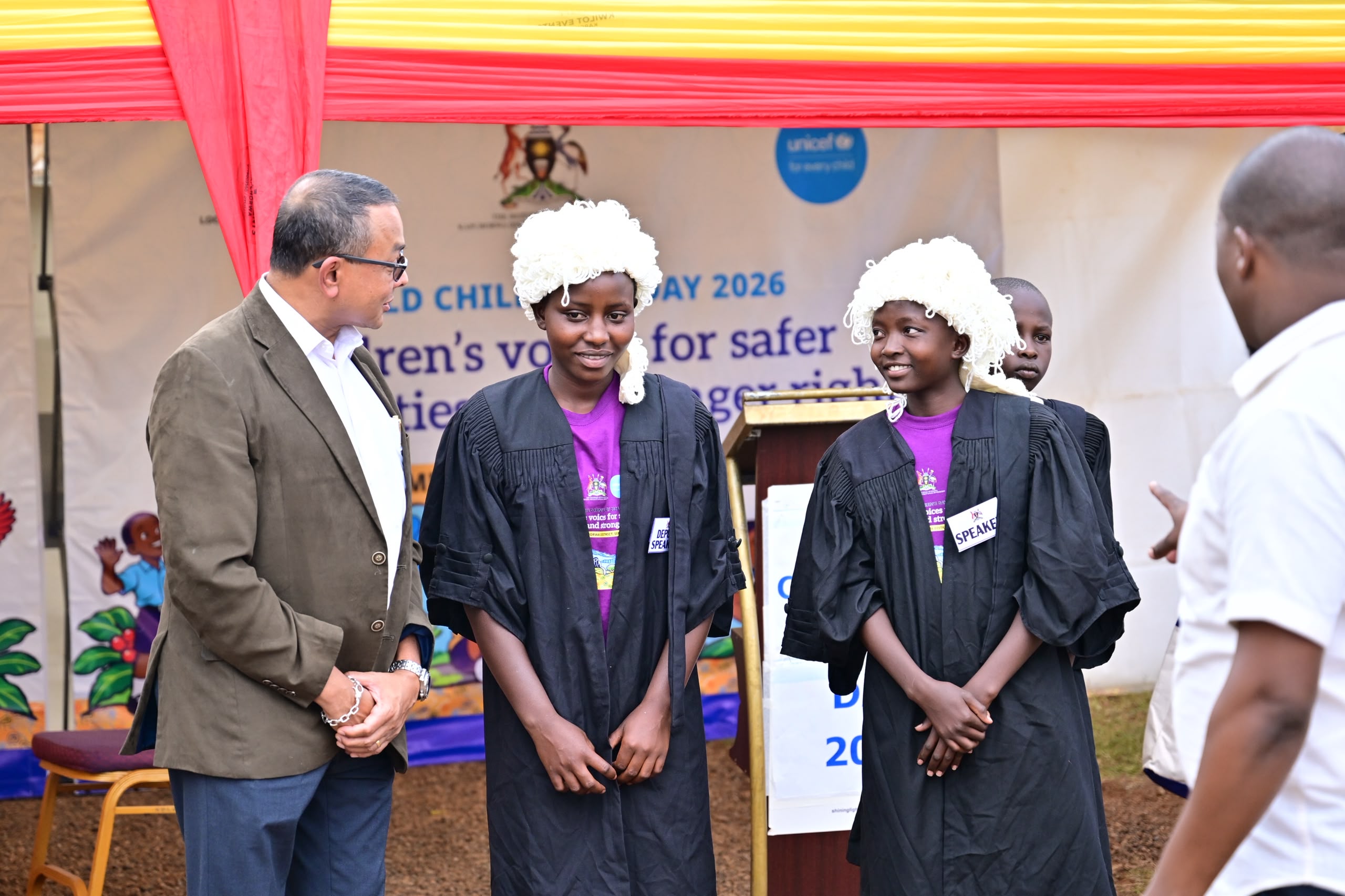
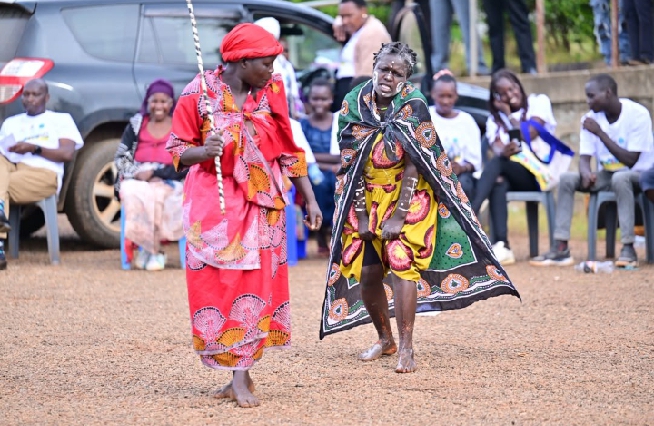
At the event several plays were performed showing the effects of cultural harmful practices especially FGM of female circumcision.
He cautioned, however, that the absence of public cases did not necessarily mean the practice had disappeared.
“Some cases could still be happening secretly,” he said, urging communities to report individuals suspected of performing FGM.
His remarks capture both the progress and uncertainty surrounding Uganda’s efforts to end a practice that has traditionally been associated with adulthood, marriageability and social acceptance among some communities.
For international campaigners working to eliminate FGM, the developments in Sebei offer an example of how cultural institutions can help change attitudes. They also demonstrate why declining public visibility must be accompanied by stronger monitoring and protection mechanisms.
A cultural shift in eastern Uganda
FGM has historically been practised among sections of the Sabiny, Pokot, Tepeth and Kadam communities in eastern and northeastern Uganda, particularly in the Sebei and Karamoja sub-regions.
The practice involves the partial or total removal of external female genitalia, or other injury to female genital organs, for non-medical reasons.
The World Health Organization classifies FGM as a violation of the human rights of girls and women. It provides no health benefits and can cause severe bleeding, infection, chronic pain, psychological trauma, complications during childbirth and other lifelong health problems.
In parts of Sebei, cutting was traditionally considered an essential initiation into womanhood. Girls who had not undergone the procedure could face discrimination, social exclusion and difficulties participating in certain traditional ceremonies.
In some families, it was also associated with marriageability and expectations surrounding bride price.
Yeko said cultural attitudes had changed considerably, with traditional leaders now publicly rejecting the idea that cutting determines whether a girl has become a woman.
“We have now agreed that a woman is a woman, even that one who has not undergone FGM,” he said.
The statement reflects a significant shift in the position of cultural leadership, which has increasingly become an important partner in efforts to abandon the practice.
Rather than treating FGM solely as a law enforcement issue, community interventions have sought to challenge the social expectations that sustain it.
This approach is particularly important in rural communities, where elders and traditional institutions continue to influence family decisions, marriage practices and the upbringing of children.
The law that changed Uganda’s response
Uganda’s campaign gained a major legal foundation with the enactment of the Prohibition of Female Genital Mutilation Act, 2010, which came into force on April 9 that year.
The legislation criminalises performing FGM, attempting to carry it out, facilitating the procedure, encouraging or coercing a girl or woman to undergo it, and participating in arrangements that lead to the practice.
A person convicted of performing FGM faces a prison sentence of up to 10 years. Aggravated FGM, including cases involving death or other specified serious circumstances, can attract life imprisonment.
The law also addresses cross-border FGM, recognising that criminalising the practice within Uganda would be insufficient if families could take girls to neighbouring countries for cutting.
It provides a framework for protecting girls at risk, reporting suspected offences and seeking legal remedies for victims.
The legislation was an important departure from an approach that had often treated FGM as a private cultural matter. It established that cultural identity and tradition cannot override the rights, dignity and bodily integrity of girls and women.
However, the experience of the past 16 years suggests that legislation is most effective when supported by community ownership, accessible protection services and consistent enforcement.
Evidence of progress, but national disparities remain
Uganda has recorded encouraging reductions in FGM prevalence, particularly among younger generations.
According to figures cited in UNFPA’s reporting, prevalence among girls and young women aged 15–19 declined from 0.5% in 2006 to 0.1% in 2016.
Although these figures are encouraging, they are based on historical survey data and should not be interpreted as a current national estimate.
The practice remains concentrated in particular geographical and cultural communities, meaning national averages can obscure the challenges facing districts where FGM has traditionally been more common.
The 2025 UNICEF country snapshot identifies the Karamoja and Elgon regions as areas requiring continued attention, reporting prevalence figures of 2.2% and 2.1%, respectively.
Government agencies, civil society organisations, cultural institutions and development partners have contributed to the response through public awareness campaigns, girls’ education, community mobilisation and support for survivors.
The UNFPA-UNICEF Joint Programme on the Elimination of FGM has been particularly important in supporting interventions designed to prevent cutting and strengthen services for affected women and girls.
Its 2024 Uganda country reporting documented 13,918 girls and women receiving prevention and protection services, exceeding the programme’s target of 8,528.
A further 10,757 received FGM-related health services, while 689 vulnerable girls aged between five and 19 received educational support.
These interventions reflect a broader understanding that eliminating FGM requires addressing not only the procedure itself but also the social and economic conditions that expose girls to risk.
Alternative rites of passage offer a different future
One intervention attracting attention in Uganda is the development of Alternative Rites of Passage (ARP), which seek to preserve the positive cultural elements of traditional initiation ceremonies without subjecting girls to genital cutting.
Traditionally, initiation ceremonies have provided opportunities for girls to receive guidance from older women, learn community values and responsibilities, and gain recognition as adults.
However, the association of these ceremonies with FGM has exposed generations of girls to unnecessary physical and psychological harm.
The proposed alternative seeks to separate cultural initiation from genital mutilation.
Under the approach, girls can participate in mentorship programmes, cultural education, reproductive health awareness, life-skills training and discussions about personal rights and responsibilities without undergoing cutting.
The Sabiny Cultural Institution has been involved in efforts to promote a Sabiny Women Alternative Rite of Passage initiative, aimed at providing a culturally acceptable alternative to traditional cutting ceremonies.
The approach is significant because it recognises that eliminating FGM requires more than banning the procedure. Communities must also have acceptable alternatives to the social functions historically associated with initiation.
By involving elders, parents, cultural leaders and women who have undergone FGM, the initiative has the potential to reshape traditional expectations while preserving positive aspects of cultural identity.
For Uganda, successful implementation could provide a model for other communities facing similar challenges.
However, the proposed initiative will require adequate funding, sustained community participation, institutional support and clear safeguards to ensure that girls are not subjected to pressure or harmful practices under the guise of alternative ceremonies.
Threat of underground and cross-border cutting
Despite the reported absence of open FGM cases in Sebei, the possibility that the practice continues in secret remains a major concern.
Following the introduction of the 2010 law, some families and practitioners may have moved cutting away from public ceremonies to private locations to avoid detection.
This creates difficulties for authorities seeking to monitor the practice, identify perpetrators and protect girls at risk.
The challenge is compounded by the social pressure victims may face when considering whether to report FGM involving relatives or respected members of their communities.
Fear of discrimination, family conflict and community rejection can discourage girls and women from seeking help.
Cross-border cutting is another concern, particularly in communities living along the Uganda-Kenya border.
Social and family relationships across the border can make it possible for families to take girls to neighbouring areas where the procedure may be performed outside the reach of Ugandan authorities.
This makes cooperation between Uganda and Kenya essential, particularly in intelligence-sharing, community surveillance, victim protection and the prosecution of offenders.
The reported absence of public cases in Sebei should therefore be treated as an encouraging development rather than conclusive evidence that FGM has been eradicated.
Authorities and community organisations must continue monitoring the situation, including through confidential reporting systems and access to child protection services.
Child marriage, teenage pregnancy compound the problem
The discussion at Kapchorwa’s Children’s Parliament also highlighted wider challenges affecting girls in the region, including child marriage, teenage pregnancy, sexual abuse, defilement and school dropout.
Yeko said cultural leaders were working to discourage parents and elders from negotiating marriages and dowry arrangements involving underage girls.
He stressed that the traditional exchange of cattle and other gifts should not be used to justify marrying off children before they reach adulthood.
The concerns are closely connected to the broader struggle for girls’ rights.
Where poverty, limited educational opportunities and restrictive gender expectations persist, girls may face multiple forms of discrimination and vulnerability.
Keeping girls in school, improving access to reproductive health information and supporting families economically are therefore important components of efforts to eliminate FGM.
Children who attended the parliament from Kapchorwa, Kween and Bukwo districts used the gathering to raise concerns about violence, exploitation, early marriage and barriers to education.
Their participation was part of activities marking World Children’s Day on November 20, under the theme “My Day. My Rights. My Future.”
UNICEF Representative Dr Robin Nandy told leaders that children had the right to express their views on decisions affecting their lives and that their concerns should be taken seriously.
He challenged local authorities, parents and community leaders to make clear commitments to address the problems raised by the children.
Nandy also highlighted concerns raised by girls about FGM, teenage pregnancy and access to education, urging men and boys to take greater responsibility for protecting girls from violence.
He said the United Nations Convention on the Rights of the Child, adopted in 1989, recognises children’s right to be heard and have their views considered in decisions affecting them.
UNICEF said it would continue supporting efforts to make children’s parliaments regular platforms for dialogue between young people and decision-makers.
Enforcement remains critical
Uganda’s progress has not removed the need for stronger law enforcement.
Although the 2010 Act provides for substantial penalties, investigating and prosecuting FGM cases can be difficult in communities where the practice is defended by longstanding social expectations.
The absence of publicly reported cases also creates a risk that authorities may underestimate the scale of the problem.
Police, local government officials, health workers and child protection organisations need adequate training and resources to identify cases, protect witnesses and support survivors.
There is also a need to strengthen healthcare services for women who have undergone FGM, including access to counselling, reproductive health services and treatment for complications.
Economic vulnerability factor
Where girls have limited access to education and families face poverty, traditional expectations surrounding marriage and bride price can reinforce pressure to undergo FGM.
Investments in girls’ education, vocational training and women’s economic empowerment are therefore central to long-term prevention.
Uganda’s test ahead of 2030
The international community has committed to ending FGM by 2030 under Sustainable Development Goal 5, which seeks to achieve gender equality and empower all women and girls.
Uganda’s experience demonstrates that progress is possible when legislation is combined with cultural engagement, education and community-led change.
The reported absence of open FGM cases in Sebei over the past several years is an important indication that traditional institutions can help transform practices once regarded as compulsory.
But the warning that cutting may continue secretly underscores the difference between reducing public acceptance of FGM and eliminating it entirely.
The next phase of the campaign will depend on whether the gains achieved through the law and community sensitisation can be translated into lasting behavioural change.
The proposed ARP could help accelerate that transition by allowing communities to retain cultural identity and mentorship without exposing girls to harm.