


KAPCHORWA, Uganda (UGNEWSLINE) – The Sebei Sub-region has not recorded any open cases of Female Genital Mutilation (FGM) in the last three to four years, although the practice is believed to have gone underground, the Sabiny Cultural Institution has said.
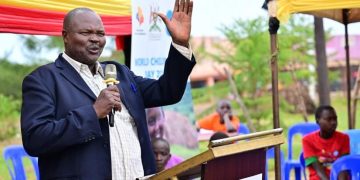
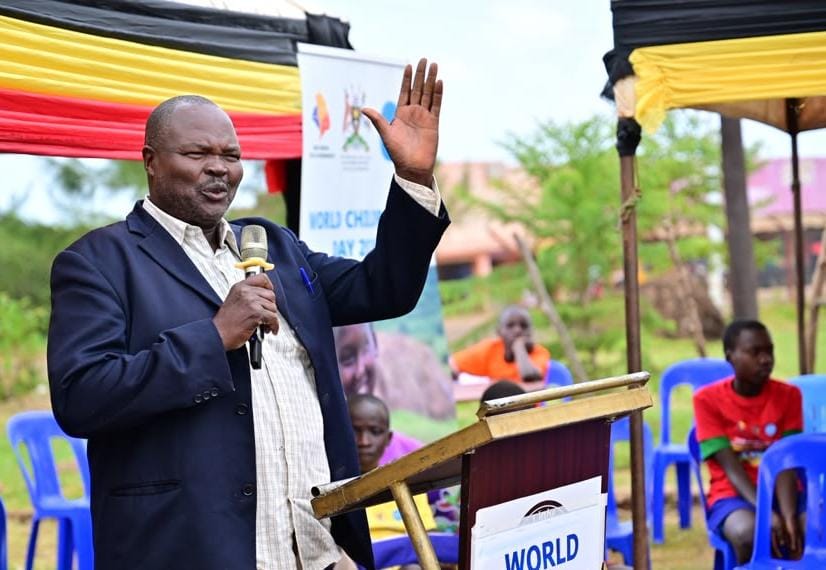
Samuel Yeko, spokesperson of the Sabiny Cultural Institution, said cultural leaders, elders and government efforts to discourage FGM has helped change community attitudes towards the practice, which was traditionally considered a requirement for girls to qualify as women.
Speaking on Thursday, November 19, 2026, during the Children’s Parliament at Kapchorwa District headquarters, Yeko said the last known cases were reported around 2022, but no open cutting cases has been registered in recent years.
The Children’s Parliament brought together pupils from Kapchorwa, Kween and Bukwo districts as part of activities to mark World Children’s Day, celebrated on November 20.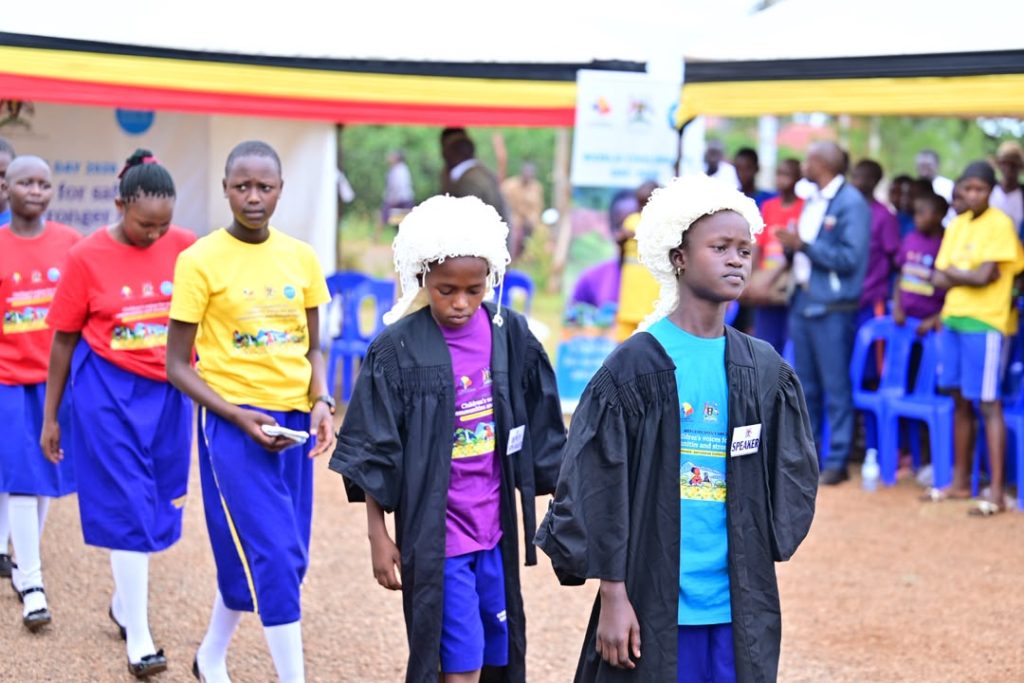 Yeko said the Sabiny community has made significant progress in abandoning FGM following years of sensitization by cultural leaders, government and development partners, particularly the United Nations Population Fund (UNFPA).
He recalled that FGM was once considered compulsory for girls, with women who had not undergone the practice facing discrimination and exclusion from some traditional ceremonies.
However, he said cultural leaders has since changed their position and are now actively promoting the law prohibiting FGM while encouraging communities to protect girls.
“We have now agreed that a woman is a woman, even that one who has not undergone FGM,” Yeko said.
He added that elders who previously supported the practice have been also sensitised, warning that anyone found conducting FGM would face serious consequences under the law.
Yeko, however, acknowledged that some cases could still be happening secretly, urging communities to remain vigilant and report anyone involved in the practice.
He also raised concern over child marriage and teenage pregnancies, describing them as some of the major challenges affecting children in the Sebei sub-region.
He said cultural leaders are discouraging parents and elders from negotiating marriages and dowry for underage girls, while urging families to prioritise children’s education.
Yeko said the payment of dowry, traditionally involving cattle and other gifts, should not be used as an excuse to marry off children before they reach adulthood.
He called for stronger sexuality education in schools to help children understand the dangers of early sexual activity, teenage pregnancy and child marriage.
He further encouraged parents to keep children in school, saying education gives young people the knowledge and confidence to make informed decisions about their future.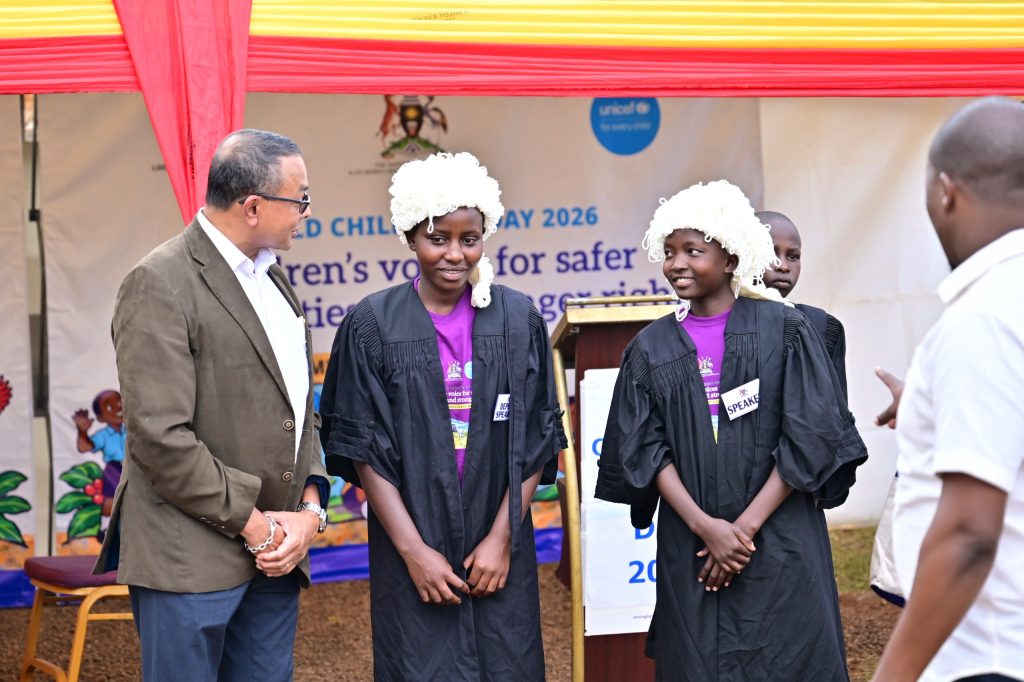 Meanwhile, children who participated in the parliament used the platform to raise concerns about challenges affecting their rights and development, including child abuse, rape, defilement, early marriage, teenage pregnancies, school dropouts and being denied access to education.
They called on government, parents, teachers and community leaders to strengthen child protection measures and ensure that children grow up in safe environments.
Speaking at the event, UNICEF Representative Dr Robin Nandy said children have a right to express their views on matters affecting their lives and deserved to be heard and taken seriously.
Nandy challenged leaders attended the parliament to listen to children’s concerns and make clear commitments on actions they would take to address the challenges raised.
“This is not a game. Thirty-seven years ago this week, leaders from almost every country in the world made a promise to children. That promise was called the Convention on the Rights of the Child,” he said.
He said the convention recognises children’s right to be heard and have their views considered whenever decisions affecting their lives are made.
Nandy particularly highlighted concerns raised by girls about FGM, teenage pregnancy and the difficulties they face in accessing education and protection.
He urged leaders, including men and boys, to take responsibility for protecting girls from violence and ensuring their safety at home, in schools and within their communities.
He also asked district leaders and other stakeholders to make specific promises to children, indicating what they would do and when they would implement the commitments.
Nandy said UNICEF would continue supporting efforts to ensure the Children’s Parliament becomes a regular and safe platform where children can engage leaders and raise issues affecting them.
The event was organised through collaboration among Kapchorwa, Kween and Bukwo districts, with support from UNICEF, ahead of World Children’s Day on November 20, under the theme “My Day. My Rights. My Future.”