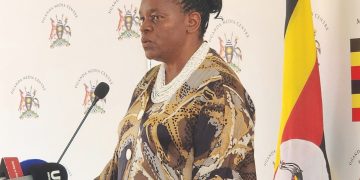



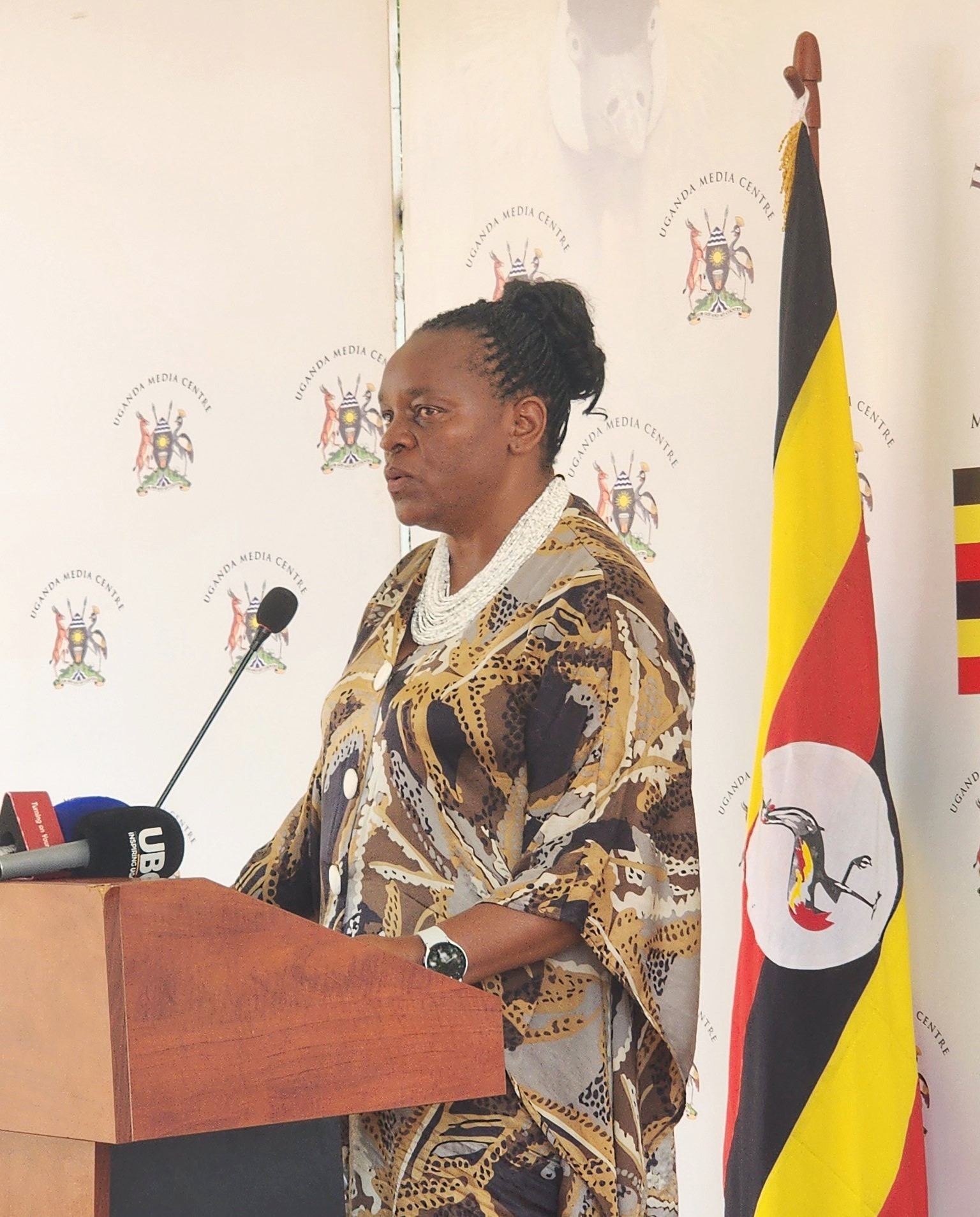
As Uganda prepares to mark International Literacy Day on September 8, the Minister of State for Gender and Cultural Affairs, Hon. Dr. Peace Regis Mutuuzo, has called for renewed national commitment to literacy, especially in the face of rapid digital transformation.
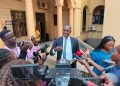
Speaking at the Uganda Media Centre, Dr. Mutuuzo emphasized the significance of this year’s global theme, “Promoting Literacy in the Digital Era”, stressing that digital literacy is now an essential life skill in the modern world. She noted that everyday tasks such as using mobile phones, navigating the internet, participating in online meetings, or making mobile money transactions all require a level of digital competence that cannot be overlooked.
“Digital literacy is no longer optional. It is a vital necessity for communication, learning, and accessing essential services,” Dr. Mutuuzo stated.
Uganda has observed International Literacy Day since 2002, and according to Dr. Mutuuzo, this ongoing dedication reflects the country’s strong belief in literacy as both a fundamental human right and a cornerstone of national development. She reaffirmed the government’s constitutional obligation under Article 30 to ensure access to education for all citizens.
While celebrating progress—including a national literacy rate of 76% as per the 2024 UBOS data—Dr. Mutuuzo acknowledged persistent challenges. She revealed that an estimated 11.9 million Ugandans, the majority of them women, remain illiterate, underscoring the urgent need for targeted interventions in adult learning and community education programs.
“Our progress is commendable, but the numbers demand action. We must address this gap by focusing on youth and adult learning if we are to achieve inclusive development,” she urged.
Dr. Mutuuzo highlighted several government interventions that have laid the groundwork for expanding literacy across Uganda. These include Universal Primary Education (UPE), introduced in 1997, which grew enrolment from 3.1 million to over 10.2 million learners within two decades. However, she admitted that high dropout rates, overcrowded classrooms, and inadequate learning materials continue to hinder the program’s effectiveness.
She also pointed to initiatives like Universal Secondary Education (USE), vocational and agricultural training institutes, and the long-running Functional Adult Literacy (FAL) program, which reached over 3.3 million learners before concluding in 2015. In her remarks, she underscored the practical impact of FAL graduates, who not only acquired basic reading and writing skills but also actively contributed to development activities in their communities.
Of particular note was the Integrated Community Learning for Wealth Creation (ICOLEW) programme, launched in 2016 with support from the German Adult Education Association. Dr. Mutuuzo described ICOLEW as a community-based, life-changing initiative that links literacy with business training and livelihoods development, all housed in Community Learning Centers at the parish level.
Building on this success, the government recently approved the nationwide scale-up of ICOLEW under a new five-year project—Support to the Implementation of Integrated Community Learning for Wealth Creation (SUICOLEW). With an investment of UGX 83 billion from FY 2025/26 to 2029/30, the programme aims to boost digital literacy and expand learning centers across Uganda. Dr. Mutuuzo emphasized that SUICOLEW aligns with national priorities including the Parish Development Model, the Fourth National Development Plan (NDP IV), and the NRM Manifesto.
“This initiative directly supports human capital development by equipping marginalized groups—especially women, youth, and persons with disabilities—with essential skills to thrive in a modern economy,” she said.
Dr. Mutuuzo also acknowledged the invaluable role played by NGOs, faith-based and community-based organizations, in supporting the literacy agenda. Organizations such as DVV International, Caritas Uganda, the Adventist Development Relief Agency, the Hunger Project, and others were commended for their efforts in implementing complementary education and development programs across the country.
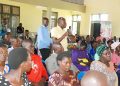
To mark International Literacy Day, Uganda will host a series of nationwide activities including literacy boot camps, symposiums, reading and writing competitions, and graduation ceremonies for adult learners. Dr. Mutuuzo said these events will highlight the success stories of Uganda’s literacy programs and encourage public involvement in advancing the cause.
She concluded by issuing a heartfelt appeal to all sectors—government institutions, development partners, civil society, religious and cultural leaders, educators, media, and local communities—to collaborate in ensuring literacy becomes a reality for every Ugandan.
“International Literacy Day is not just a symbolic event. It is a moment for us all to reaffirm our commitment to building a literate, informed, and digitally empowered Uganda. Let us bridge the gaps and build a future where literacy unlocks opportunity for every citizen,” Dr. Mutuuzo declared.
She closed her address with appreciation to Uganda’s local and international partners for their continued support in advancing the country’s literacy goals.