


KAMPALA– In a country where over 30 million citizens still lack access to safe sanitation, a new initiative has unveiled to spotlight the unsung heroes leading the charge for clean water and better sanitation and hygiene in Uganda.
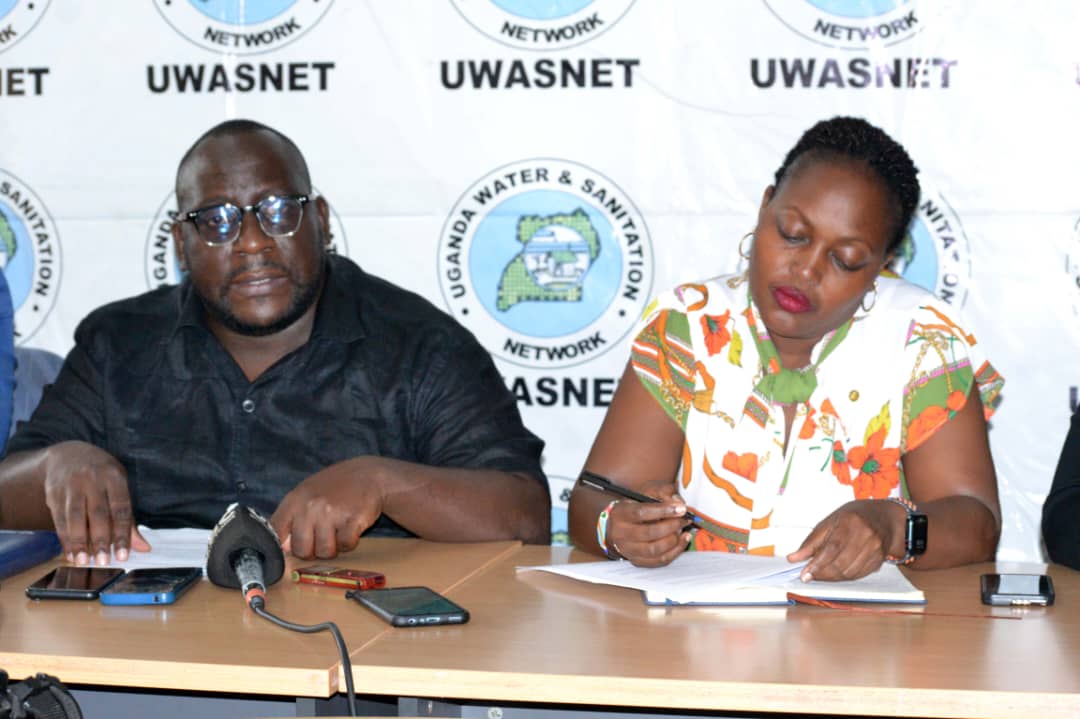
On a bright May 30, 2025, at the Uganda Water and Sanitation Network (UWASNET) offices in Luzira, government officials, civil society partners, and the media gathered to witness the unveiling of the country’s first WASH Impact and Influence Awards’ categories.
The awards, spearheaded by UWASNET in partnership with the Ministries of Water and Environment, Health, and Education and Sports, along with the Austrian Development Agency and other partners, aim to recognize the everyday champions transforming communities through water, sanitation, and hygiene (WASH) interventions.
These include media houses and individual journalists, NGOs and Community Based Organisation (CBOs), social enterprises and innovators in the water and sanitation sector including finance institutions, research institutions and individuals contributing to WASH innovation.
“Despite major strides in improving access to water and sanitation, over 30 million Ugandans still lack safely managed sanitation. Many more face water scarcity, inadequate hygiene services, and increasing climate-related risks. Addressing these gaps is essential to improving national health, education outcomes, productivity, and resilience,” Martin Kityo, UWASNET’s Liaison and Networking Officer
According to Marion Natukunda, Senior Communications Officer Thematic Lead WASH, at the Ministry of Health, about 70% of illnesses in Uganda are preventable.
She said most of them are directly linked to poor hygiene and environmental neglect.
“Good health begins at home,” she said. “It’s not enough to have clean water, our surroundings, water storage, and drainage systems must be clean too. We must shift our mindsets.”
The Ministry of Health, she says is now pushing for behavior change campaigns to encourage Ugandans to take personal responsibility for their health, from sleeping under mosquito nets to ensuring safe water storage, drinking boiled water, and keeping compounds free from breeding sites, stressing that small actions can yield major public health wins.
Awards and categories
The awards ceremony is set to take place on October 3, 2025 and honor champions in six major categories.
Among them is the Best WASH Programmatic Impact Award, dedicated to transformative initiatives that have significantly improved lives; while the young changemakers will also have their moment to shine through the Youth-led WASH Initiative Award, which highlights the innovation and passion of youth-driven projects.
Innovation takes center stage with the Best Technology Innovation Award, while the WASH Financing Award recognizes groundbreaking approaches that combine technology and finance to expand access to vital services.
The media will not be left out, exceptional journalism will be honored under the Media Excellence in WASH Reporting Award, which includes two subcategories: one for print media, and the other for electronic media, including TV, radio, and multimedia platforms.
Academic and research institutions making evidence-based contributions to the field will be acknowledged through the Research and Academia in WASH Award; and the Lifetime Achievement Award, to pay tribute to those who have devoted their careers to advancing WASH causes and left a legacy of impact and dedication with a track record of 20 years.
Nomination, when, and how to apply
The nomination process officially opened on May 30, 2025, and will run until August 15, 2025. Finalists will be announced on September 15, 2025 just weeks before the awards ceremony in October.
Anyone, be it individuals or organizations can submit a nomination. To do so, applicants must prepare a 1,000-word nomination letter that clearly outlines the nominee’s contributions and impact in the WASH sector, with evidence of their influence, legacy, and any available testimonials or supporting documents.
A diverse and experienced panel of judges will oversee the selection process. The panel will include representatives from government, academia, the UWASNET Board of Directors and Secretariat, communication specialists from NGOs and government agencies, a former Managing Editor, and a voice from the private sector.
Interested applicants are encouraged to visit the UWASNET website, where they can download the application form. Completed nominations, along with supporting materials, such as reports, photos, and testimonies, should be submitted via the designated UWASNET email or online portal before the August 15 deadline.
Shortlisted nominees will be contacted for the next steps, as the journey to celebrate the heroes of WASH continues.
The Awards were also praised by other ministries, highlighting the collaborative spirit driving WASH improvements.
Musa Birungi, a Senior Education Officer at the Ministry of Education and Sports, explained how the government supports sanitation in schools through grants for latrine construction and hygiene programs.
He emphasized the need for sustained handwashing practices to reduce disease-related school absenteeism.
Sanitation Coordinator at the Ministry of Water and Environment, Martha Naigaga shared promising statistics, 80% of villages and 67% of rural homes now have access to safe water. But she acknowledged that gaps still exist and need to be addressed urgently.
“We want a universal access to safe and clean water,” she noted
Role for the Media and the Public
They called on journalists and media platforms to amplify the WASH conversation.
“The media is not just a messenger. It’s a mirror, a magnifier, and a mobilizer,” Kityo told reporters. “We need your voices to elevate these efforts.”
As Uganda strives toward universal WASH coverage, the WASH Impact and Influence Awards serve as a beacon, recognizing not just projects, but people, who roll up their sleeves to dig wells, teach children to wash their hands, develop new technologies, and inspire change from the grassroots up.
“By changing our behavior, we can transform our communities,” Natukunda concluded, emphasizing the critical role of mindset and behavioral shifts.