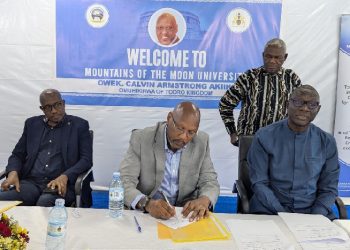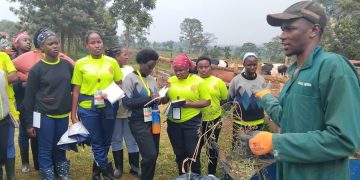



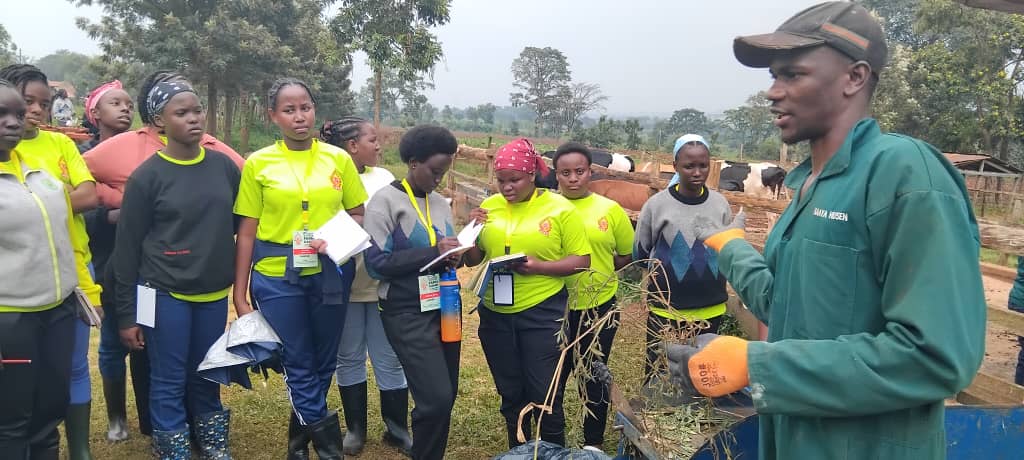
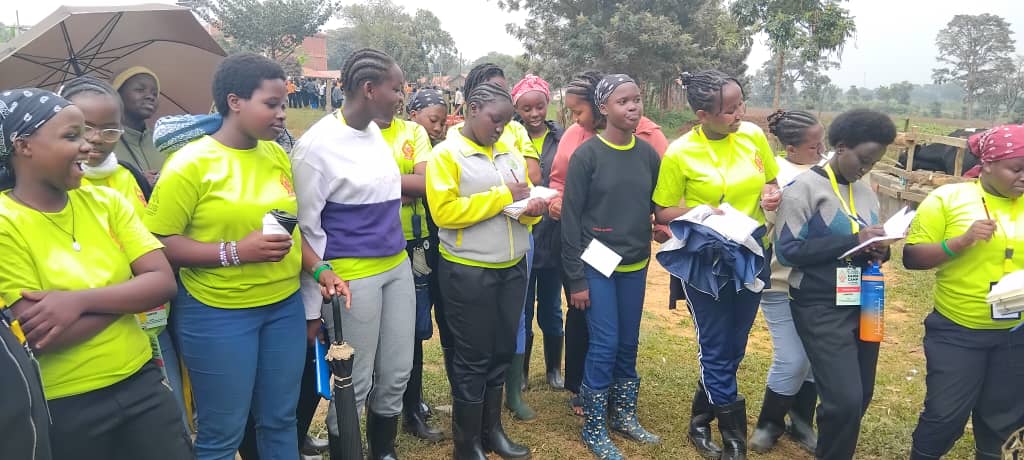
Gayaza, Uganda– The 11th edition of the Annual School Farm Camp has officially kicked off at Gayaza High School, bringing together more than 550 students from over 20 secondary schools across Uganda. The week-long event, which runs until August 27th, is centered around the theme “Skilling the Youth in Climate Smart Agriculture and Environmental Sustainability.”
The camp, a flagship initiative by Gayaza High School, has become a vital platform for reshaping the mindset of young Ugandans towards agriculture, presenting it as a viable, innovative, and lucrative career path.
 Speaking at the official launch, Ms. Robina Kizito, Head Teacher of Gayaza High School, passionately welcomed campers, teachers, and dignitaries, underscoring the evolving perception of farming among youth.
“Gone are the days when being sent to the farm meant punishment. Today, farming is a platform for innovation, creativity, and opportunity,” Ms. Kizito said. “We want students to touch the soil, interact with nature, and see agriculture not as a last resort but as a first choice.”
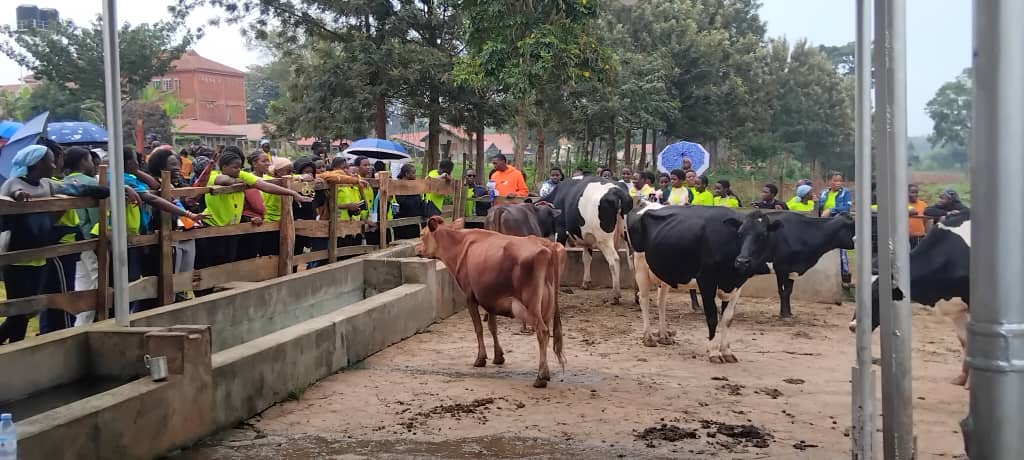
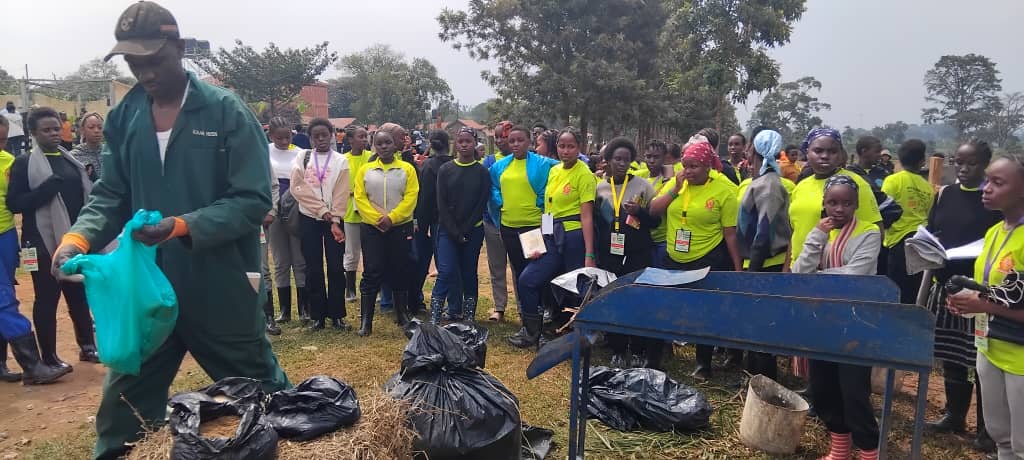 She highlighted the diversity of learning opportunities at the camp from dairy and mushroom farming to biogas production and vertical gardening. “By the end of this camp, learners will have experienced real, practical farming, and we hope these skills inspire them to bring new ideas home and perhaps pursue agriculture professionally.”
The Guest of Honour, Ms. Kathy Muhumuza, representing Hon. Dr. Monica Musenero, Minister for Science, Technology, and Innovation, challenged students to see agriculture through the lens of innovation and enterprise.
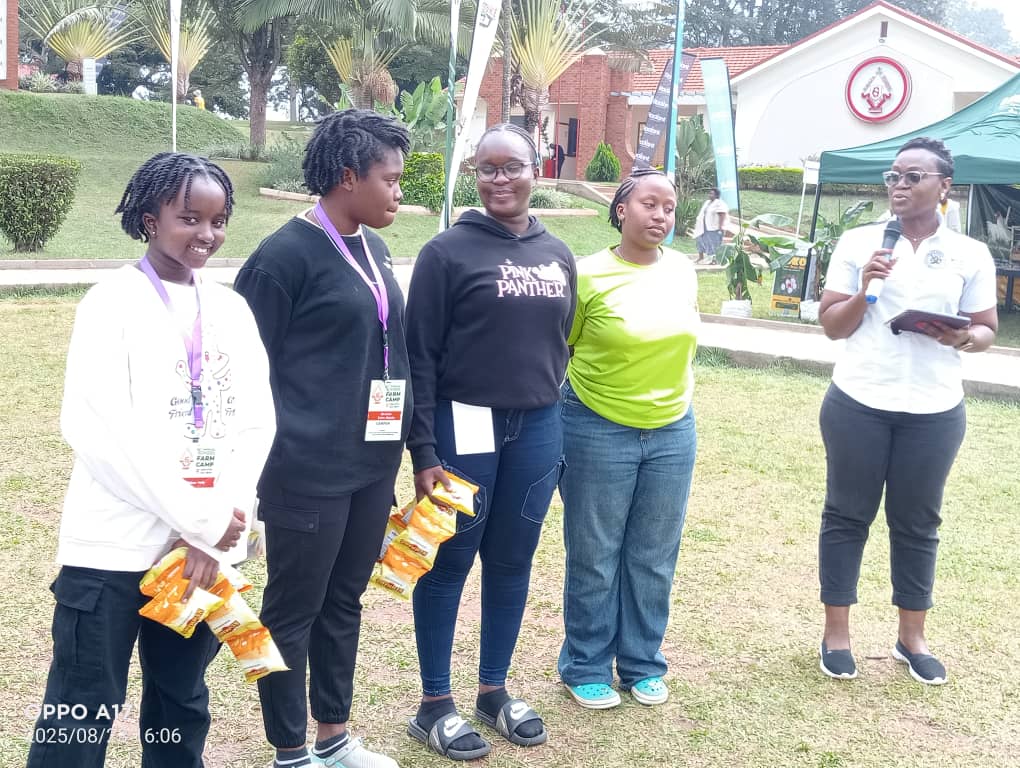
“Agriculture has been misunderstood by the youth as backward. But when you add innovation to agriculture, it becomes cool and profitable,” she stated. “From your T-shirts made from cotton, to chocolate from cocoa, to lipstick from flowers, agriculture is everywhere.”
She encouraged students to approach farming not only with their hands but also with their innovative minds, suggesting that they could be the next developers of apps, drones, or products that revolutionize agriculture.
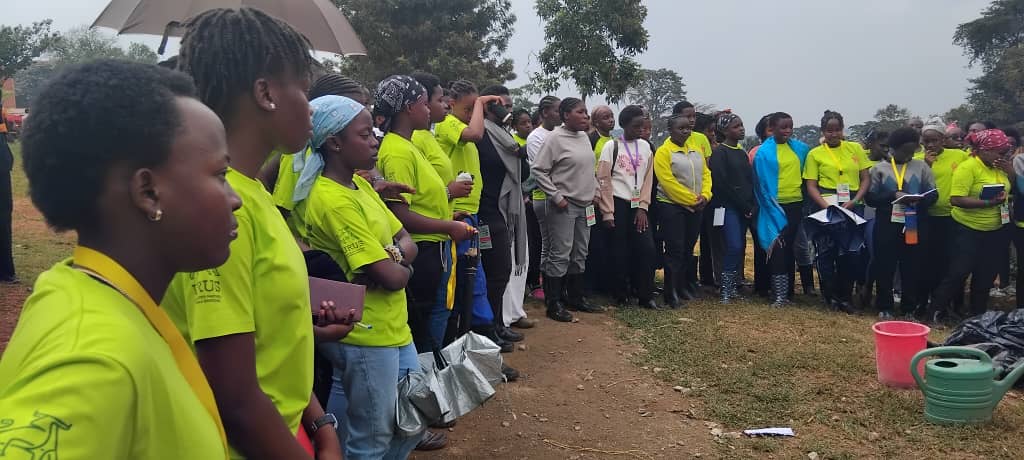 “You might not enjoy working in the soil, but maybe you’ll create the next agri-tech app or a new way to process spinach into a product that sells globally,” she added.
Practical Skills, Real Impact
Patrick Muhinda, the Farm Manager at Gayaza High School and coordinator of the farm camp, explained that this year’s program includes sessions on irrigation, urban farming, machinery use, and value addition to agricultural products such as matoke, coffee, eggs, meat, potatoes, and vegetables.
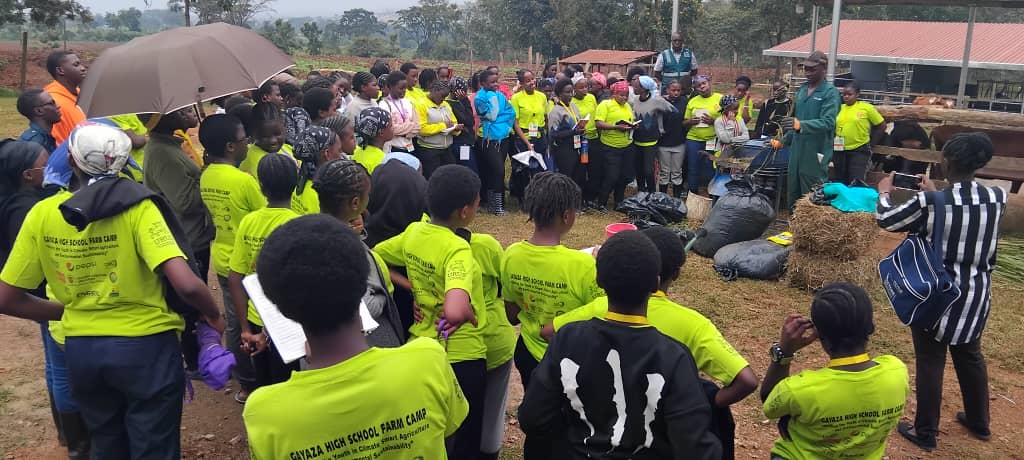 “Our focus is on building skills, not just knowledge. Students leave with the ability to raise crops, take care of animals, and add value to farm produce,” Muhinda said. “We’ve seen many students transform their perception of agriculture after previous camps, some are now running agribusinesses or helping on their family farms.”
Students Inspired to Lead Agricultural Change
Several young campers expressed their excitement about the skills they were learning and their hopes for the future.
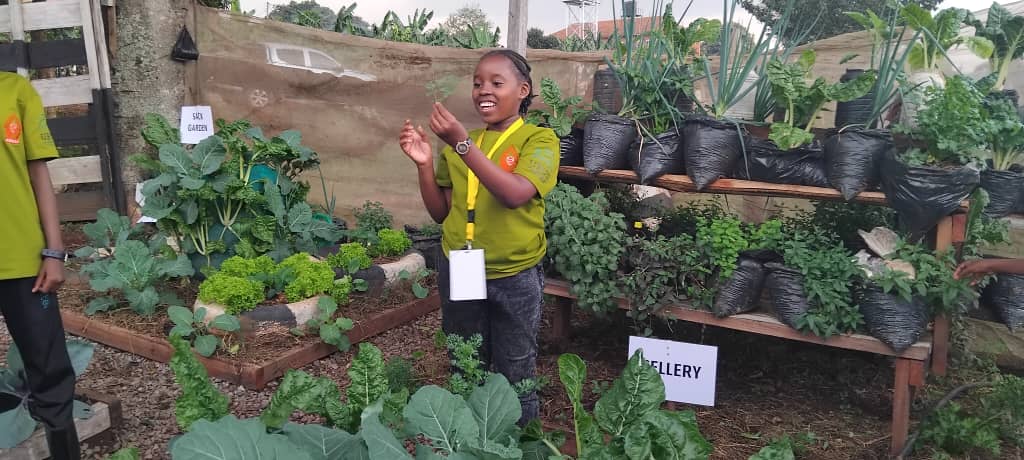
Marvel Merab Atukunda, a Senior 1 student at Gayaza Highschool, said, “I’ve learned about poultry care, mushroom farming, plantations, and how to use biogas. This knowledge is very practical—it can help me get a job in the future.”
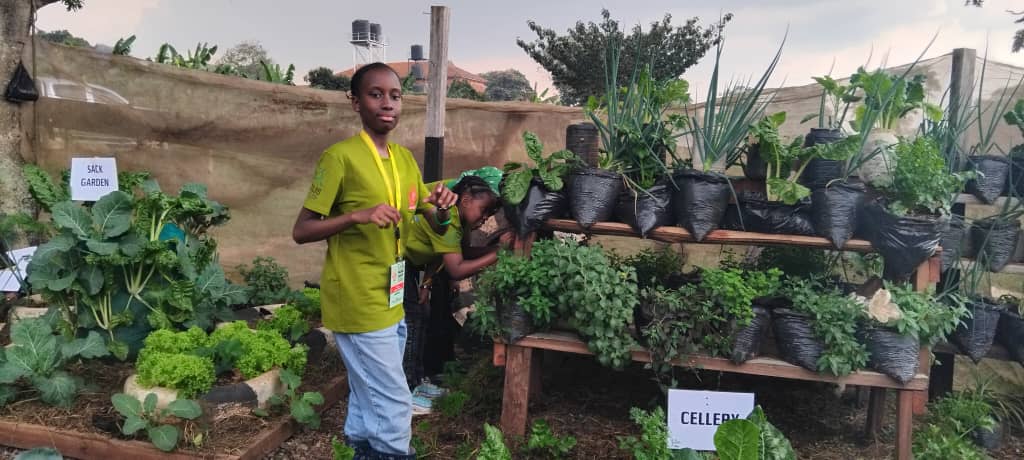
Windsor Louise Kirungi, also from Senior 1, emphasized how hands-on experiences made the lessons stick. “We learned about keeping animals, their habitats, and how to make biogas. It’s fun, but also shows us how important farming is to our future.”
Aleng Daniela and Mbeize Michelle, another students, added, “We now understand how natural food can boost immunity and keep us healthy. It’s also shown us how we can help our families eat better by growing organic food at home.”
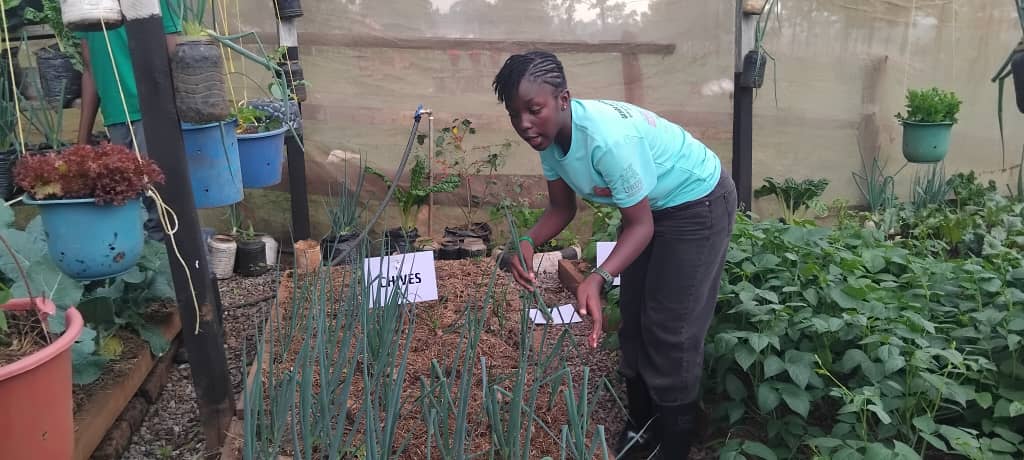
Healthier Futures through Smart, Small-Scale Farming
Joseph Kafuma, an agricultural consultant at the camp, focused on empowering students to take food safety into their own hands.
“We want students to realize that they can grow vegetables at home. That’s why we teach sack farming, vertical gardening, and other urban techniques,” he said. “Even if your backyard is paved, you can still farm.”
“We are fighting two battles: one for nutrition, and one against the stigma that agriculture is a dirty job for the poor. This camp is winning both,” he said.
 Focus on Dairy Innovation
Dr. William Kabanda from URUS Uganda, one of the facilitators, trained campers on climate-smart dairy farming. Emphasis was placed on Jersey and Girolando breeds, which are better suited for Uganda’s tropical climate.
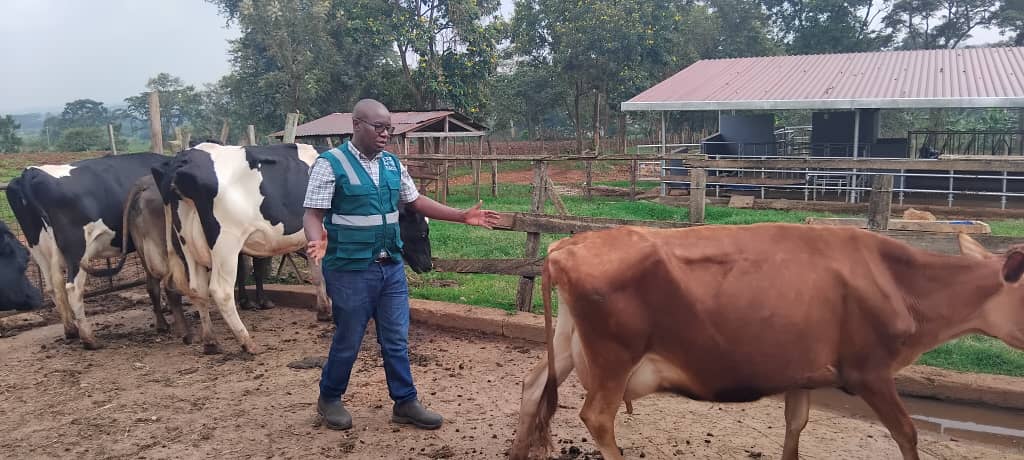
“These breeds are efficient in feed use, resilient to heat, and high milk producers. In a 50x100ft plot, a farmer can raise up to 50 Jersey cows producing up to 35 liters per cow per day,” he explained. “These cows also produce cow dung for biogas, supporting clean cooking and reducing deforestation.”
URUS, a global livestock genetics and herd management company, aims to empower farmers through innovations in breeding, nutrition, and reproductive technology.
Bridging Agriculture and Industry
Joseph Nkandu, Executive Director of NUCAFE, a long-term partner and sponsor of the camp, stressed the importance of value addition in agriculture.
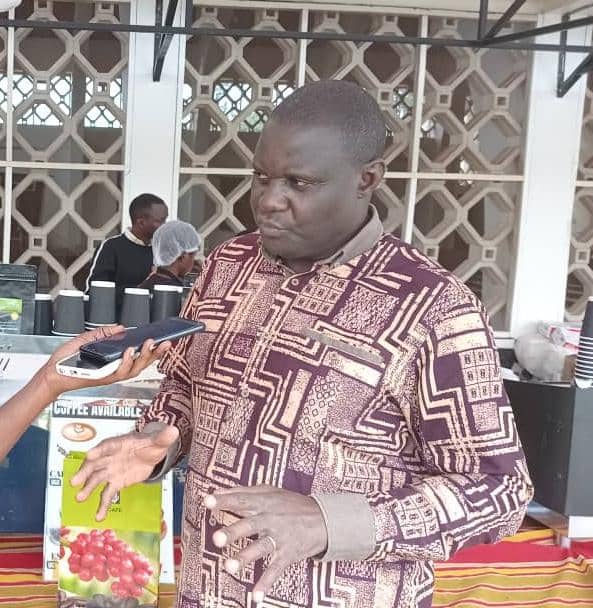
“Uganda has focused too long on primary production. Through this camp, we teach students that coffee, for example, can earn 10 times more when processed and branded,” Nkandu said. “That’s the bridge we are building between the farm and the factory.”
He revealed that campers would visit NUCAFE’s factory in Namanve to see firsthand how coffee is processed and packaged for local and international markets.
Camp Sponsors and Partners
This year’s camp has been made possible through the support of several key partners, including; NUCAFE, Movit Products, URUS, JESA Dairy, Newman among other.