


In parts of Rwenzori sub-region, changing weather patterns are forcing farmers to rethink how they use their land.
In Kasese District, some farmers are responding by bringing trees back onto their farms.
Rather than clearing land entirely for crops, they are planting trees alongside food crops, a practice known as agroforestry. For farmers participating in a tree-growing initiative supported by EcoTrust, the approach is providing environmental benefits while creating another potential source of household income through carbon credits.
Carbon credits represent a measured amount of greenhouse gas emissions reduced or removed from the atmosphere. In tree-growing projects, trees absorb and store carbon as they grow, and participating farmers can receive payments linked to the amount of carbon their trees are estimated to store.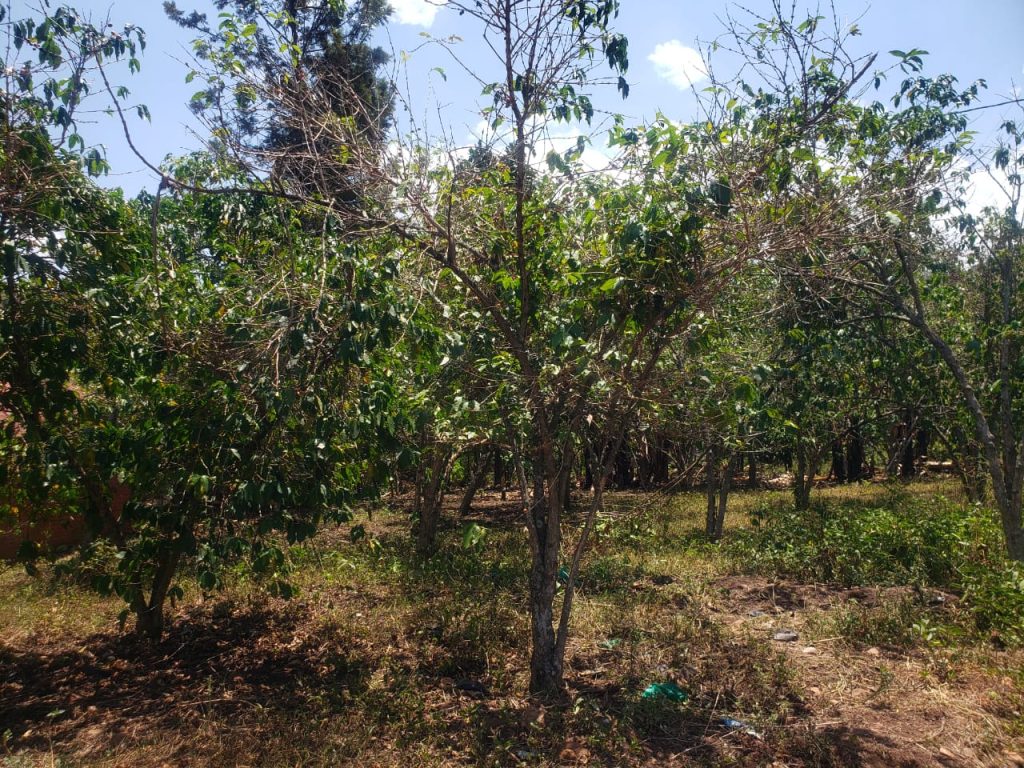 For farmers whose livelihoods depend heavily on agriculture, the question is whether combining trees with crops can help them cope with environmental pressures while also improving household incomes.
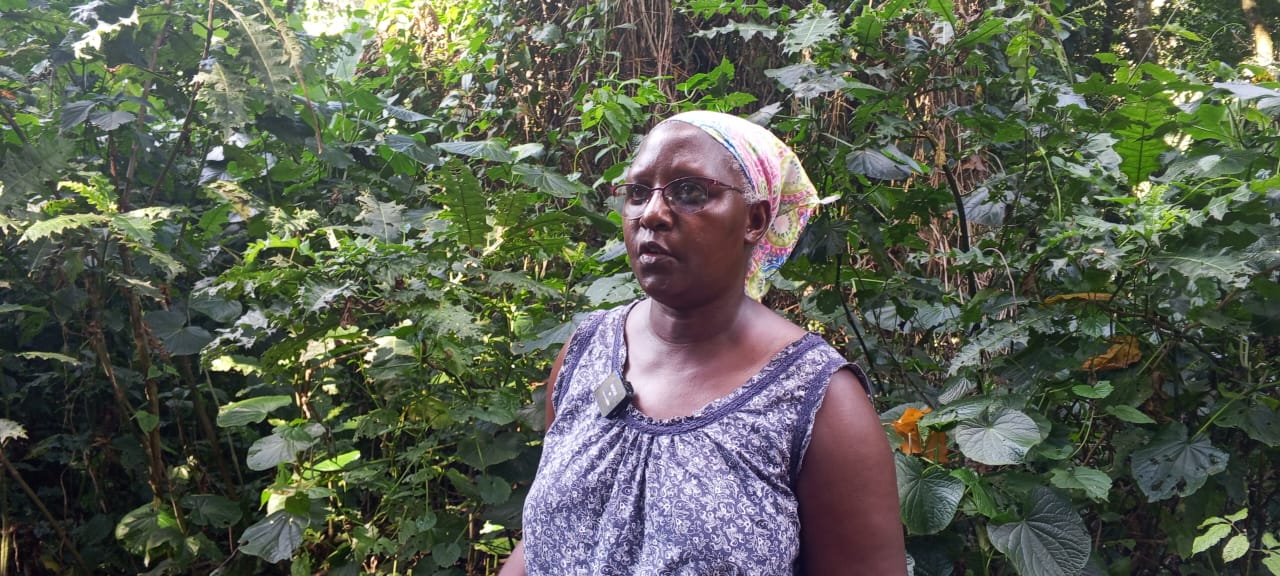
In Kogere Cell, Busumba Village in Rukooki Ward, 40-year-old Peninnah Kyakimwa is among those trying the approach.
Kyakimwa, a mother of 10, says her farm was once dry and bare, making it difficult to grow crops.
“Before the trees were introduced, the area was very dry and bare, and crops could hardly grow. Now we are able to grow crops,” she says.
She has planted trees on about two acres of land.
Beyond the changes she says she has seen on her farm, Kyakimwa says the initiative has provided her with another source of income through carbon credits. She says they have also formed savings Mifa Rukooki Farmers Association, allowing them to save, borrow and invest.
Kyakimwa says the income has helped her meet household needs, including paying school fees for her children. She also used some of the money to buy additional land, where she is growing coffee.
Her experience illustrates why agroforestry is attracting interest among farmers who have to balance the need to protect their environment with the need to earn a living from their land.
However she says termites pose a serious threat, particularly to newly planted trees. The insects can attack and destroy young trees, putting at risk the labour and resources farmers have already invested.
Kasese Senior Environmental Officer Kooli Augustin says climate change remains a major challenge for communities in the district and beyond.
“Climate change has continued to hit not only Kasese but the entire world. It is still a huge challenge,” Kooli says.
He calls for greater intervention to help communities adapt to changing weather conditions while protecting the environment.
For farmers, the need to adapt is particularly pressing because agriculture is central to their livelihoods. Yet agriculture itself can also contribute to the loss of trees when farmland expands into areas previously covered by vegetation.
EcoTrust Executive Director Pauline Nantongo Kalunda says agriculture is among the major drivers of deforestation, even as it remains the backbone of many communities in Uganda which creates a difficult balance.
Kalunda explains that farmers need land to produce food, but the continued loss of trees can contribute to environmental degradation and increase pressure on already vulnerable farming systems.
To her Agroforestry seeks to bridge that gap by putting trees and crops on the same piece of land.
Kalunda says EcoTrust has partnered with farmers to grow trees together with food crops as part of efforts to conserve the environment and address climate change.
“We have partnered with farmers to grow trees alongside their food crops to conserve the environment as mitigation to the bad gases that have destroyed the climate,” she explains.
Farmers are encouraged to plant indigenous and fruit trees alongside their crops. The arrangement allows them to continue producing food while increasing tree cover on their farms.
Through the carbon-credit component of the initiative, farmers can receive payments linked to the growth and performance of their trees. Measurements such as diameter at breast height, or DBH, are used to estimate the amount of carbon stored in the trees and determine the associated carbon-credit payments.
Kalunda says the financial incentive is intended to encourage farmers to protect and maintain the trees rather than cut them down.
Farmers are not necessarily being asked to choose between food production and conservation. Instead, trees are being incorporated into the same farms that provide food and income.
The reported benefits include improved farming conditions, additional income linked to carbon credits and support for household needs such as children’s education.
Yet the approach also has challenges.
Farmers remain dependent on rainfall and vulnerable to other agricultural and environmental pressures. Termites threaten young trees, while the long-term economic benefits of carbon credits depend on the continued survival and growth of the trees.
For farmers in the Rwenzori sub-region, agroforestry offers a way of bringing climate adaptation and livelihoods together.
Whether those gains can be sustained will depend on how well farmers are supported to protect their trees, maintain productive farms and continue benefiting from the system as climate pressures persist.
In Kasese, the trees are already changing parts of the farming landscape. The next challenge is ensuring that those changes last.