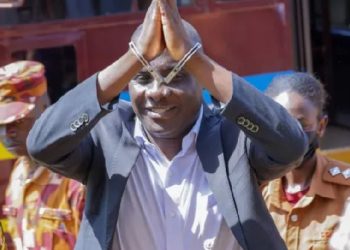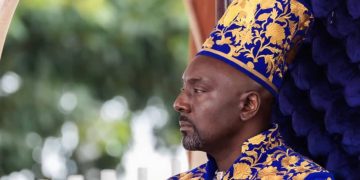



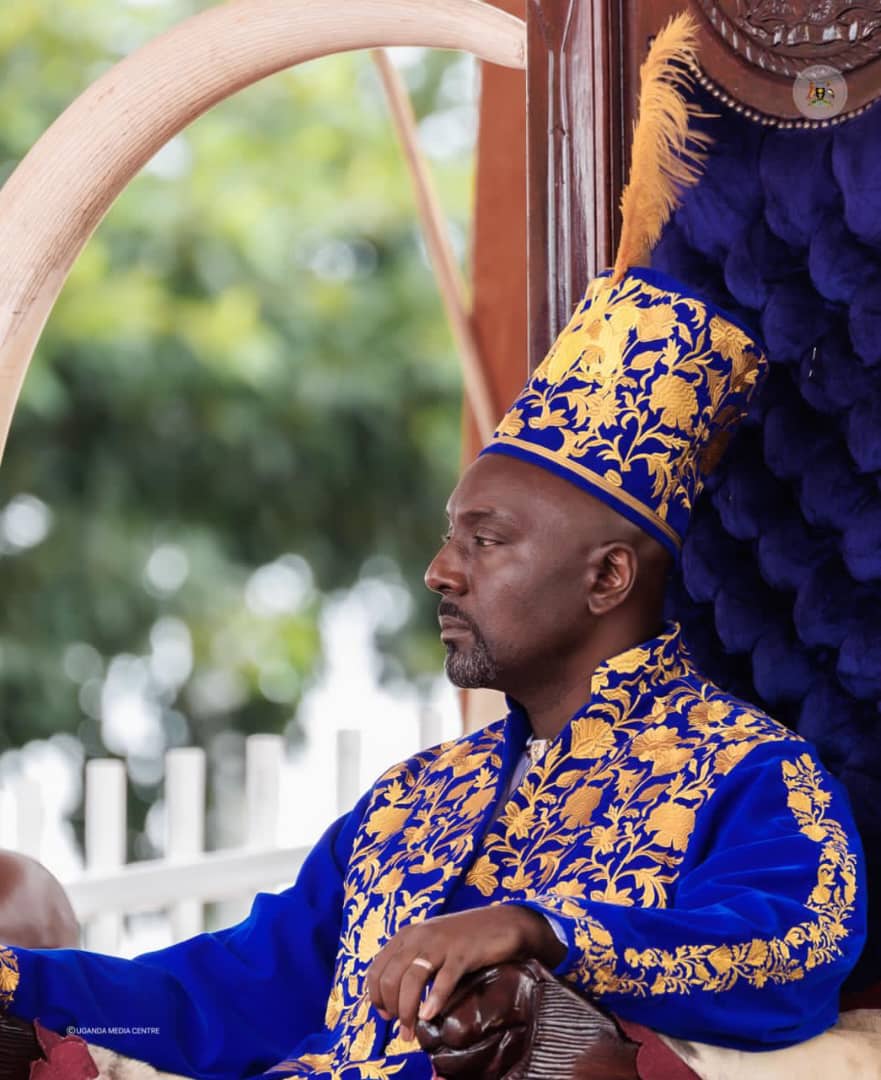
FORT PORTAL — The long-running uncertainty over who should inherit the Tooro throne has now entered a new phase, with former broadcaster Edward Rukidi Kijanangoma formally taking the royal title even as questions over the succession remain before the courts.
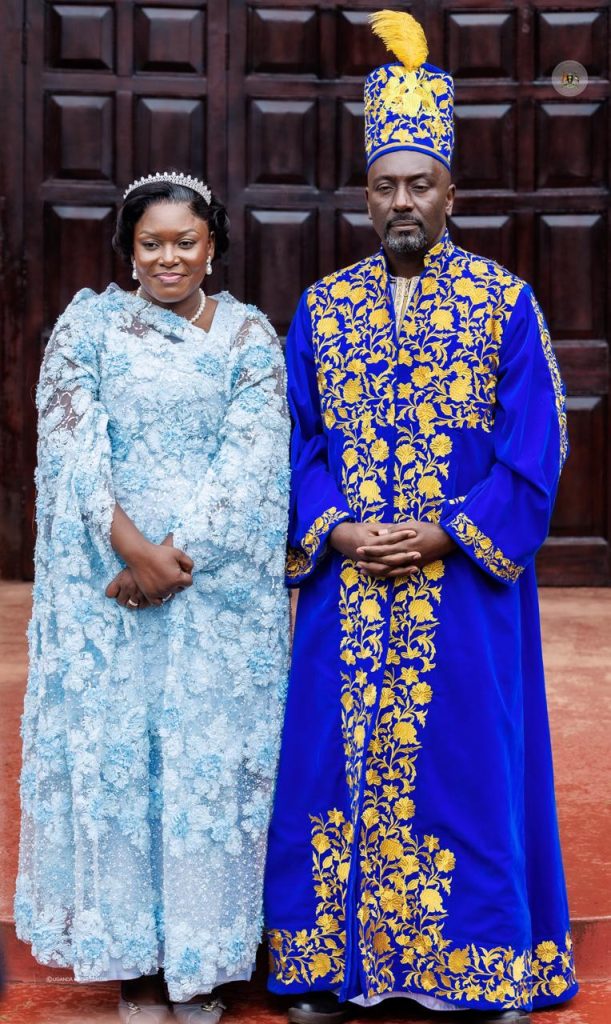
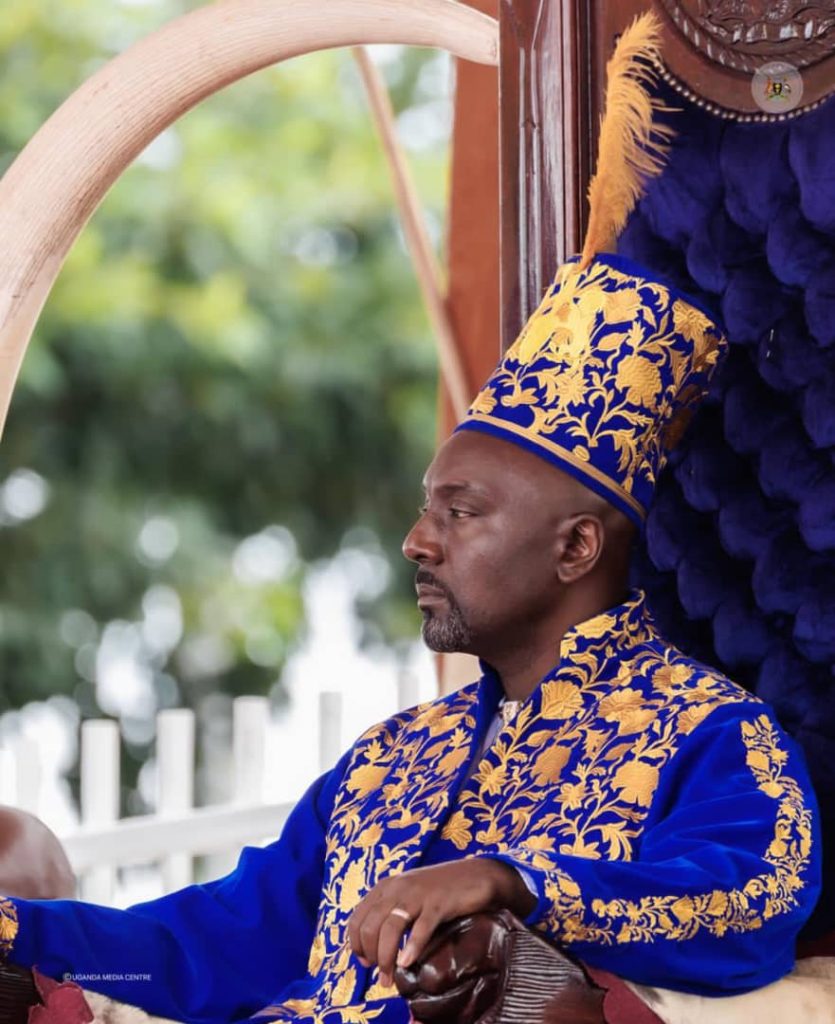
Kijanangoma was enthroned on today (September 29, 2026) as King Edward Rukidi Nyabongo I, bringing to a close weeks of disagreement within the Tooro royal establishment following the death of King Oyo Nyimba Kabamba Iguru Rukidi IV.
But the ceremony did not erase the dispute surrounding his selection. Instead, the coronation came against the backdrop of a last-minute legal challenge and competing claims over the alleged existence of a son and a will left by the late monarch.
The High Court in Fort Portal was approached on Monday by two Batooro, Derick Alitugabira and Juliet Kangume, together with Walezi Wa Katiba, a civil society organisation concerned with constitutional governance.
The applicants sought an interim order stopping the coronation until a substantive case challenging Kijanangoma’s selection could be determined. They argued that proceeding with the installation before the succession dispute was resolved could make any eventual change difficult to reverse.
At the centre of their case is an alleged will attributed to King Oyo. The applicants say the document named the late king’s son as heir and provided for another succession arrangement if the son could not take up the position. They also asked the court to require former Queen Mother Best Kemigisa to identify and produce the alleged heir.
The court challenge was the latest attempt to interrupt a succession process that had already generated considerable tension inside the royal family.
Succession announced before the mourning was over
King Oyo died on August 27 while receiving cancer treatment in the United States. He was 34 and had occupied the Tooro throne for more than three decades after becoming king at only three years old.
His death immediately reopened a question that had been dormant during his long reign: who should inherit the crown?
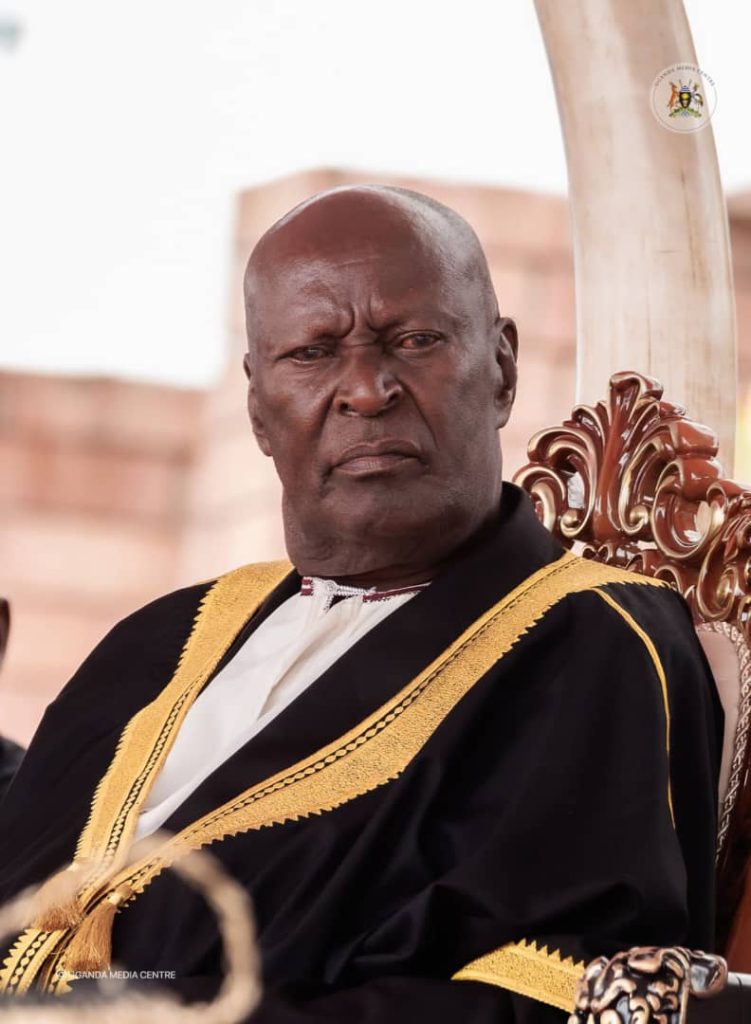
On September 9, a 21-member Babiito royal succession committee selected Kijanangoma, a cousin of Oyo and a member of another branch of the same royal family.
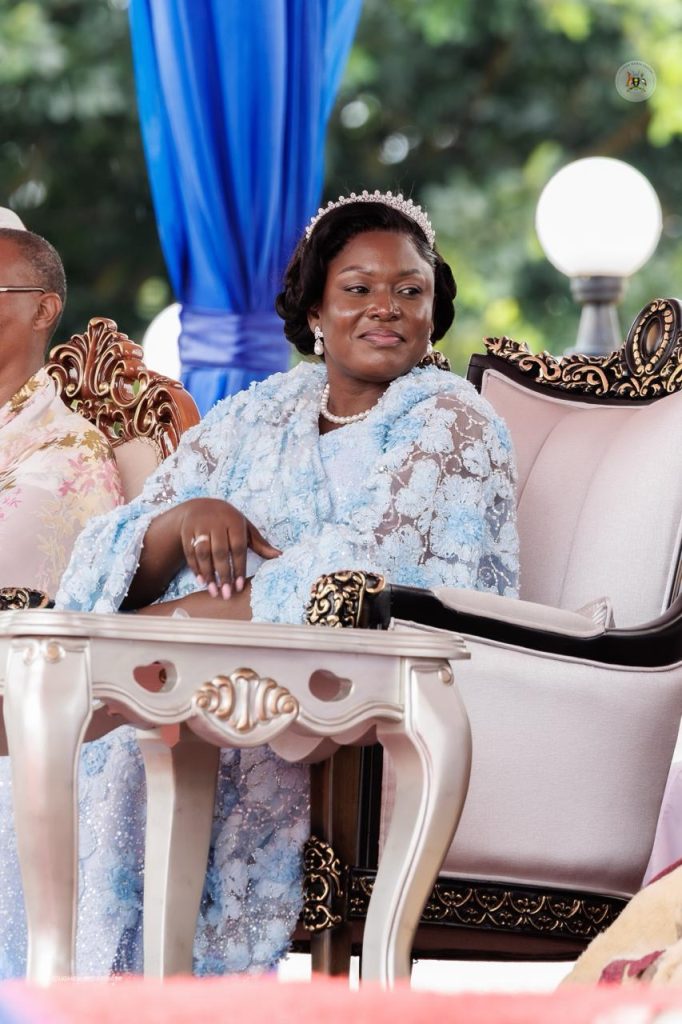
The decision was challenged by members of Oyo’s immediate family, including Queen Mother Best Kemigisa and Princesses Ruth Komuntale and Elizabeth Bagaya. They maintained that Oyo had left instructions concerning his successor and that the alleged son should be recognised.
The Babiito leadership has taken a different position. Its representatives have said that the alleged child had never been formally presented to the clan and that the succession committee followed Tooro’s customary procedure.
The disagreement became particularly sensitive because the succession debate unfolded around the period of Oyo’s burial.
Kemigisa publicly appealed for the royal family to be allowed to mourn before the question of the next king was settled. She also criticised the security situation around the palace, saying members of the family were effectively restricted while preparations for the burial were under way.
There were also questions over an agreement reportedly reached among representatives of the government, the Queen Mother, the Babiito clan and the Tooro leadership that the late king’s funeral should not become an arena for advancing the succession contest.
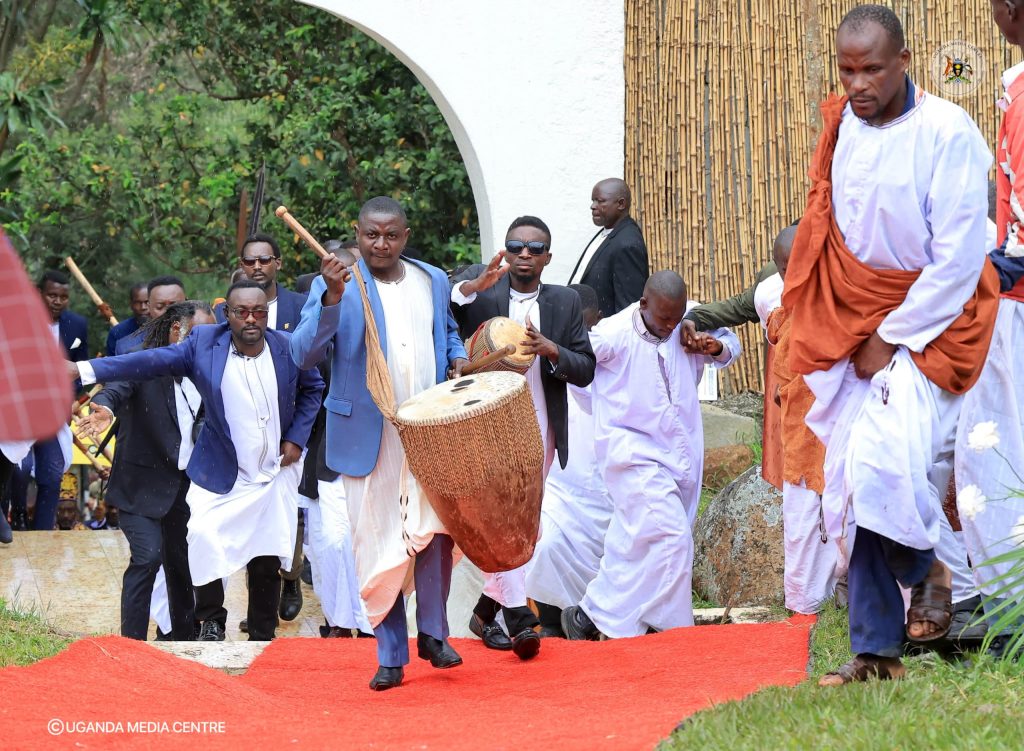
A subsequent report said the agreement was breached when Kijanangoma was declared successor around the time of the burial.
The coronation faced more than one obstacle
The September 28 court application was the most direct effort to stop Kijanangoma’s installation before it happened.
But the latest confrontation has to be understood against a longer history of disputes within the Tooro royal family.
More than a decade ago, another Kijanangoma Prince David, a relative of the late King Oyo and elder brother of the newly installed monarch, was involved in a separate confrontation over the Tooro throne.
In 2015, Prince David publicly challenged Oyo’s position and sought to present himself as an alternative king. The government subsequently ordered that activities connected to his proposed coronation be stopped. A court case followed, while President Yoweri Museveni later met members of the royal family as efforts were made to resolve the tensions.
That earlier dispute is significant because it shows that disagreement over Tooro’s succession did not begin with Oyo’s death.
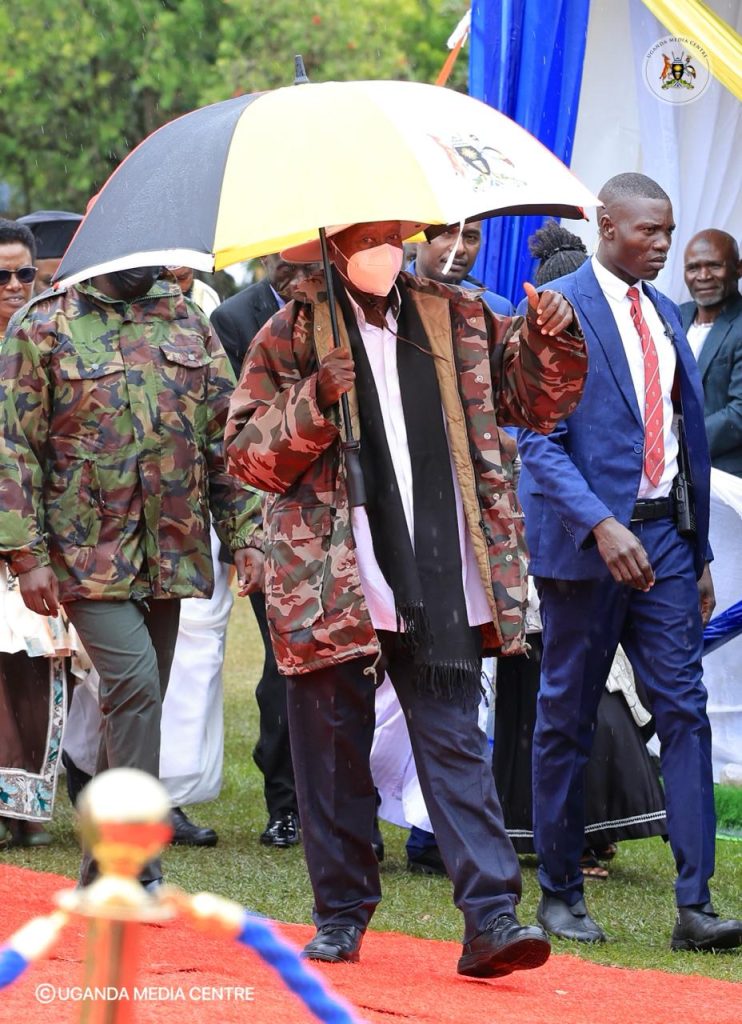
The latest crisis, however, has taken a different form. This time, the challenge has focused on the alleged wishes of the deceased king and the competing interpretation of Tooro’s customary succession rules.
Government backs the new king
As the dispute intensified, the central government increasingly made clear that it recognised the Babiito committee’s decision.
Attorney General Sam Mayanja said the kingdom could continue preparing for the coronation because, at the time of his earlier advice, no formal court challenge had been filed. He also said that if a genuine dispute existed over a will or succession, the appropriate mechanisms for resolving it would have to be followed.
The government subsequently said the customary, constitutional and statutory requirements for recognising the new Omukama had been satisfied and that the formal recognition process was being handled through the Uganda Gazette.
Chief of Defence Forces Gen Muhoozi Kainerugaba also publicly endorsed Kijanangoma and said he did not want court proceedings to delay the coronation. His intervention added another politically significant dimension to an already sensitive traditional dispute.
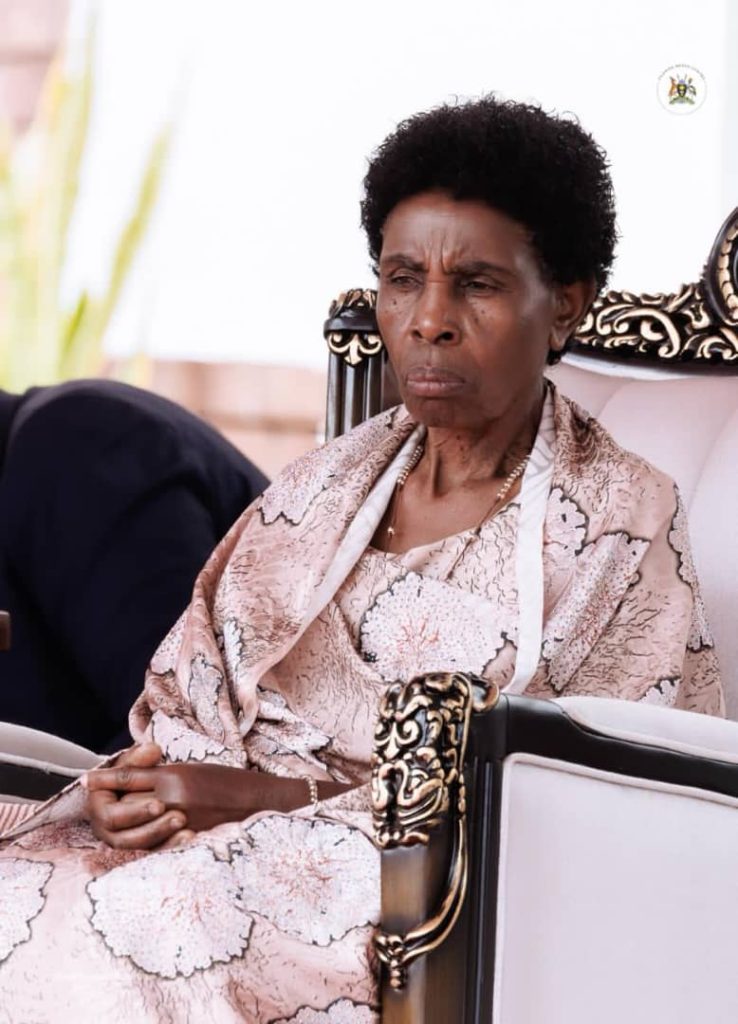
The latest court application nevertheless demonstrated that support from the kingdom leadership and government did not end the controversy.
From newsroom to royal palace
For Kijanangoma himself, the journey to the throne has been markedly different from that of his predecessor.
He spent much of his adult life working in journalism, including as a broadcaster and editor at Uganda Broadcasting Corporation. His professional career placed him in front of audiences for more than two decades, but his public identity was that of a journalist rather than a reigning royal.
His connection to the Tooro dynasty, however, runs deep. He and the late King Oyo were both descendants of former King George David Matthew Kamurasi Rukidi III, who ruled Tooro from 1928 to 1965.
The new king has said he intends to draw on the relationships built during his years in journalism to promote the interests of the people of Tooro.
That task may now begin under considerably more difficult circumstances than a conventional royal transition.
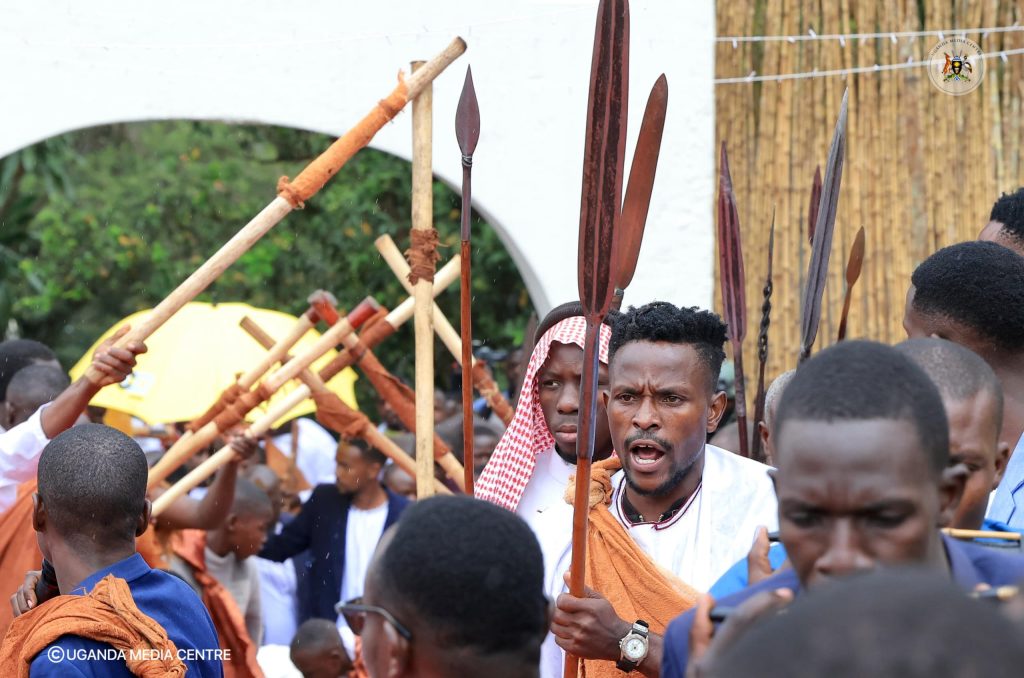
What happens after the coronation?
The immediate question is no longer whether Kijanangoma can stage a coronation, he has now done so, but whether the legal and family dispute surrounding his selection will continue.
The applicants in the Fort Portal case sought to preserve the situation pending determination of their wider challenge. Their central argument is that the alleged will and the identity of Oyo’s purported son need to be examined before the succession can be regarded as settled.
For the Babiito leadership, the position is fundamentally different: the committee that traditionally selects the Omukama has already made its decision, and the kingdom’s supreme council subsequently endorsed Kijanangoma.
That leaves Tooro with an unusual situation, a king who has now been formally enthroned, but whose accession remains the subject of a dispute involving questions of custom, family claims and the court.