KAMPALA — Feminist organisations in Uganda have rejected a government proposal to extend the income tax exemption for the Bujagali Hydropower Project, arguing that it has delivered minimal benefits to electricity consumers and instead deprived the country of much-needed revenue that could support women’s health.
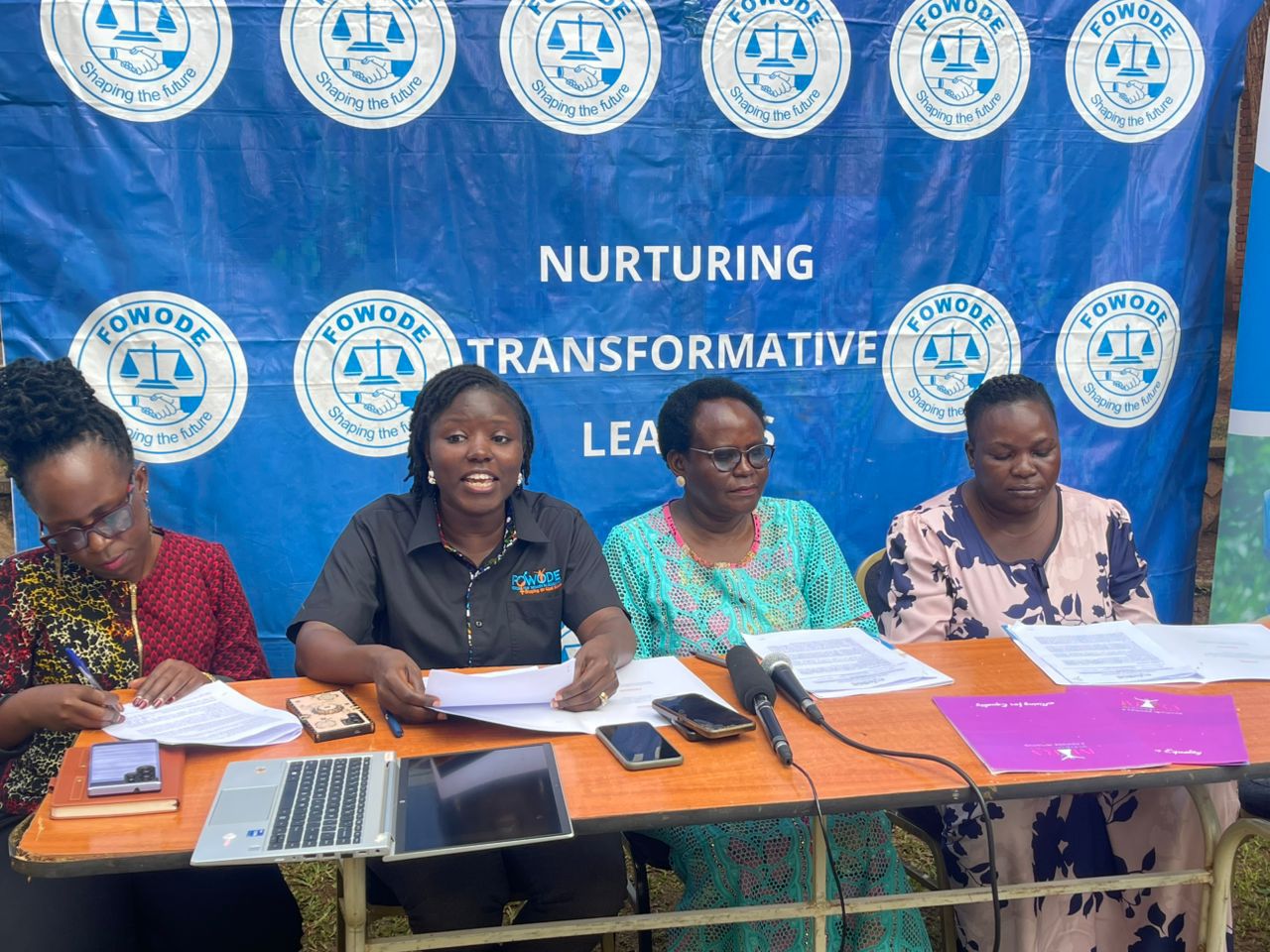
The position was outlined in a press statement issued by the Forum for Women in Democracy (FOWODE) in response to the proposed Tax Amendment Bills for the 2026/27 financial year. The organisation, together with other women’s rights advocates, is calling on government to redirect resources toward closing critical gaps in maternal health funding.
According to the statement, Uganda loses over UGX 100 billion annually through tax exemptions granted to the Bujagali project, funds that could significantly reduce the country’s maternal health financing gap, estimated at UGX 1.2 trillion.
Ms. Georgia Tumwesigye, manager women and leadership program at FOWODE, who presented the statement, said the tax holiday has not achieved its intended purpose.
“We decline the extension of the Income Tax Exemption for Bujagali Hydro Power Project because the exemption over the years has yielded only marginal benefits to electricity consumers,” she said. “These are resources that could instead be invested in addressing urgent needs like women’s health.”
FOWODE noted that despite the long-standing tax incentives, electricity tariffs have not significantly reduced, raising concerns about the effectiveness of such exemptions. At the same time, Uganda continues to face high maternal mortality rates and shortages of essential medical supplies.
The organisation further emphasized that the country is struggling with reduced donor funding, making it even more important to maximise domestic revenue.
Faith Lumonya from Public Service International echoed these concerns, calling for a shift in priorities.
“Uganda is facing a major maternal health funding gap, and the withdrawal of donor support makes the situation more urgent,” she said. “Redirecting funds from tax exemptions like Bujagali could help save lives and strengthen the health system.”
Beyond the Bujagali issue, the statement also raised broader concerns about the proposed tax measures, warning that some could disproportionately affect women. These include planned increases in fuel, sugar, and cooking oil taxes, as well as a new excise duty on all cash withdrawals.
They explained that such taxes, while aimed at raising government revenue, are likely to increase the cost of living and place a heavier burden on women, who make up the majority of low-income earners and are primarily responsible for household care and spending.
The organisation urged the government to adopt a gender-responsive approach to taxation, ensuring that revenue policies do not worsen existing inequalities. It also called for temporary relief on taxes affecting basic commodities and protections for low-income earners, especially women in informal businesses.
They concluded that while domestic revenue mobilisation is important for national development, it must be done in a way that promotes fairness and supports vulnerable groups.
“A feminist fiscal policy must prioritise equity, care, and inclusion,” the statement noted, urging the Ministry of Finance to reconsider regressive tax proposals and align policies with gender equality commitments.