



The government has intensified efforts to improve safety and legal compliance among artisanal gold miners in Namayingo District following growing concerns over the increasing number of mining-related accidents and deaths.
Officials from the Ministry of Gender, Labour and Social Development (MGLSD) and Namayingo District have called for urgent interventions to reduce workplace injuries and fatalities by strengthening occupational safety standards, enforcing mining regulations and promoting environmentally responsible mining practices.
The renewed appeal was made during the launch of a sensitisation campaign on occupational safety, legal compliance and environmental protection for artisanal and small-scale gold miners.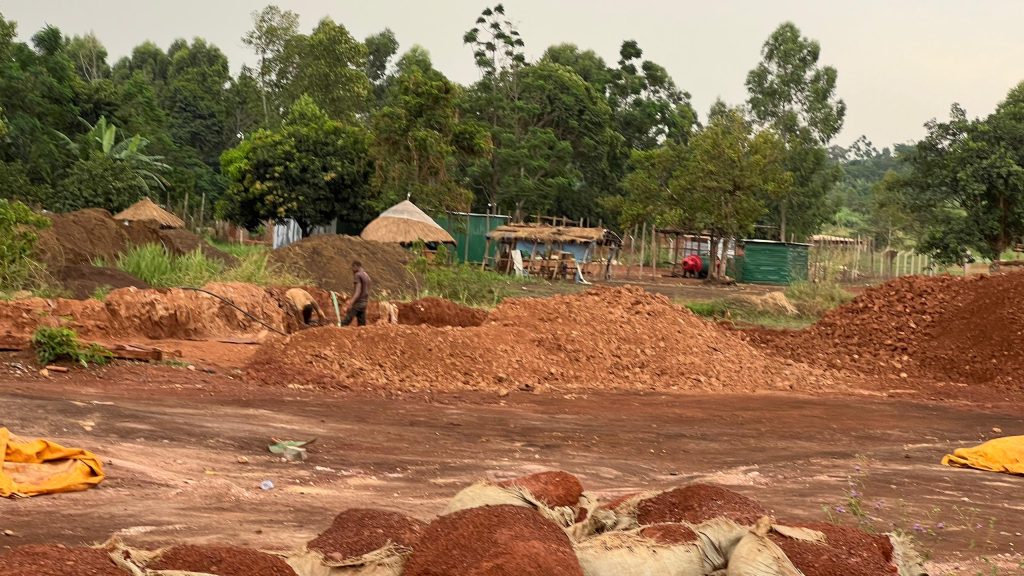 The campaign is being spearheaded by the Department of Occupational Safety and Health (DOSH) under the MGLSD.
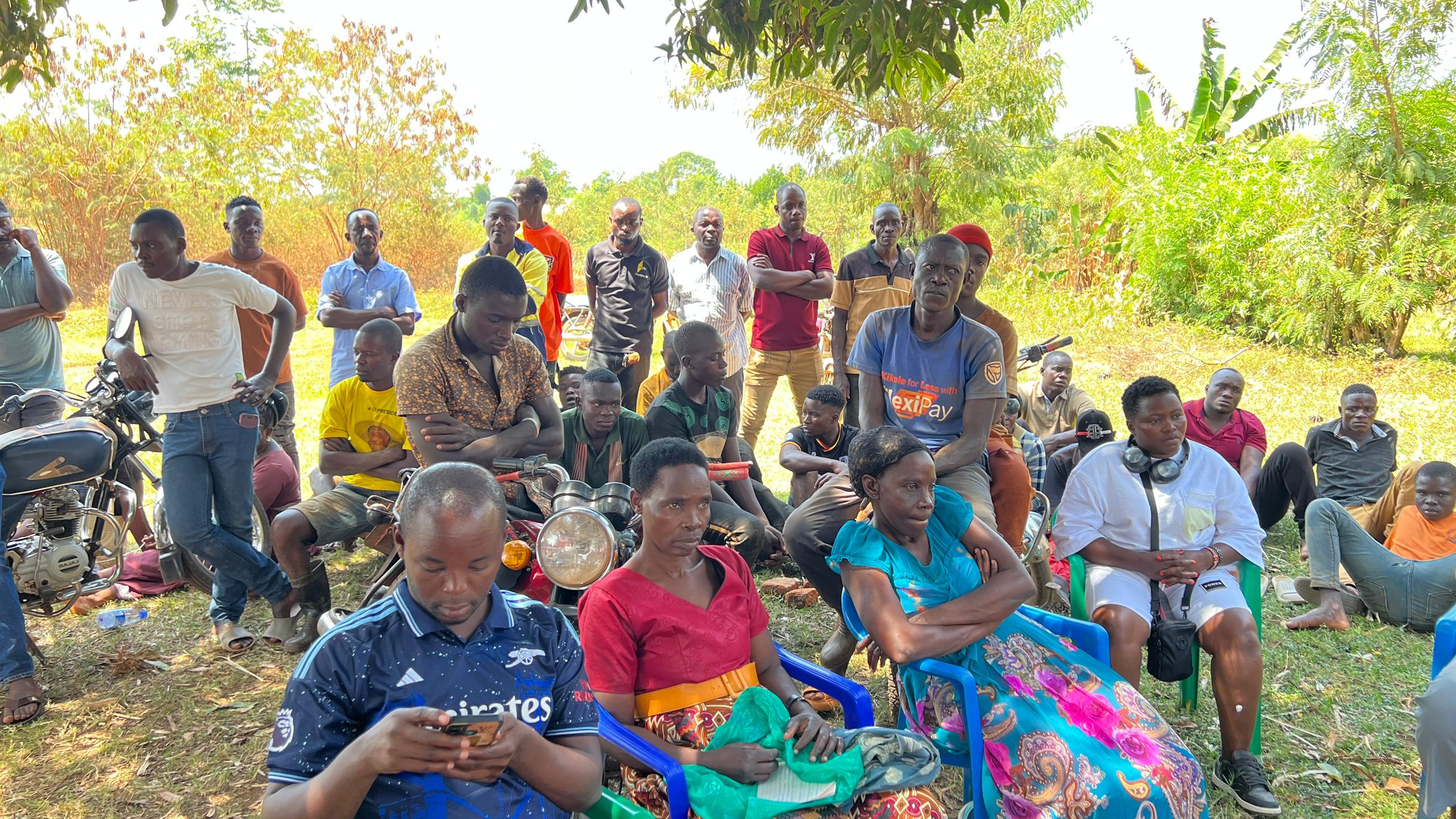
Addressing miners at Bulamba Primary School, Namayingo Deputy Resident District Commissioner (RDC) Yakuti Kalange expressed concern over deteriorating safety standards at many mining sites, noting that most miners continue to work without basic protective gear, sanitation facilities and adequate safety measures.
“Some sites are overcrowded, while others operate without latrines. Many miners do not have mechanisms to prevent accidents that could endanger their lives. As government, we have continued to sensitise the communities, but compliance remains a challenge,” Kalange said.
He also warned against the improper use of hazardous chemicals such as sodium cyanide and mercury in gold processing, saying the substances pose serious health and environmental risks when handled without proper safeguards.
Kalange further raised concern over illegal mining activities taking place near public infrastructure, particularly roads, saying some miners have excavated deep pits across road reserves, threatening the integrity of road infrastructure and increasing government maintenance costs.
Representing the Commissioner for Occupational Safety and Health, Dalton Bakisuula of the Department of Occupational Safety and Health said many artisanal miners remain exposed to hazardous working conditions, unsafe mining practices and poor handling of dangerous chemicals.
Bakisuula condemned the increasing number of abandoned and unfenced mining pits scattered across mining communities, warning that they continue to expose both miners and residents to fatal accidents. He urged pit owners to fence off open excavations and strictly comply with occupational safety standards.
“We really don’t want to continue hearing about deaths in mining centres. It is heartbreaking for someone to leave home for work in the morning only to lose their life before evening,” he said.
He also reminded miners that artisanal mining regulations prohibit excavations deeper than 10 metres, explaining that excessively deep pits significantly increase the risk of cave-ins and oxygen deficiency.
“Many mining pits exceed the recommended depth of 10 metres. Every pit should have an open exit to allow workers to escape in case of emergencies while ensuring adequate oxygen circulation,” Bakisuula added.
During the sensitisation exercise, Senior Environmental Inspector Hajarah Nakiberu of the National Environment Management Authority (NEMA) warned that the agency is preparing a crackdown on illegal mining activities in wetlands.
“I don’t see any justification for mining in wetlands. NEMA will soon intensify enforcement against illegal activities in these protected ecosystems. Wetlands are vital sources of water, and dumping mining waste into them is unacceptable,” Nakiberu said.
She reminded miners to observe mandatory wetland buffer zones and adopt proper water management systems at mining sites.
“Every mining pit should have a water reserve tank to recycle water instead of discharging it into wetlands. This is essential for protecting the environment and ensuring communities continue accessing clean and safe water,” she added.
James Peter Ouma, Chairperson of the Namayingo-Bukoma Gold Miners Cooperative Society, welcomed the government’s intervention but appealed for reforms in the Environmental and Social Impact Assessment (ESIA) process, saying a simplified licensing procedure would enable more artisanal miners operating outside the legal framework to formalise their operations.
Government officials urged miners to embrace occupational safety measures, comply with mining regulations and adopt environmentally sustainable mining practices, stressing that responsible mining will not only save lives but also protect Uganda’s natural ecosystems for future generations.
Namayingo District has experienced successive gold rushes since gold deposits were discovered in 2024, attracting thousands of artisanal miners from across Uganda and neighbouring countries in search of economic opportunities.
In October 2024, the government temporarily closed the Mpano gold mining site over environmental degradation, unsafe mining practices and illegal operations, including the widespread use of mercury and the excavation of dangerous open pits.
Despite that intervention, new mining sites have since emerged in Buyinja Sub-county and Bukana Island, attracting even larger numbers of artisanal miners.
The ongoing sensitisation campaign is expected to equip miners with knowledge on occupational health and safety, environmental conservation, lawful mining operations and workers’ rights as the government works to formalise the artisanal mining sector while reducing workplace accidents and illegal mining activities.