


BY: KABUGHO ELIAS
Uganda will no longer allocate government funds for the organisation of national public holiday celebrations such as Women’s Day, Labour Day, and Independence Day starting in the 2026/27 financial year, marking a major shift in how the state finances key national commemorations.
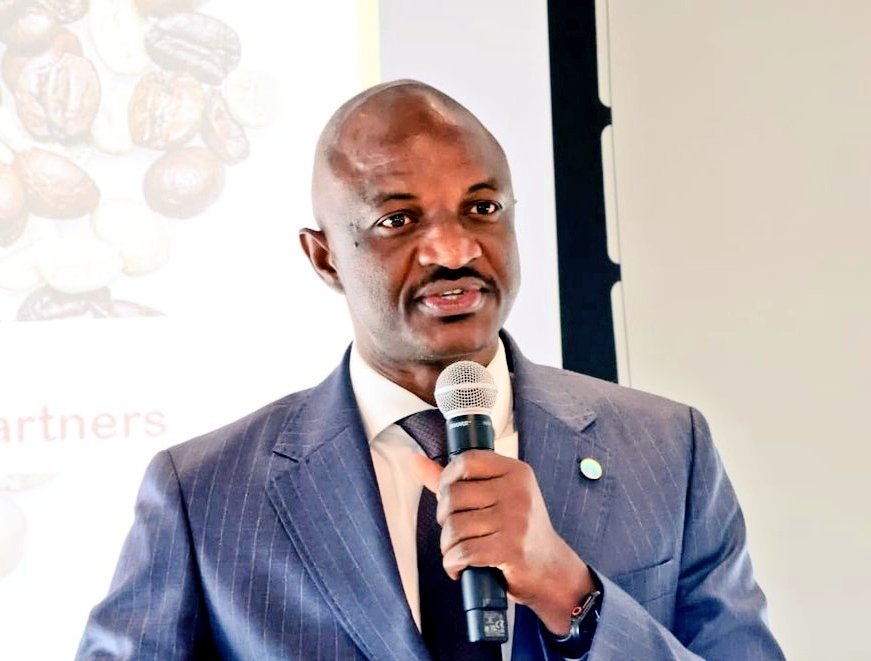
The announcement was made by the Permanent Secretary and Secretary to the Treasury, Dr Ramathan Ggoobi, who said the move is part of broader fiscal consolidation measures aimed at reducing non-essential government expenditure amid tightening budget priorities.
Dr Ggoobi said the government will redirect resources to priority sectors such as health, education, and infrastructure as part of efforts to improve efficiency in public spending.
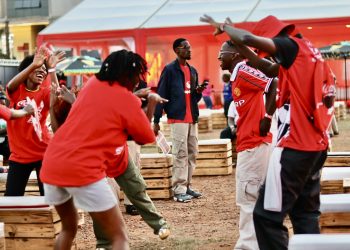
For decades, Uganda has centrally funded large-scale celebrations for key national holidays, including Independence Day, Labour Day, and International Women’s Day. These events typically feature national parades, official speeches, cultural performances, and coordinated regional celebrations across the country.
However, the events have also attracted criticism over the years due to the high costs associated with logistics, security deployment, staging, and nationwide mobilisation.
Under the new policy direction, future celebrations are expected to rely on alternative financing models, including private-sector sponsorships and partnerships with development partners. The government has not yet issued detailed implementation guidelines on how the transition will be managed.
The decision is likely to spark debate about the role of public funding in national identity celebrations, given the symbolic importance of these holidays in Uganda’s political and social calendar.
Further details are expected in the upcoming budget framework papers ahead of the 2026/27 financial year.