


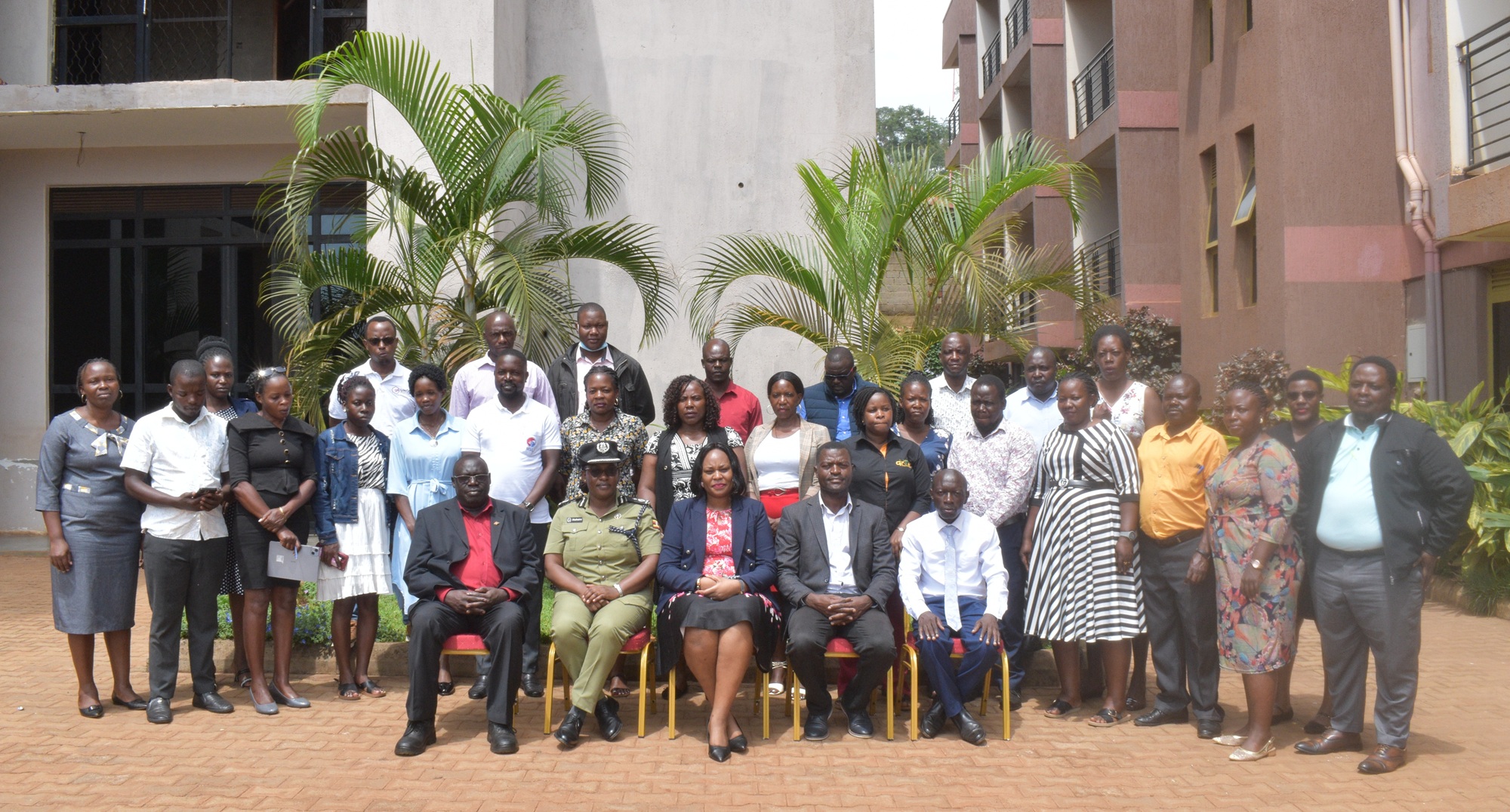
JINJA CITY, Uganda (UGNEWSLINE) –The Ministry of Gender, Labour and Social Development has concluded a stakeholders’ sensitisation meeting on the dangers of child labour, slavery and human trafficking in targeted districts of Eastern Uganda.
The meeting, held at Hotel Zeptan in Jinja City, was organised under the Ending Child Labour, Slavery and Trafficking Programme.
In his remarks, the Acting Permanent Secretary, Alex Asiimwe, said child labour continues to deny children opportunities to learn, damage their health and expose them to abuse.
“Poverty and limited livelihood opportunities increase vulnerability. Addressing these pressures requires stronger links between labour enforcement and household support. Employers remain responsible for preventing exploitation, even where families face economic hardship,” he said.
Mr Asiimwe’s remarks were delivered by Maurine Karungi, Acting Head of the Ending Child Labour, Slavery and Trafficking Section.
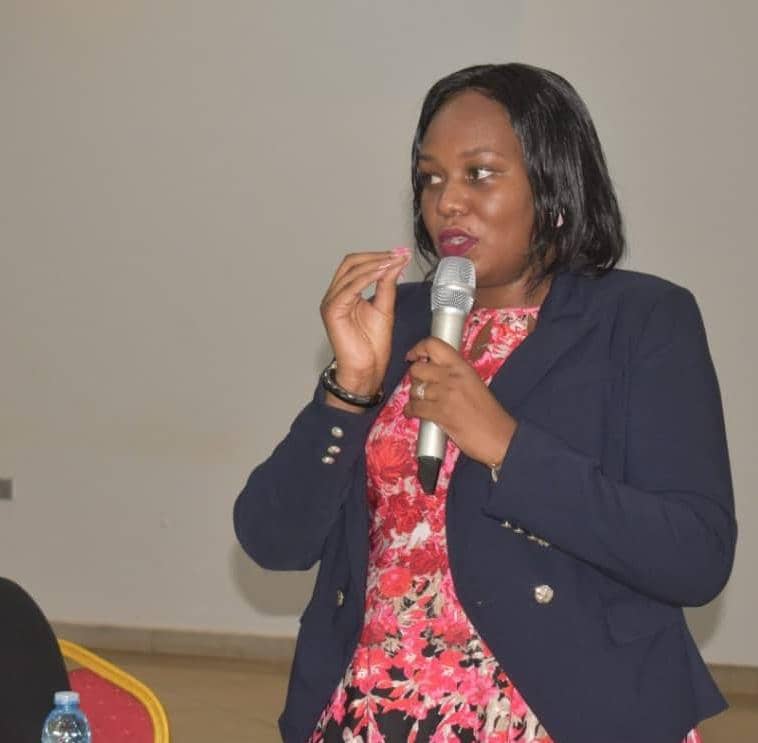
He emphasised that the government had committed funding to strengthen efforts to end child labour, modern slavery and human trafficking. He added that the investment must translate into services that reach vulnerable children and households, effective enforcement and measurable results.
The engagement aligns with Uganda’s obligations under the International Labour Organization’s Worst Forms of Child Labour Convention, 1999 (No. 182), which requires states to “take immediate and effective measures to secure the prohibition and elimination of the worst forms of child labour as a matter of urgency.”
It also supports Sustainable Development Goal Target 8.7, which calls on countries to take immediate and effective measures to eradicate forced labour, end modern slavery and human trafficking, and eliminate all forms of child labour.
At the national level, the meeting reinforces the Second National Action Plan for the Elimination of Child Labour (NAP II 2020/21–2024/25). The plan seeks to create an enabling environment for preventing child labour, protecting and rehabilitating affected children, and reducing the risk of children being pushed or drawn back into exploitative work.
The meeting also drew on the Children Act, Cap. 62, which prohibits the employment of children in activities that may harm their health, education or development, and the Prevention of Trafficking in Persons Act, Cap. 131, which criminalises human trafficking for purposes including forced labour and slavery.
Particular attention was given to agriculture, where children engaged in hazardous work may be exposed to dangerous tools, chemicals and heavy loads.
The Ministry stressed that removing children from hazardous work must be accompanied by appropriate care and support. This includes assessment, referral to relevant services, psychosocial support where necessary, and assistance to return to school or access suitable learning opportunities.
“Family engagement and follow-up are essential to reduce the risk of a return to exploitation,” Mr Asiimwe said.
Participants were urged to agree on practical measures for responsible recruitment and supplier oversight. They were also encouraged to establish clear referral mechanisms to ensure that suspected cases receive timely assistance.
In addition, stakeholders were asked to identify who would implement each commitment, set deadlines and establish how progress would be monitored and reviewed.
The meeting brought together representatives of district local governments, district labour officers, industrial associations, business leaders, companies operating in agricultural supply chains, employers’ and workers’ organisations, and other key partners.