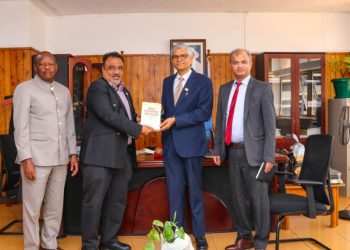



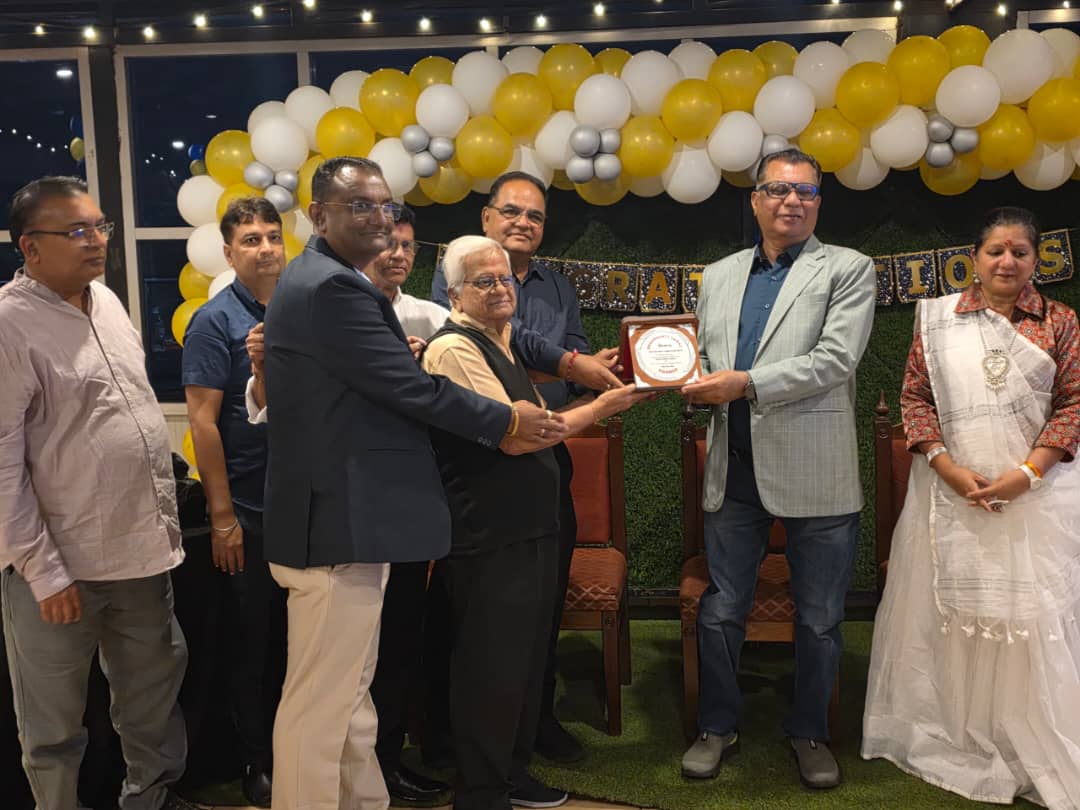
KAMPALA, Uganda — When Harshad Maganbhai Barot stepped forward to receive the Distinguished Order of the Crested Crane (Grand Officer) during the NRA Day in January 2026, it was not just a personal milestone, it was a moment that cast a spotlight on the enduring role of Uganda’s Indian diaspora in shaping the country’s economic landscape.
Awarded by Yoweri Kaguta Museveni during the 2026 NRM/A Victory Day celebrations, the honor recognizes foreign nationals who have made exceptional contributions to Uganda’s development. For many within the diaspora, Barot’s recognition symbolized a broader affirmation of their place in the country’s growth story.
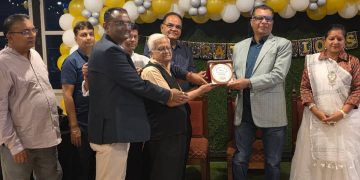
At a celebratory event organized by Bhambhatt Samaj Uganda in Kampala last week, the mood was both festive and reflective. Community members, business leaders, and families gathered not only to honor Barot, but also to celebrate a shared journey marked by resilience, enterprise, and integration.

Barot’s story resonates deeply within Uganda’s Indian community — a group with a complex history, from early settlement and economic contribution to expulsion in 1972, and eventual return in the decades that followed. Today, the community is once again a vital force in sectors such as trade, manufacturing, and real estate.
Arriving in Uganda in 1993 with just USD 150, Barot represents a newer wave of diaspora investors who have built enterprises from the ground up. His rise from a door-to-door trader to a prominent real estate developer reflects both personal determination and the opportunities that Uganda has offered to foreign investors willing to commit long-term.
Speaking on behalf of the family, Miraj Harshad Barot emphasized that the recognition extends beyond one individual.
“This honor belongs to every Ugandan of Indian origin who has worked hard to contribute to this country. It reflects the values our community stands for integrity, resilience, and commitment,” he said.
The celebration also underscored the evolving relationship between Uganda and its diaspora communities. Government efforts to attract foreign investment, coupled with policies encouraging reintegration, have created an environment where diaspora entrepreneurs can thrive while contributing to national development.
Barot’s recognition has further strengthened ties within the diaspora itself. Earlier this year, Uganda’s Sindhi community honored him with a Sindhi Pride Award, demonstrating cross-community solidarity and pride in shared achievements.
For organizers of the Bhambhatt Samaj Uganda event, the occasion was about more than recognition, it was about identity and belonging. Leaders including Chairman Sachin Brahmbhatt, alongside Nitesh and Nilesh Brahmbhatt, framed the celebration as a moment to inspire younger generations to uphold the values of hard work and community service.
Analysts note that diaspora investors like Barot play a critical role in bridging global capital and local opportunity. Beyond financial investment, they often bring international networks, business expertise, and a long-term perspective that contributes to sustainable growth.
As Uganda continues to pursue industrialization and economic transformation, the contributions of diaspora communities remain central. Barot’s journey from modest beginnings to national honor serves as a powerful example of how migration, when coupled with opportunity and determination, can drive both personal success and national progress.
In celebrating one man’s achievement, the Bhambhatt Samaj Uganda event ultimately told a larger story of a community deeply rooted in Uganda, and a nation that continues to be shaped by those who choose to build their futures within it.