



KAMPALA, Uganda : The Federation of Small and Medium-Sized Enterprises (FSME) has called for an immediate and temporary halt to the ongoing demolition of micro, small, and medium enterprise (MSME) workspaces across Uganda, citing lack of consultation, unclear objectives, and severe economic consequences.
The appeal follows a nationwide enforcement campaign that began in February 2026, initially targeting street vendors in Kampala but later expanding countrywide under a “trade order” directive issued on March 10 by the Ministry of Local Government.
Speaking to journalists today, the Federation’s President, John Walugembe Kakungulu criticized the manner in which the operations have been implemented, arguing that authorities are using disorderly and unlawful means to enforce order. “We are not opposed to trade order. Everyone wants order. But you can’t use disorder to enforce order,” he said, emphasizing that demolitions have often occurred without due process, clear guidelines, or prior notice to affected businesses.
The enforcement drive was initially justified by authorities as necessary to restore order in urban areas, particularly in Kampala, where vendors had occupied pedestrian walkways, road reserves, and other public spaces, causing congestion and blocking access to buildings. However, FSME argues that while these concerns are valid, the implementation has deviated significantly from the original intent. Instead of focusing on cleaning and organizing trade spaces, local authorities have reportedly resorted to widespread demolitions of kiosks, stalls, and containers, many of which belonged to licensed businesses.
According to the Federation, the directive issued to local governments outlined measures such as cleaning marketplaces, removing campaign posters, and enhancing public awareness. However, what has unfolded on the ground has been described as a “rampage” of demolitions, often targeting both illegal vendors and legally licensed businesses operating in unapproved structures. This, FSME says, reflects a fundamental lack of clarity on whether the operation is aimed at enforcing trade licensing, urban planning regulations, or clearing road reserves.
The economic toll of the operations has been significant. A rapid survey conducted by the Federation covering 13,567 businesses revealed that 93% of MSMEs affected have lost their workspaces, with many forced to halt operations entirely. Additionally, 88% reported destruction or confiscation of their stalls, while 79% lost contact with customers, leading to sharp declines in revenue. The situation is further compounded by the lack of alternative workspaces, with 68% of respondents indicating they have nowhere to relocate.
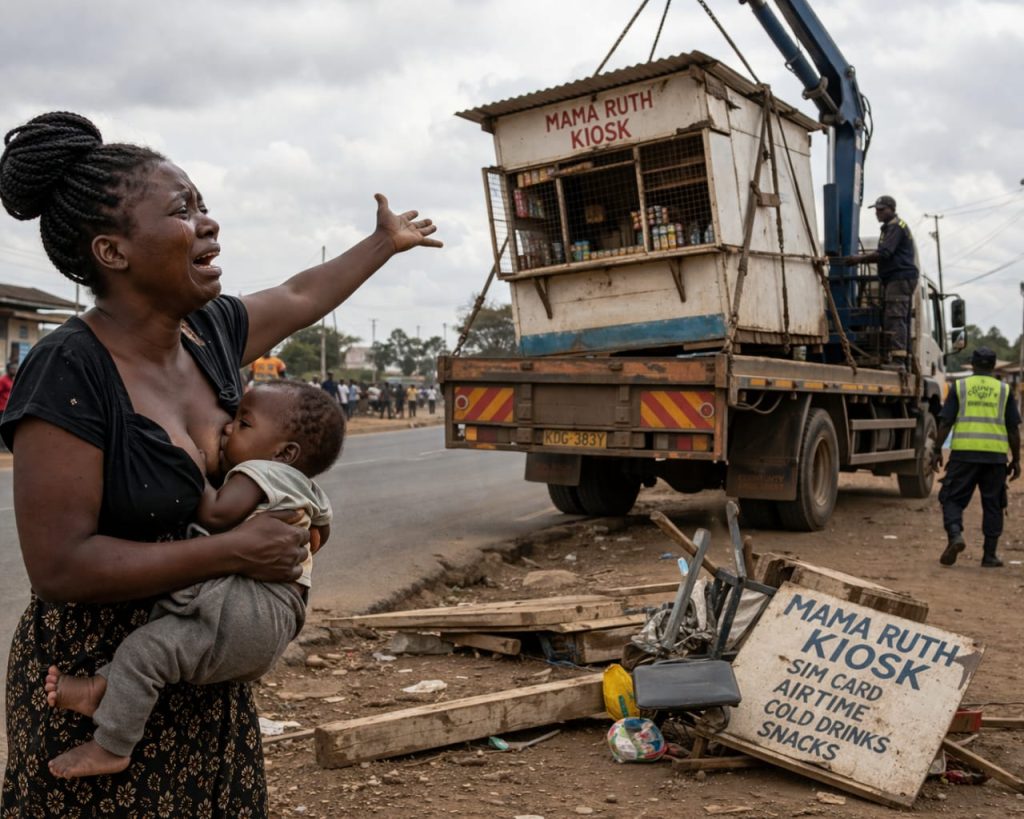
Kakungulu highlighted the structural challenges that have driven many businesses to operate in informal spaces in the first place. “Uganda has a shortage of working spaces. These entrepreneurs are not on road reserves by choice, they are there because there are no alternatives,” he explained. He added that many traders had taken loans to establish their businesses, only to see their investments destroyed without compensation or relocation support.
The Federation also raised legal concerns, noting that demolitions are being carried out in the absence of clear regulations under the recently amended Building Control Act. In many cases, proper procedures such as issuing notices, obtaining demolition permits, and ensuring safety measures have not been followed. Reports of exposed live wires, damaged water pipes, and hazardous debris have further heightened concerns about public safety.
Beyond immediate financial losses, FSME warns of broader socio-economic implications. The majority of affected entrepreneurs are women and youth, many of whom rely on these businesses for basic needs such as school fees, healthcare, and daily sustenance. The sudden loss of livelihoods, coupled with harsh enforcement tactics, has led to psychological distress and increased vulnerability. The Federation cautions that rising unemployment could contribute to increased crime and insecurity if not urgently addressed.
While acknowledging that some businesses operate outside the law, the Federation maintains that enforcement must be humane, lawful, and consultative. “You cannot license a business and then turn around and call it illegal,” Kakungulu noted, pointing to contradictions in how local authorities have handled licensed traders.
FSME is now urging the government to pause the demolitions and engage stakeholders in developing clear, phased, and inclusive strategies. Key recommendations include establishing trade order plans at the local level, conducting extensive public awareness campaigns, and investing in alternative workspaces beyond traditional markets to accommodate diverse business needs.
In conclusion, the Federation insists that Uganda’s largely informal economy cannot be formalized through force. Instead, it calls for a supportive approach that addresses underlying challenges such as access to capital, affordable workspaces, and regulatory bottlenecks. “Government should be a facilitator, not a destroyer,” Kakungulu emphasized.
Summary:
The Federation of SMEs has urged the Ugandan government to halt ongoing demolitions of MSME workspaces, citing lack of consultation, unclear objectives, and unlawful enforcement practices. A nationwide survey shows massive business disruption, with most traders losing workspaces, assets, and customers. The Federation argues that while trade order is necessary, its implementation has been disorganized and harmful, especially to women and youth. It calls for a consultative, phased approach with clear strategies and alternative workspaces. Ultimately, FSME stresses that sustainable formalization of the informal economy requires support, not force.