


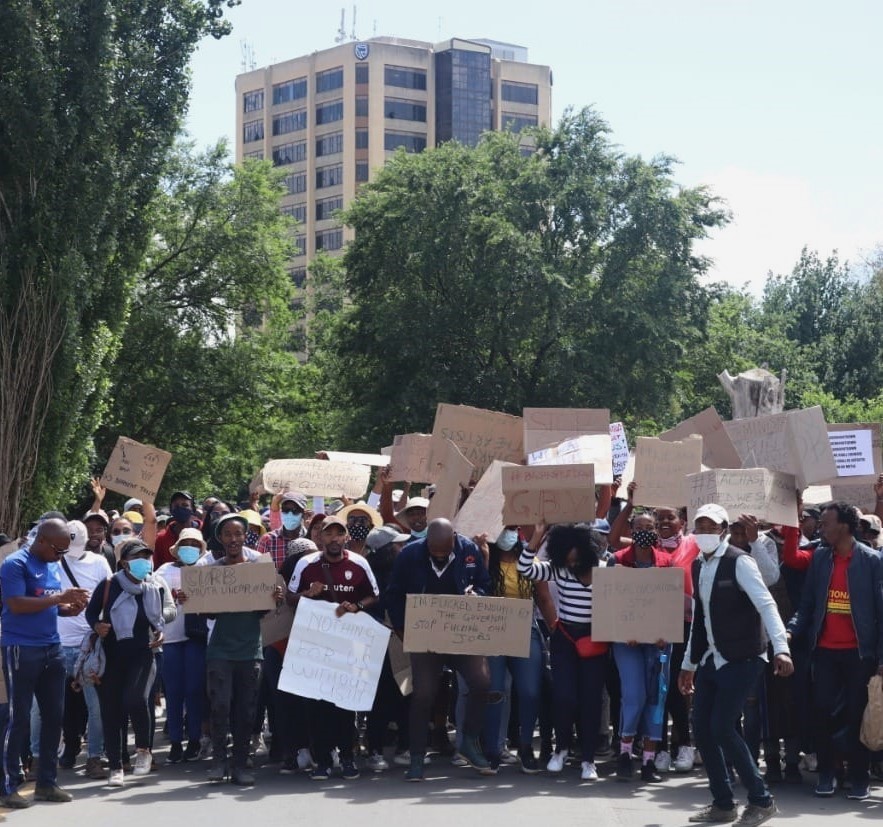
Lesotho has declared a national state of disaster amid deepening youth unemployment and economic strain, largely driven by uncertainty over US tariffs and trade access.
The small, landlocked nation, highly dependent on textile exports, was hit with a 50% tariff in April under a policy announced by former US President Donald Trump. According to reports, though the tariff has since been paused, Lesotho’s goods still face a 10% tax, sparking fears of mass job losses.
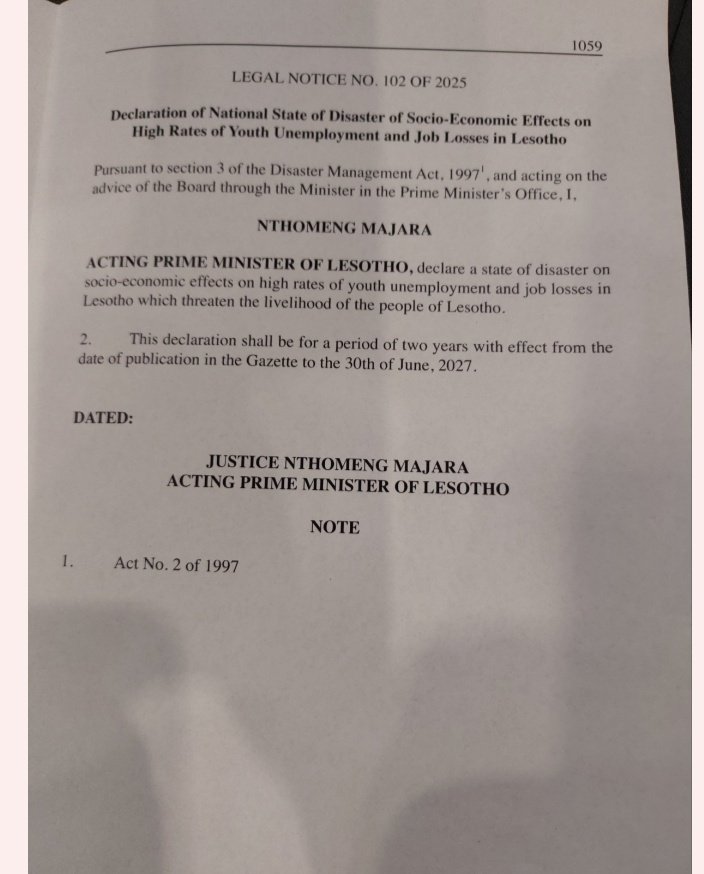
Deputy Prime Minister Nthomeng Majara said the state of disaster, effective until 30 June 2027, will allow the government to redirect funds to urgent economic recovery and youth employment programs. Early measures include waiving registration fees for small and medium-sized businesses.
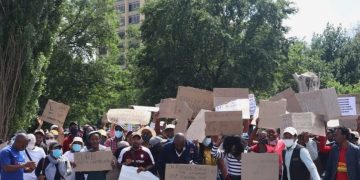
Lesotho’s unemployment rate stands at 30%, but youth joblessness is nearly 50%, according to official figures. The government warns that 40,000 jobs could be lost if the African Growth and Opportunity Act (Agoa) is not renewed by its September deadline.
Agoa has been a lifeline for Lesotho’s economy, enabling duty-free exports of textiles and garments to the US. In 2024, trade between the two countries totaled $240 million, mostly Lesotho’s exports.
But US buyers are pulling back, fearing instability. “They’re not placing orders because they don’t know what will happen,” Trade Minister Mokhethi Shelile said recently.
Lesotho is also reeling from the global scale-down of US foreign aid, including the end of critical USAID and Pepfar programs that supported health and development initiatives.
This is the second state of disaster Lesotho has declared in less than a year. An earlier one, lasting eight months, was due to severe food insecurity that left nearly 700,000 people facing hunger after prolonged drought.
Critics argue the crisis has been building for over a year, and that urgent global support is needed to avert a deeper economic and humanitarian fallout.