


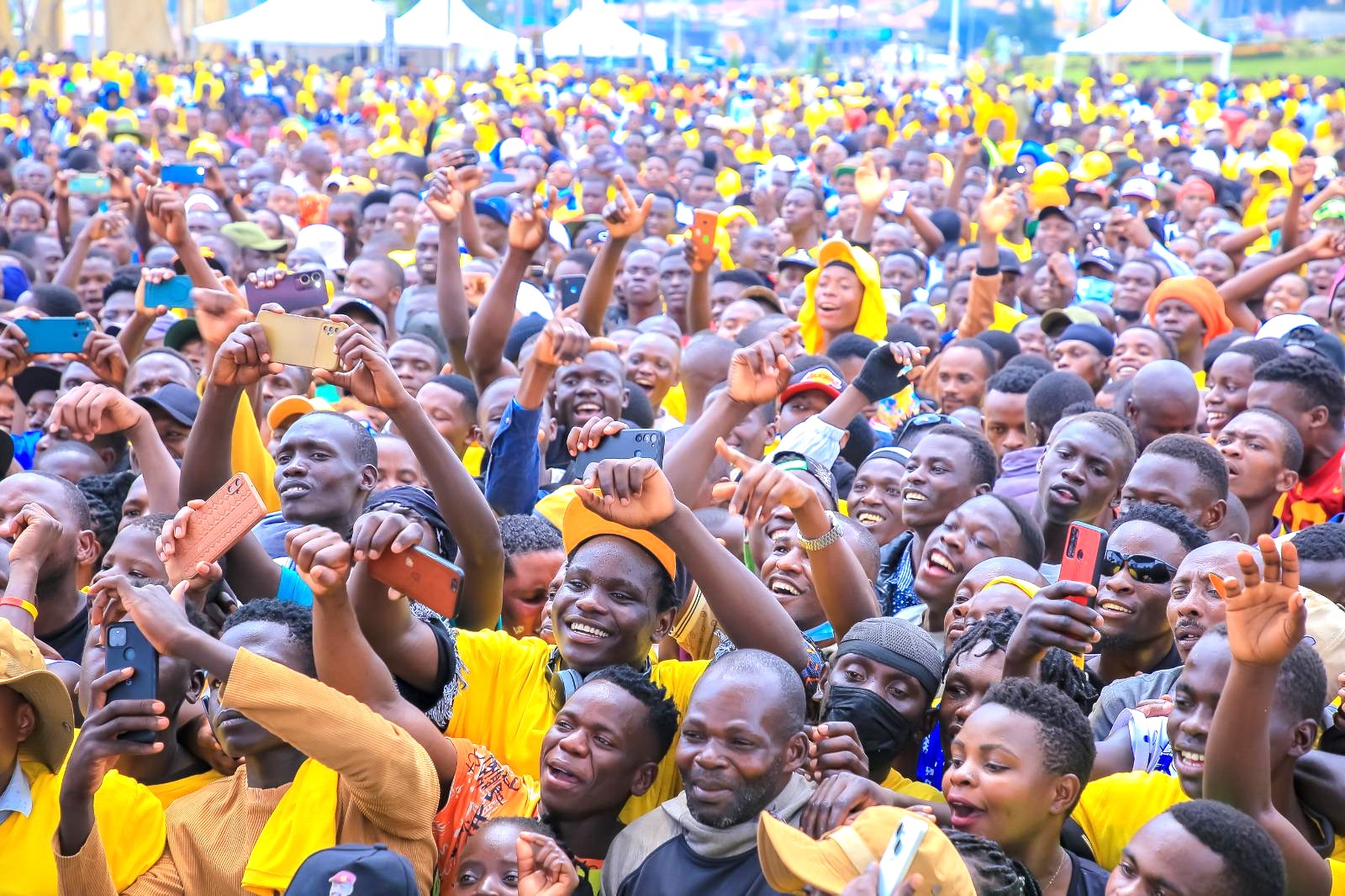
The ruling National Resistance Movement (NRM) has once again demonstrated its formidable strength at the grassroots level, following its sweeping victories in the recently concluded Special Interest Groups (SIG) elections held across Uganda.
The results not only reaffirm the NRM’s entrenched local presence but also expose the organizational weaknesses and strategic disunity within the opposition.
According to preliminary data and reports from multiple districts, opposition parties, particularly the National Unity Platform (NUP), suffered heavy losses, in some cases losing outright in regions they previously claimed to command.
Notably, independent candidates outperformed several mainstream opposition parties, further fracturing the anti-NRM vote and raising serious questions about coordination and coherence within opposition ranks.
The Special Interest Groups elections, which span from village to sub-county levels, are pivotal in shaping the electoral colleges responsible for selecting Members of Parliament representing youth, persons with disabilities (PwDs), and older persons.
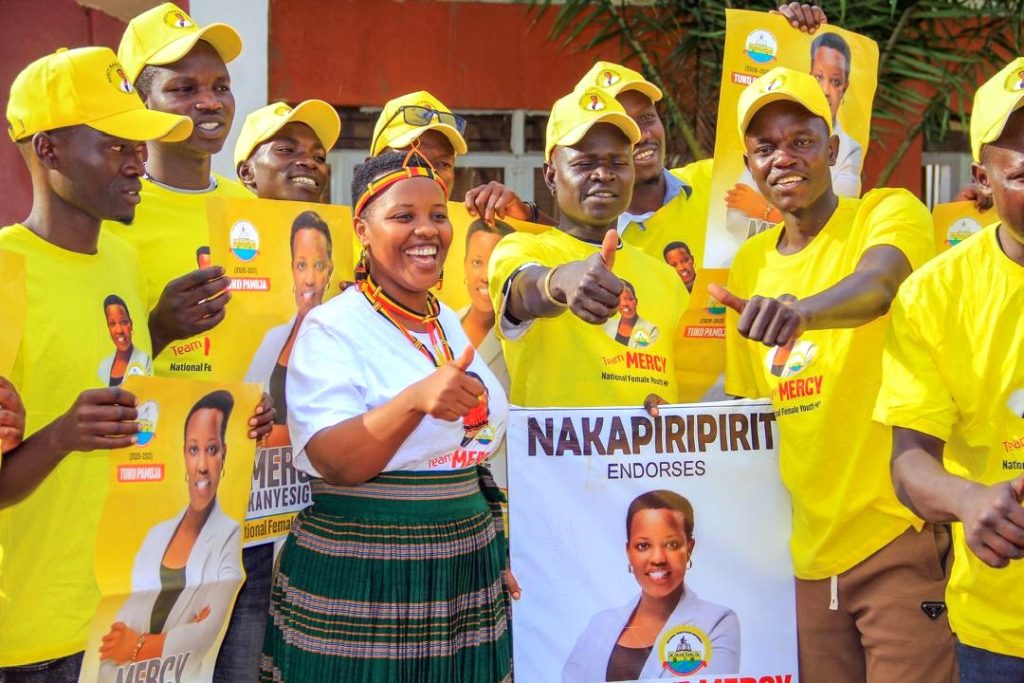
The NRM’s commanding performance in these local structures provides it with a critical advantage ahead of the 2026 general elections.
Political analysts argue that the opposition’s poor showing underscores deeper structural issues. “A political party without well-established grassroots structures cannot effectively mobilize support or disseminate its ideology,” noted political analyst Jeff Tumuhimbise.
“How do you expect people to know you exist or understand your message if you lack presence at the village level?”
In regions such as Buganda, considered a stronghold for NUP, the results showed a surprising tilt towards the ruling party or independent candidates.
These outcomes highlight the volatility of voter behavior and the limitations of urban-based political momentum when not matched with rural mobilization.
Tumuhimbise further stressed the significance of grassroots organization in Uganda’s electoral framework, particularly under a system where democracy is often numerically driven.
“The NRM controls the majority of voters within the SIG electoral colleges, so it is unsurprising that they dominate this space,” he added.
Despite isolated disruptions caused by weather, the electoral process was largely peaceful. Observers note that the absence of widespread violence or malpractice, issues often cited by opposition parties, neutralizes some of the usual post-election grievances and shifts the focus back to internal strategic deficiencies within the opposition.
“The opposition needs to return to the drawing board,” Tumuhimbise remarked. “They must put aside partisan rivalries and coalesce behind the most viable candidates, regardless of party affiliation. Unity in purpose is critical if they hope to mount a serious challenge in 2026.”
Reality check
To Raymond Hassan, the recent SIG elections have served as a political reality check for Uganda’s opposition parties, revealing their persistent struggles to compete with the NRM at the grassroots level.
He stressed that while SIG elections are often overlooked in national political discourse, their outcomes offer critical insight into the organizational strength and local presence of political actors.
“The NRM’s sweeping victories across the country reflect not just its established rural networks, but also its ability to mobilize voters consistently through deeply embedded party structures. But NUP, failed to convert national visibility into local electoral success,” he added.
In several districts, NUP candidates were outperformed by independents, raising questions about the party’s much-touted nationwide structures and long-term strategic planning.
Hassan emphasized that without robust grassroots networks, opposition will continue to face a serious challenge against NRM.
“You need structures, local organizers, and the ability to engage with community dynamics,” he said.
With the NRM controlling the majority of these positions, it now holds a strategic advantage heading into the 2026 polls.
He also reiterates that unless opposition parties find common ground and rally behind unified candidates, their ability to challenge the NRM’s entrenched influence will remain limited.
The SIG electoral framework is hierarchical and highly structured, particularly within the youth representation process.
Elections begin at the village level, where voters line up behind candidates in accordance with Ugandan electoral law.
These initial outcomes form the foundation for higher-level electoral colleges, which eventually elect national youth MPs through secret ballot.
Each SIG committee includes key leadership roles, such as chairperson, secretary for women, and secretary for sports and culture, with expanded roles at the national level including legal and external affairs.
Bosco Ngabirano, Senior Elections Officer for SIGs, emphasized that the process is rooted in participation, not privilege, and is governed by strict legal frameworks including the National Youth Council Act and the Electoral Commission Act.
As Uganda approaches the 2026 elections, the SIG process serves as both a political bellwether and a test of democratic engagement. For the NRM, it reinforces its dominant hold over local political machinery. For the opposition, the results are a sobering reminder that electoral success begins at the grassroots—and without serious investment in local structures, slogans alone will not suffice.