


As cultural tradition collides with pulpit proclamations, a heated national debate erupts over love, lineage, and the limits of modern faith.
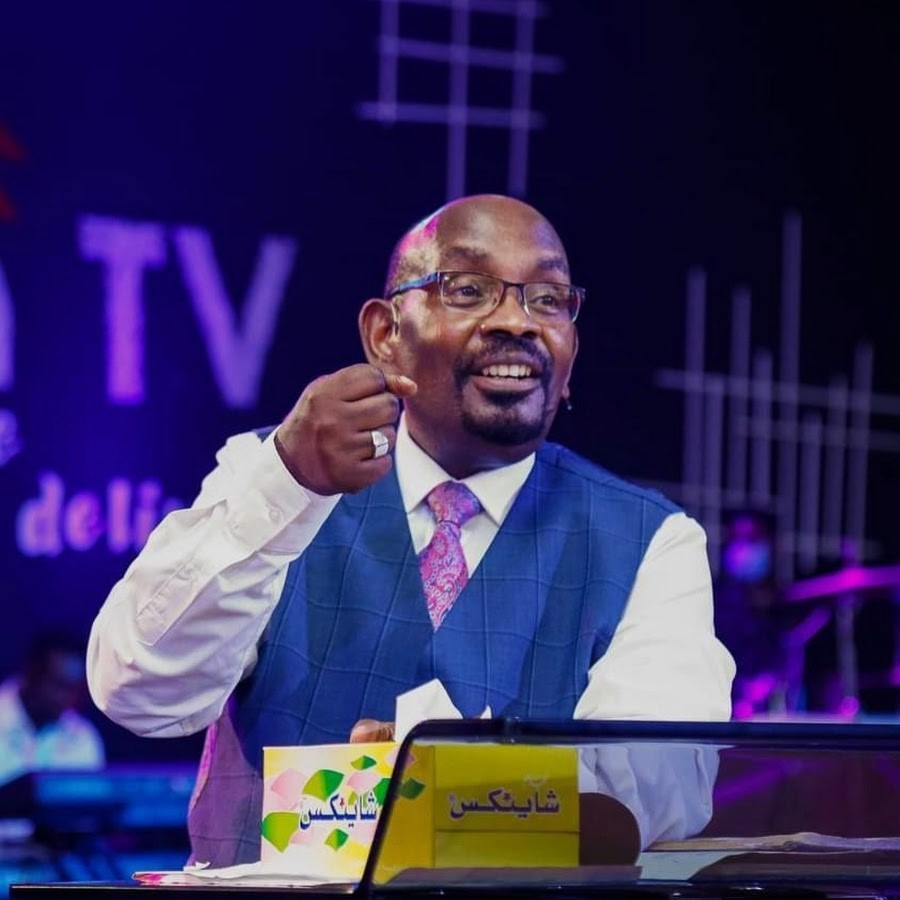
A wave of cultural tension has swept across Buganda following a controversial sermon by Pastor Joseph Serwadda of Victory Christian Centre, in which he encouraged believers to disregard the ancient taboo against marrying someone from their own clan.
His words have not only ignited a firestorm on social media but also drawn a firm and public rebuke from none other than the Prime Minister of the Buganda Kingdom, Charles Peter Mayiga.
In Buganda tradition, one of the oldest and most structured monarchies in Africa, clan identity is sacrosanct. Members of the same clan, even without direct blood ties, are regarded as siblings. Marrying within the same clan is, therefore, considered a cultural abomination, carrying spiritual, social, and ancestral implications.
But in a sermon that has since gone viral, Pastor Serwadda disrupted centuries of custom with a bold, theological take:
“You can marry your clanmate, unless you don’t love them. In Christ, this is no taboo,” he declared, urging followers to elevate biblical interpretation over traditional norms. “The Bible only prohibits marriage with your sibling or your cousin. That is very clear.”
The remarks landed like a thunderclap in Buganda’s cultural heartland.
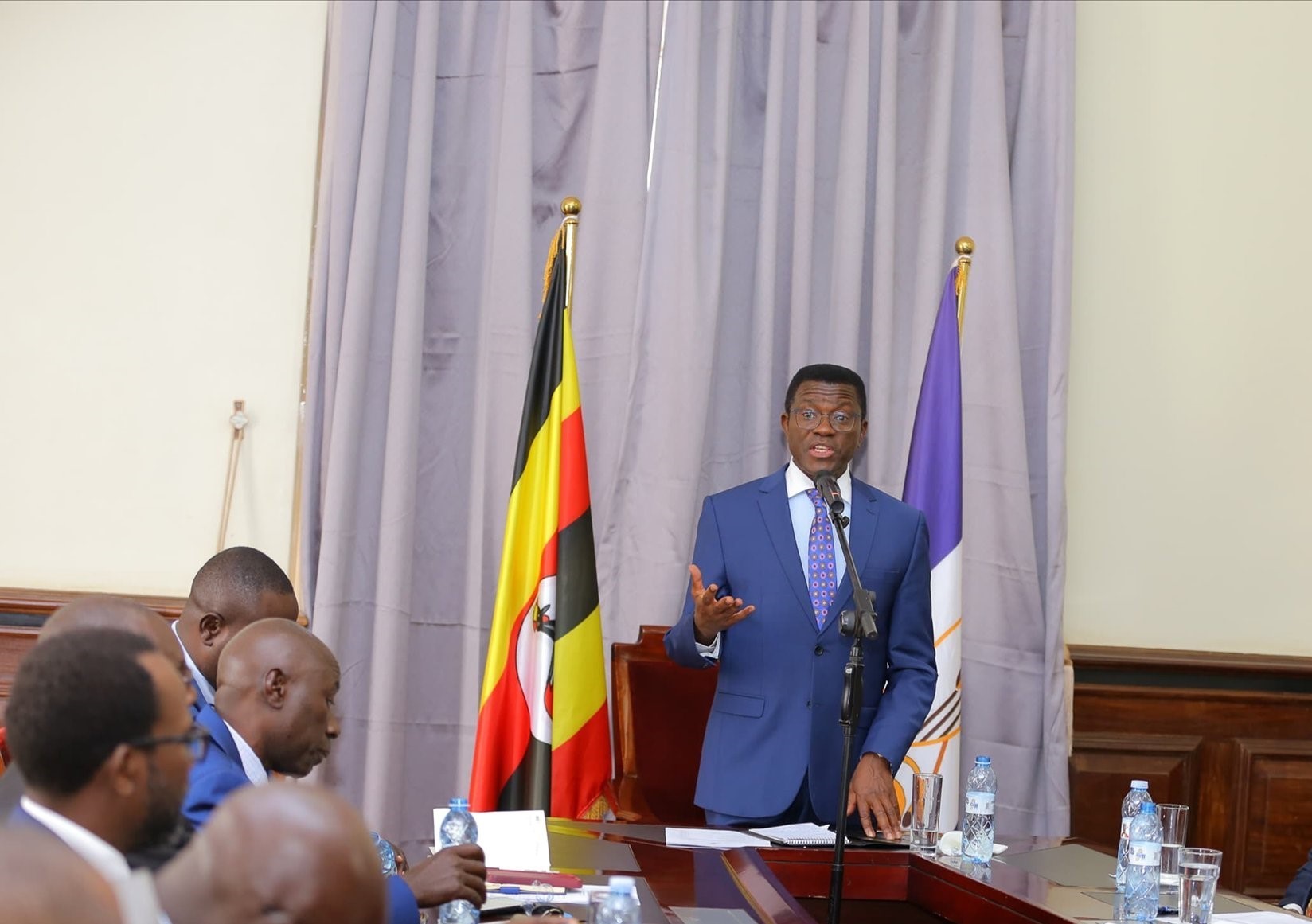
Charles Peter Mayiga, the Katikkiro (Prime Minister) of Buganda, did not mince words in his response. Speaking with unmistakable disappointment, he accused the pastor of twisting scripture to suit personal choices, and undermining deeply-rooted societal values in the process.
“I just heard a pastor saying that the Bible doesn’t prohibit marrying your sister. I was surprised by him because I used to respect him,” Mayiga said. “I wonder if he just got a lover from his clan. You know, that is how they do, and they start misinterpreting laws to justify their acts. In our tradition, you cannot marry a member of your clan.”
Mayiga’s reaction reveals more than personal displeasure; it highlights a larger cultural reckoning, a tug-of-war between modern religious interpretations and the timeless laws of heritage that govern Uganda’s largest kingdom.
“Totems and Love Don’t Mix” — Or Do They?
Pastor Serwadda’s sermon did more than challenge the clan taboo; it questioned the entire relevaNce of traditional lineages in Christian marriage. He argued that customs rooted in totems and ancestry are no longer binding under the new covenant of faith. He even went as far as citing Uganda’s own legal framework.
“The Parliament of Uganda’s list of prohibited marriages doesn’t mention clanmates,” he said, asserting that government law already operates independently of cultural restriction.
Even more provocatively, Serwadda suggested that born-again women are taking on neutral names like Mukisa, Kisakye, and Kwagala, titles often associated with blessings, grace, and love. in a strategic move to obscure their clan identity and allow space for love that would otherwise be forbidden.
The debate is more than semantics, it cuts to the core of Uganda’s identity. Can Christianity rewrite ancestral rules? Should the church and the kingdom each reign in their respective spheres? And as urbanization, education, and religious conversion reshape society, what happens to the unwritten laws passed from ancestor to heir?
Social media users have been polarized, with many defending tradition as the backbone of community values, while others praise Serwadda for challenging “backward” customs with what they see as biblical truth.
For now, the Katikkiro has made Buganda’s stance crystal clear: the clan taboo is non-negotiable.
Whether Serwadda’s spiritual interpretation gains ground remains to be seen, but what is certain is that Uganda is in the midst of a cultural conversation that reaches far beyond the pulpit, stirring questions of identity, faith, and the ever-evolving definition of family.