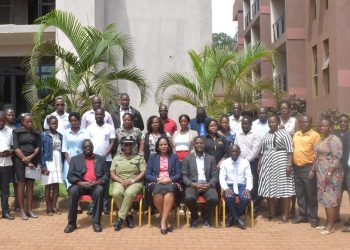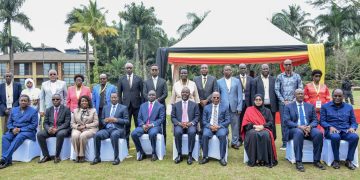



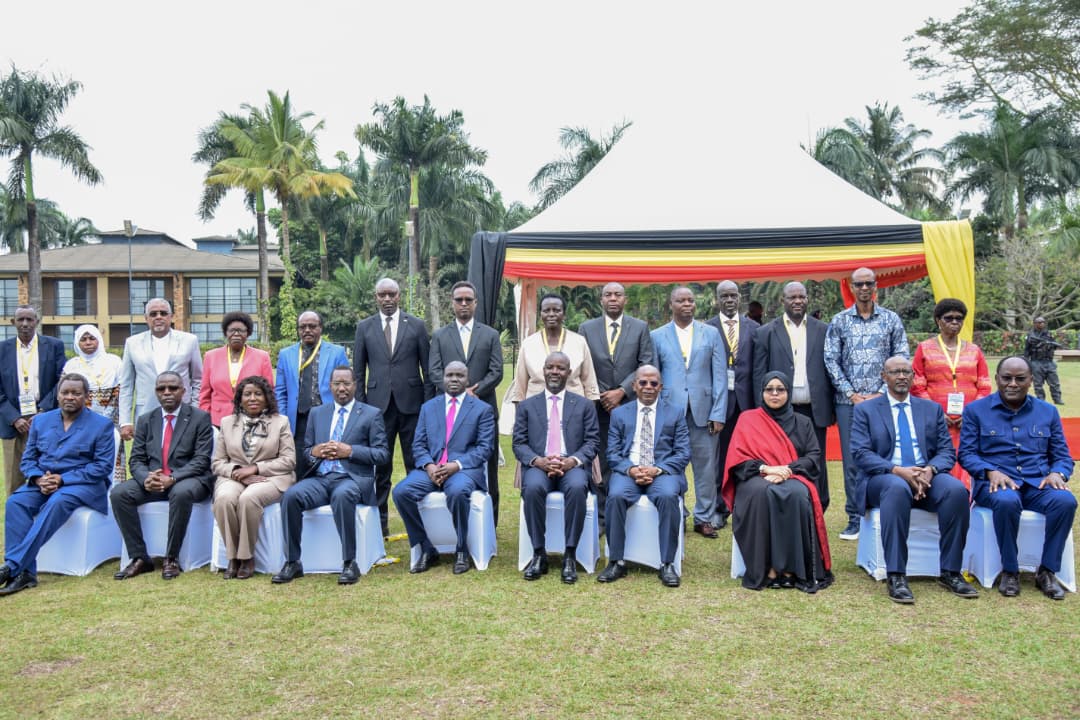
Ministers responsible for higher education from the eight East African Community (EAC) Partner States: Burundi, Democratic Republic of Congo, Kenya, Rwanda, Somalia, South Sudan, Tanzania, and Uganda, have made a historic commitment to harmonize and transform higher education across the region.
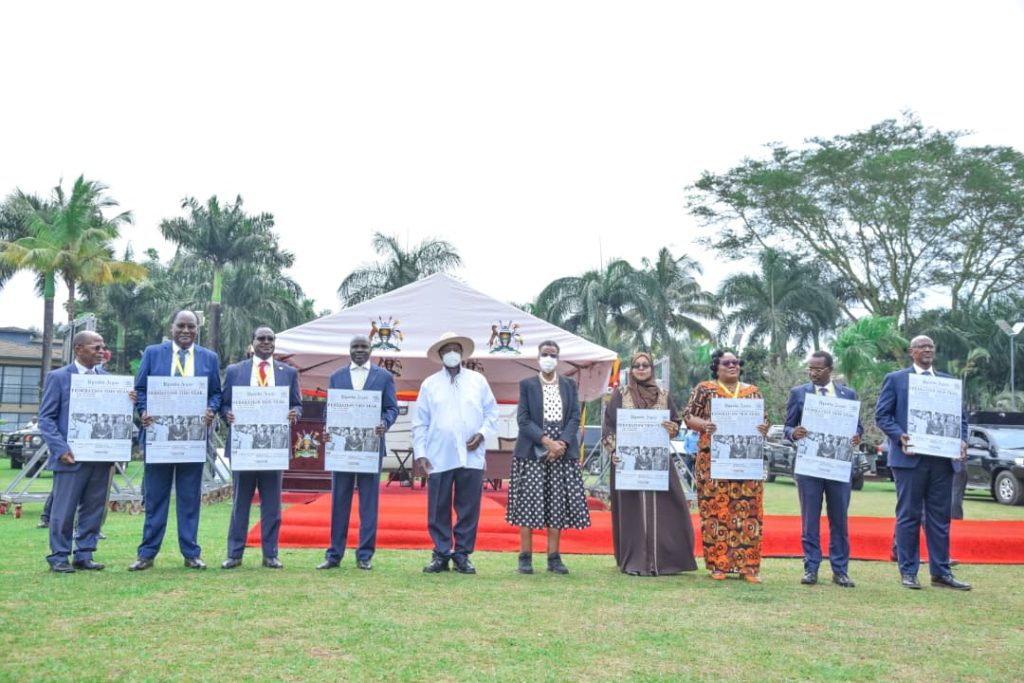
The landmark pledge was made at the conclusion of the first-ever Regional Ministerial Conference on the East African Community Common Higher Education Area (EACHEA), held in Kampala from September 9 to 11.
Meeting under the theme, “Enhancing Regional Integration through Harmonised Higher Education Systems for Sustainable Development in East Africa,” the ministers, together with university leaders, education regulators, student representatives, industry stakeholders, and development partners, outlined bold strategies to make higher education a cornerstone of regional integration, economic transformation, and innovation.
In their joint communique, the ministers reaffirmed their commitment to fully operationalize the EACHEA framework, which aims to align national higher education systems while respecting each country’s unique context.
This alignment will ensure the seamless recognition of academic and professional qualifications, promoting mobility for students, staff, and professionals throughout East Africa by 2027.
“The full operationalization of the EACHEA is a powerful tool to deepen integration, boost skills development, and enhance the global competitiveness of our region,” the communique reads in parts.
The communiqué underscored plans to harmonize policies, legislation, and accreditation frameworks by 2030, leveraging key instruments such as the East African Qualifications Framework for Higher Education (EAQFHE), Regional Quality Assurance Framework (RQAF), and the Credit Accumulation and Transfer System (EAC-CATS).
This will foster consistency in education quality and allow credits earned in one country to be recognized across all Partner States.
Digital transformation also emerged as a priority, with the ministers committing to expand e-learning, blended teaching, and virtual exchange programs.
Clear regulations on the ethical use of digital technologies and artificial intelligence will be developed to ensure these innovations enhance education quality and accessibility.
Addressing longstanding challenges, the ministers vowed to improve financing models through public-private partnerships and regional resource pooling, while promoting equity and inclusion to ensure marginalized groups and women have greater access to higher education.
The communiqué also called for the removal of visa fees for students and professionals moving across borders within the EAC, and mandated that Partner States enforce policies requiring equal tuition fees for EAC students, charged in local currency, to facilitate intra-regional mobility.
To sustain momentum, the ministers agreed that the Regional Ministerial Conference on EACHEA will be convened every two years, with the next meeting scheduled to take place in Rwanda in 2027.
Expressing gratitude, the ministers thanked the Government and People of Uganda for hosting the event, alongside the Inter-University Council for East Africa (IUCEA), the Forum of CEOs of National Councils and Commissions for Higher Education, development partners, academia, and industry representatives for their critical roles in making the conference a success.
This landmark agreement marks a major step forward for East Africa in building a unified, competitive, and innovative higher education space, a key foundation for the region’s social and economic future.