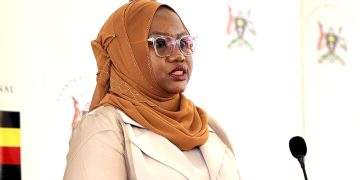



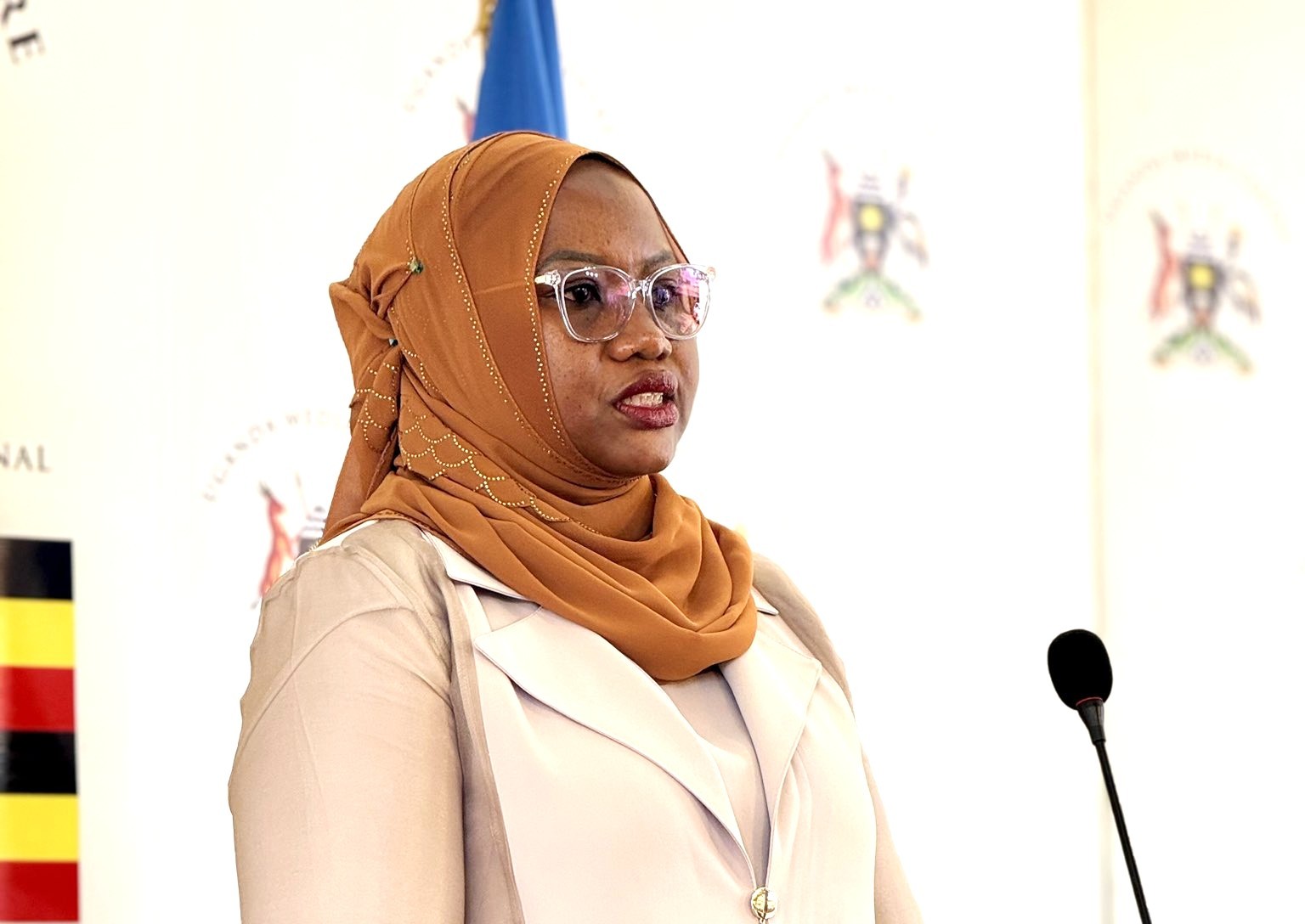
Kampala Capital City Authority (KCCA) Executive Director Sharifah Buzeki has officially announced the new date for the much-anticipated Kampala City Festival 2025, which has been rescheduled from October 5 to October 12 to allow for thorough preparations ahead of Uganda’s 63rd Independence Day celebrations on October 9.
The festival will take place at the Kololo Independence Grounds under the theme “Innovation, Culture, and Sustainability.”
Addressing the media on behalf of the Authority, Buzeki expressed gratitude to city residents, partners, and institutions that actively participated in the various pre-festival events. She described the spirit of the city as vibrant and united, declaring with confidence, “Kampala is alive.”
According to Buzeki, the pre-festival season has demonstrated the power of people-centered development and collective action. Among the key activities conducted were health camps, child welfare visits, environmental initiatives, and public engagement programs that reached thousands of city dwellers.
“We began by visiting children in homes and reception centers across all city divisions. These children at Naguru, Sanyu Babies’ Home, St. Theresa, Nsambya, and Hope for Justice were not just gifted essential items, they were shown love, care, and the dignity they deserve. Kampala must care before it celebrates,” said Buzeki.
Health was another major focus. On September 24 and 25, medical camps were held in all five divisions, delivering vital services such as immunization, family planning, HIV testing, cervical cancer screening, and nutrition assessments.
Over 7,000 people benefited from the free services. “Our city reminded us that accessible and dignified healthcare is not a luxury but a basic need. The public has called for more of these camps, and we are listening,” she noted.
Sustainable mobility also took center stage with the Kampala Car-Free Day held on September 27. Key roads including Nile Avenue, Speke Road, and parts of the city center were closed to motorized traffic, allowing families to cycle, walk, and play.
Buzeki reported a notable improvement in air quality that day, describing the initiative as a model for future urban transport planning.
In addition, KCCA launched two public sanitation facilities at Constitutional Square, reinforcing the Authority’s commitment to hygiene and public dignity. “Clean, accessible public sanitation is foundational to a livable city,” Buzeki emphasized.
The same week, KCCA unveiled its Strategic Plan 2025/26 – 2029/30 under the theme “Revitalizing Kampala into a Well-Functioning City,” with a projected budget of shs11.9 trillion.
This was accompanied by the launch of a new KCCA Client Charter and Service Delivery Standards Compendium aimed at improving service accountability and transparency.
Urban agriculture demonstrations were conducted at Mengo and Kibuli primary schools to introduce children to sustainable food practices like sack gardening and container farming. “We want our children to not only learn science in class but to live it practically, growing food and caring for the environment,” said Buzeki.
October 1 marked Kampala’s “No-Litter Day,” flagged off by the Minister for Kampala. Students, beauty queens, and residents participated in citywide clean-up and sensitization marches aimed at promoting waste segregation and recycling. Clean up activities extended to all five city divisions, reaffirming a city-wide commitment to cleanliness and civic responsibility.
On October 3, KCCA kicked off its tree-planting initiative along Nile Avenue and distributed fruit trees to schools across the city as part of its Greening Kampala campaign.
“Trees are more than decoration, they are part of our urban health infrastructure. By planting them in schools, we are shaping a generation that values sustainability,” Buzeki explained.
Reflecting on the lessons from the pre-festival activities, Buzeki highlighted four key insights: residents want more frequent car-free days, greater access to healthcare, deeper community engagement with children’s homes, and celebrations that remain inclusive, sustainable, and people-centered.
Looking ahead to the festival, Buzeki detailed plans for a grand procession starting from Buganda Road and ending at Kololo. The festival grounds will host several zones including the Main Stage, Christian and Halal villages, Children’s Village, a VIP area, and exhibitions on culture, innovation, and sustainability.
She assured the public of adequate security throughout the festivities, with the Uganda Police and other agencies fully engaged in providing a safe environment.
In closing, Buzeki expressed appreciation to sponsors, civil society, schools, and community groups who contributed to the success of the pre-festival events. She also extended special thanks to President Yoweri Kaguta Museveni and Cabinet for granting permission to resume the Kampala City Festival after a seven-year hiatus.
“I now invite all residents, partners, and friends of Kampala to join us on October 12 at Kololo Independence Grounds. Let us celebrate Kampala, our culture, our innovations, and our shared future,” said Buzeki.