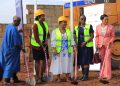



With the Local Economic Growth Support (LEGS) project set to close on 31 December 2025, Minister for Local Government Raphael Magyezi has launched a district-by-district assessment to gauge its real impact and determine what the next phase of government support could look like.
His tour, which includes Kibuku, Kumi, Nwoya, and Katakwi, is shaping the conversation around a potential LEGS 2 as he examines achievements on the ground, the challenges communities face, and the long-term sustainability of project investments.
Across its 17 beneficiary districts, LEGS has become a catalyst for stronger local economies and improved community wellbeing.
It has delivered wide-ranging support, from water-for-production systems and domestic water supply to rural markets, roads, post-harvest infrastructure, value-chain financing, livestock services, renewable energy solutions, and natural resource conservation.
Backed by the Government of Uganda, the Islamic Development Bank, the Lives and Livelihoods Fund, and local communities, the project has helped thousands participate more meaningfully in productive economic activities.
In Kibuku, Magyezi inspected the soon-to-be-commissioned Kadama Weekly Market, strategically located along the Mbale–Tirinyi highway.
The market is expected to ease trade flows for both local traders and travelers, while its livestock section already reflects the goals of the Parish Development Model by creating a steady revenue stream for the town council.
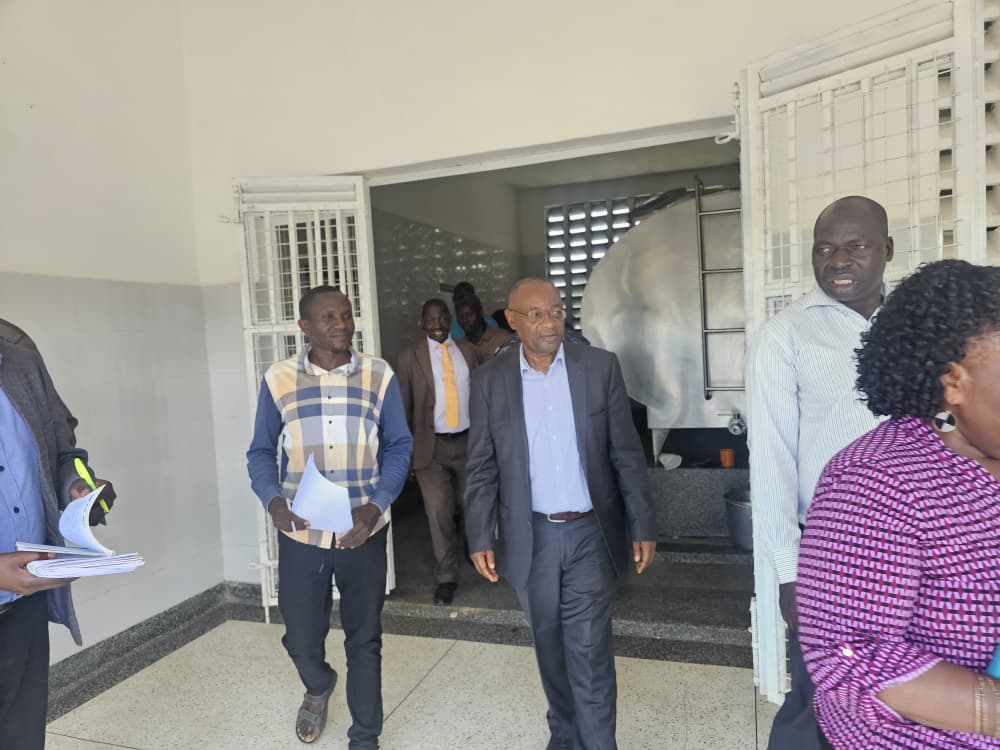
He also visited the Buseta Milk Collection Center, a once-modest cooperative that has transformed through LEGS support.
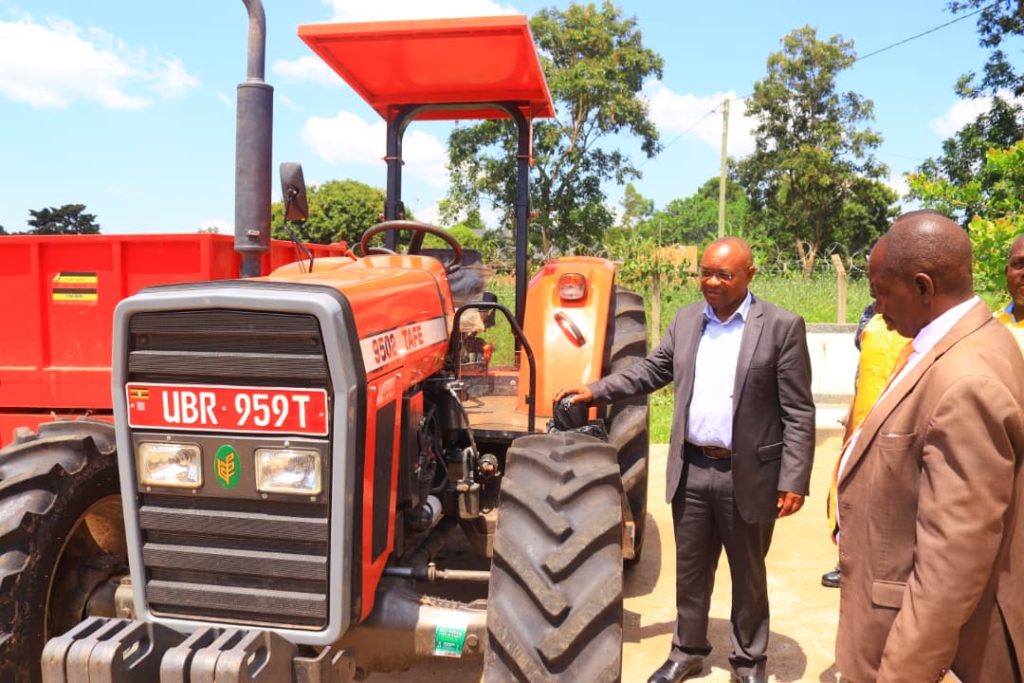
With a 5,000-liter cooling tank, a tractor and trailer serving 128 beneficiaries, more than 290 acres ploughed, and motorcycles and equipment for artificial insemination services, the centre has grown from only 30 members five years ago to over 200 today November 19, 2025, an expansion driven by renewed confidence among dairy farmers.
In Kumi, the Minister checked progress at the Kajamaka Earth Dam, a massive water-for-production facility capable of holding 250 million liters and now 89 percent complete.
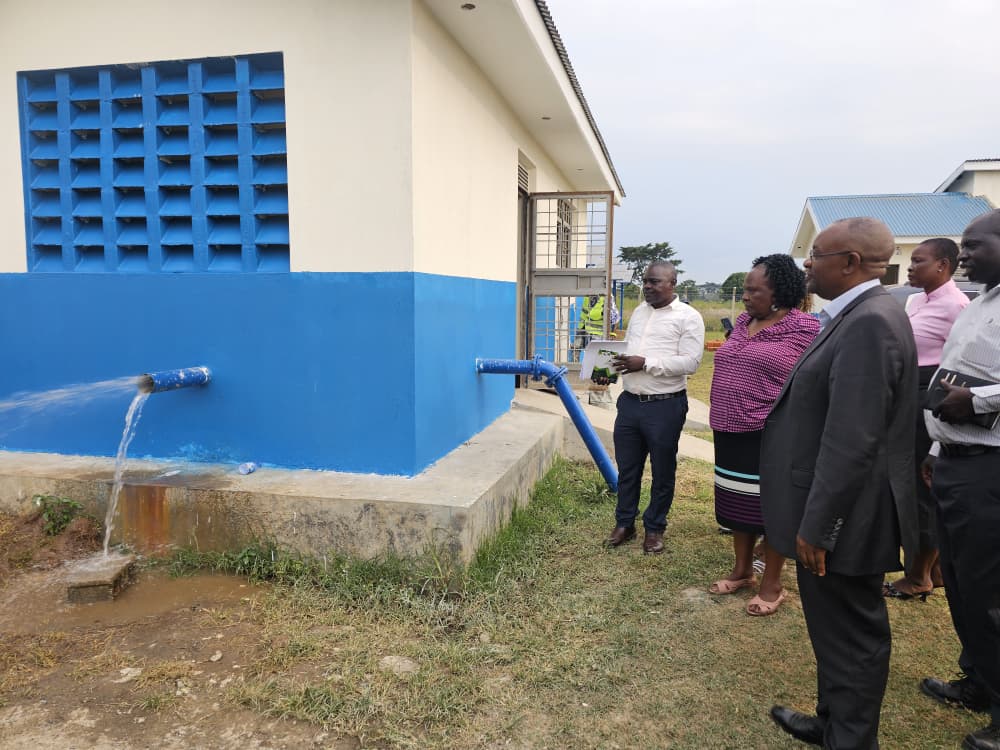
Two newly drilled high-capacity boreholes are already supplying safe domestic water to nearby communities. He also examined the Kanapa piped water system, powered by a 1,500-watt solar plant that pumps 24,000 liters a day.
Although the system can serve more than 20 parishes, it currently reaches eight, including several villages, institutions, and Kanapa Trading Centre, offering a glimpse of its potential once fully scaled.
Magyezi has urged both technical teams and political leaders to compile a comprehensive report capturing the project’s overall impact, community involvement, and the measures needed to ensure sustainability.
The findings, he said, will be crucial in shaping future government interventions aimed at strengthening local economic growth long after the LEGS project officially concludes.