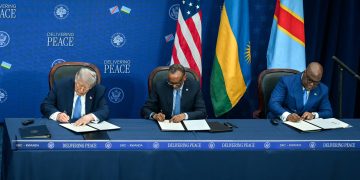



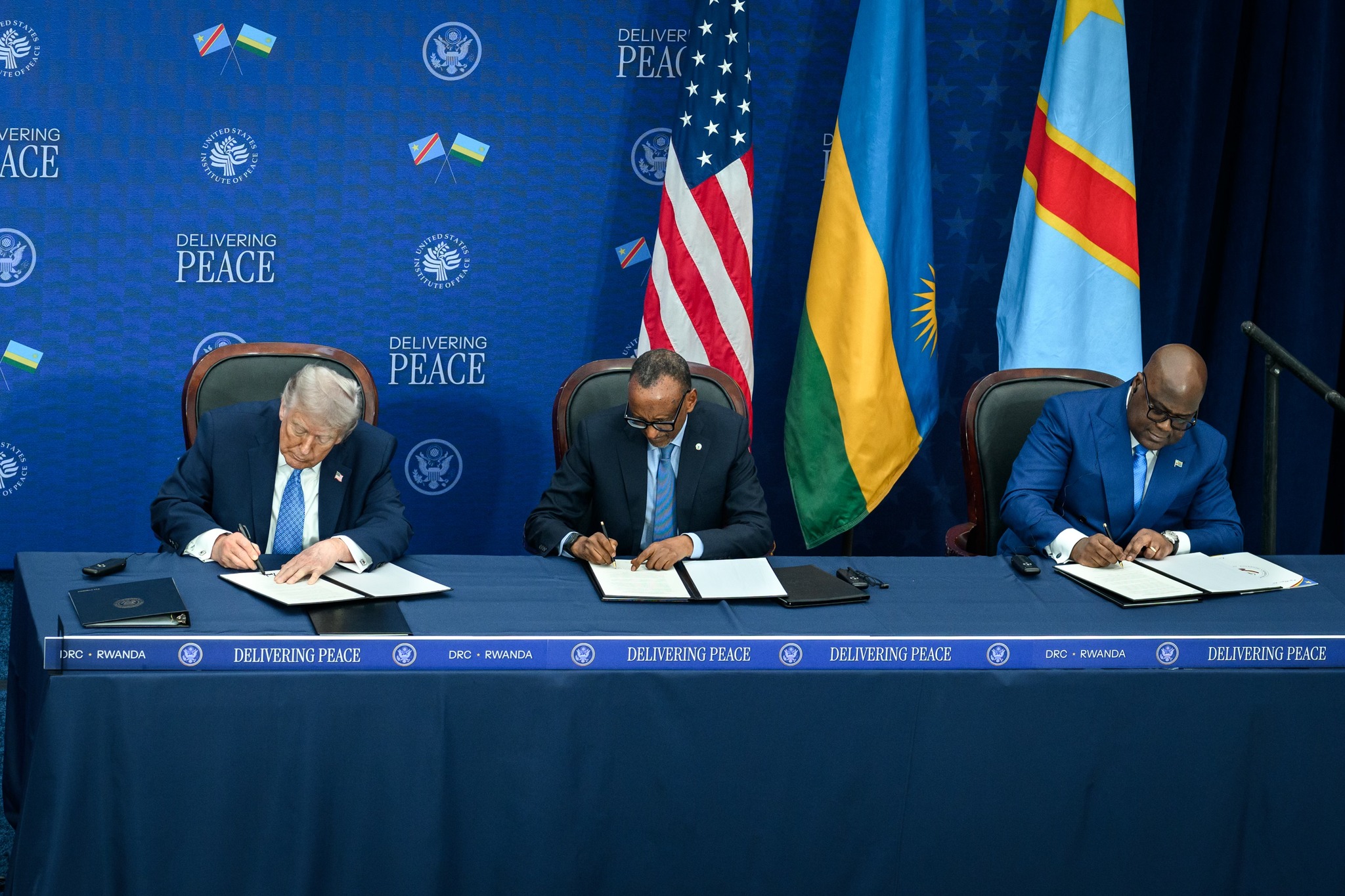
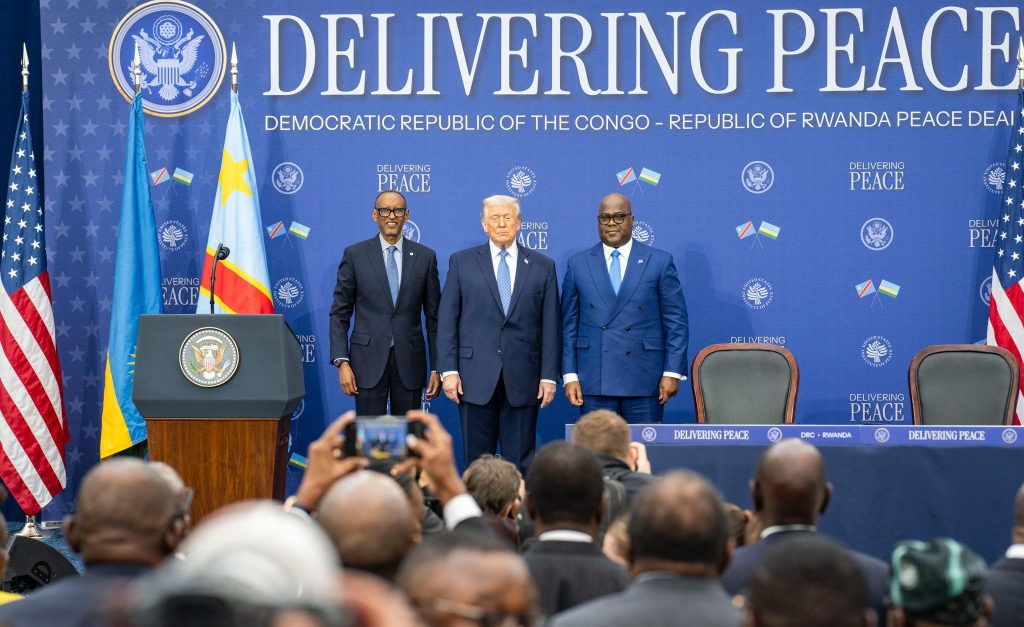
Rwandan President Paul Kagame and Democratic Republic of Congo (DRC) President Felix Tshisekedi signed a long-awaited peace accord at the White House on Thursday (December 5, 2025), in a ceremony hosted by U.S. President Donald Trump.
The agreement seeks to end one of Africa’s most enduring and deadly conflicts. Yet even as leaders celebrated in Washington, fierce fighting continued in eastern DRC, where Rwanda-backed M23 rebels pressed ahead with rapid advances.
The accord, signed at a peace institute recently renamed in Trump’s honor, was presented by the U.S. administration as a diplomatic milestone. Standing beside the two African heads of state, Trump called the signing “a great miracle” and emphasized that the deal also secured new U.S. access to critical minerals in both Rwanda and the DRC.
“They spent a lot of time killing each other,” Trump said, “and now they’re going to spend a lot of time hugging, holding hands, and taking advantage of the United States economically, just like every other country does.”
Kagame and Tshisekedi, however, adopted a more guarded tone. Kagame, whose allies appear to have the military advantage on the ground, warned: “There will be ups and downs on the road ahead, there is no doubt about it.”
Tshisekedi echoed the caution, calling the accord “the beginning of a new path, a demanding path.”
Back home, the realities remained stark. Eastern DRC continued to burn as clashes intensified. Since the conflict reignited in late January, the M23 has seized key cities including Goma and Bukavu.
A Qatar-mediated ceasefire in June also collapsed almost immediately, with both sides accusing the other of violations. The humanitarian toll continues to rise in a region that has witnessed millions of deaths over decades.
Trump, who has repeatedly claimed credit for ending several wars since returning to office in January, made it clear that American strategic interests played a central role in the negotiations. Eastern Congo’s minerals, vital to electric vehicles and modern technologies, remain a priority for Washington.
“We’re going to take out some of the rare earth,” Trump said. “And everybody’s going to make a lot of money.”
The accord also comes as Rwanda and the DRC discuss potential cooperation with Washington on Trump’s immigration agenda, including agreements to accept migrants amid the administration’s sweeping deportation drive.
Regional leaders witness historic signing
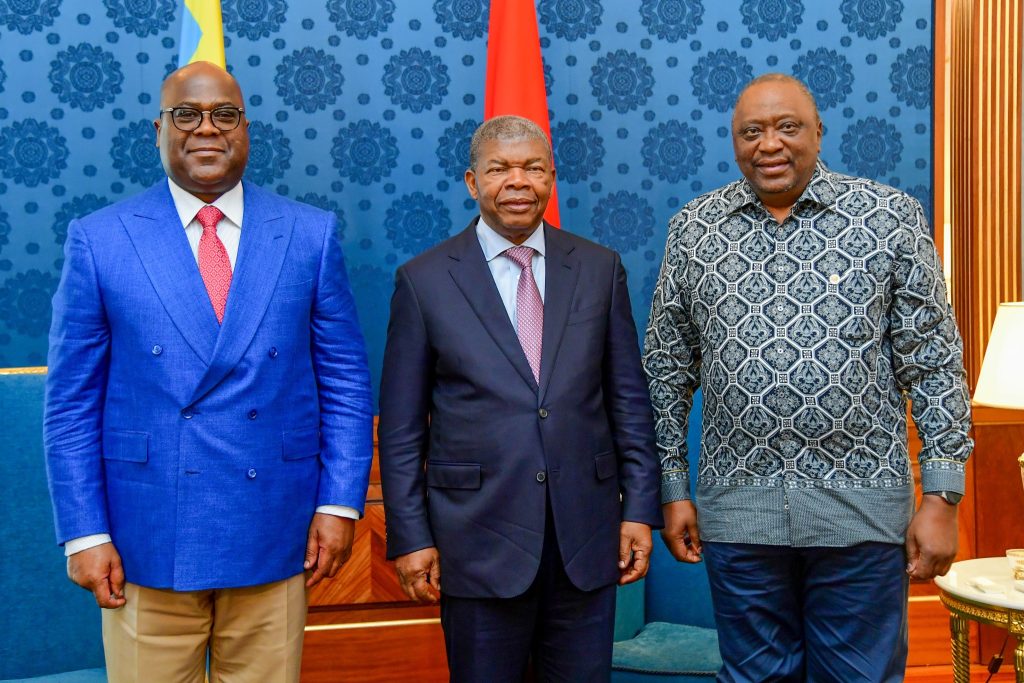
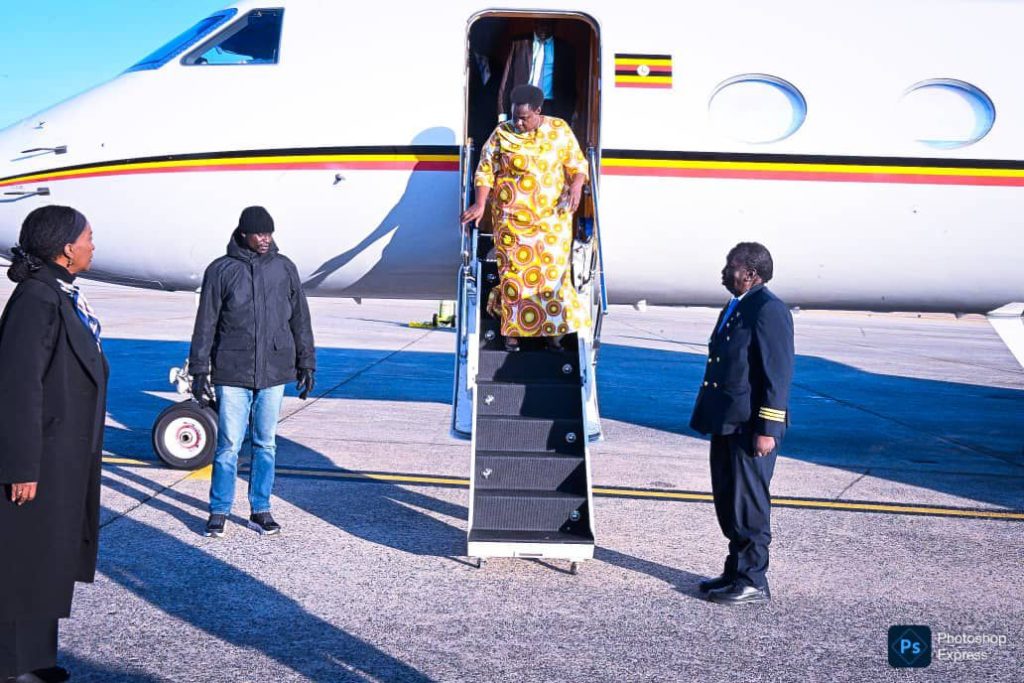
The White House signing was accompanied by a second ceremony at the United States Institute of Peace (USIP), where former Kenyan President Uhuru Kenyatta, Burundian President Évariste Ndayishimiye, and Angolan President João Lourenço witnessed the ratification of the Washington Accords for Peace. Also present was Uganda’s Vice President Maj (Rtd) Jessica Alupo who represented President Yoweri Museveni who is campaigns seeking another five year term.
The accords establish a permanent ceasefire, mandate the disarmament of armed groups, outline provisions for the return of refugees, and introduce a framework for regional economic cooperation—an ambitious package designed to end a conflict that has claimed more than 10 million lives.
Trump lauded the signing as a turning point. “We have come to the U.S. Institute of Peace to sign a historic agreement that will end one of the longest-running conflicts anywhere in the world,” he said.
Tshisekedi highlight the pivotal role played by long-time mediators and regional allies. He credited former President Kenyatta and President Lourenço for launching the Nairobi and Luanda peace tracks, which laid the foundation for the Washington breakthrough.
“These two great Africans were there at the beginning; they started the Nairobi and Luanda peace processes,” he said. He also thanked Trump and the American people for “championing the rapprochement.”
Tshisekedi emphasized that the new agreements combine a declaration of principles, a peace pact, and an economic integration framework aimed at ending cycles of mistrust, displacement, and violence. He described the accords as ushering in “a new era of friendship, cooperation, and shared prosperity.”
Kagame reiterated Rwanda’s commitment to lasting regional stability. “It is now up to us in Africa, working with our partners, to consolidate and expand this peace. Rwanda will not be found wanting,” he said, noting that Rwanda’s priority remains ensuring its own security after enduring “so much tragedy.”
Kenyan President William Ruto hailed the agreement as the product of sustained and coordinated diplomacy. “Today’s achievement culminates a relentless regional effort,” he said. “The Nairobi, Luanda, and Washington processes created the essential pathway that brings us to this pivotal moment.” A peaceful eastern DRC, he noted, could unlock one of Africa’s greatest economic opportunities.
Former President Kenyatta, serving as a regional peace facilitator, also praised the agreement and highlighted Kenya’s continued commitment to stability across the Great Lakes region.
U.S. Secretary of State Marco Rubio, senior diplomats, and international peace partners were also present for the signing.
The Washington Accords lay the groundwork for renewed cooperation between Rwanda and the DRC, offering millions hope for an end to decades of conflict. But with battles still raging in eastern Congo, the durability of the agreement remains uncertain.
For now, the ink is dry, yet the guns in eastern DRC have not fallen silent.