



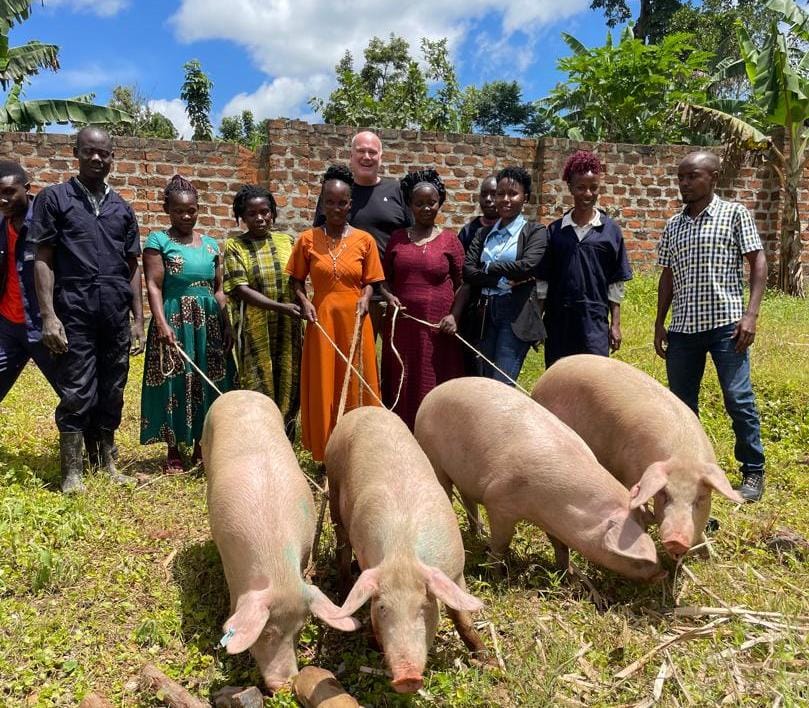
KAMPALA, UGANDA — Thousands of local farmers in pig rearing and across the pork value chain are set to benefit from a newly launched partnership dubbed “Finest Farms,” a bold agricultural venture aimed at transforming Uganda’s pork industry through integration, quality control and market stability.
The initiative was formalized through a Memorandum of Understanding between AAA Farms and Ranchers Finest Limited, a national supplier of high-quality processed meats based in Bwaise, Kampala. The agreement creates a new joint entity, Finest Farms, designed to build a seamless farm-to-plate ecosystem that addresses persistent supply chain disruptions affecting Uganda’s hospitality and export markets.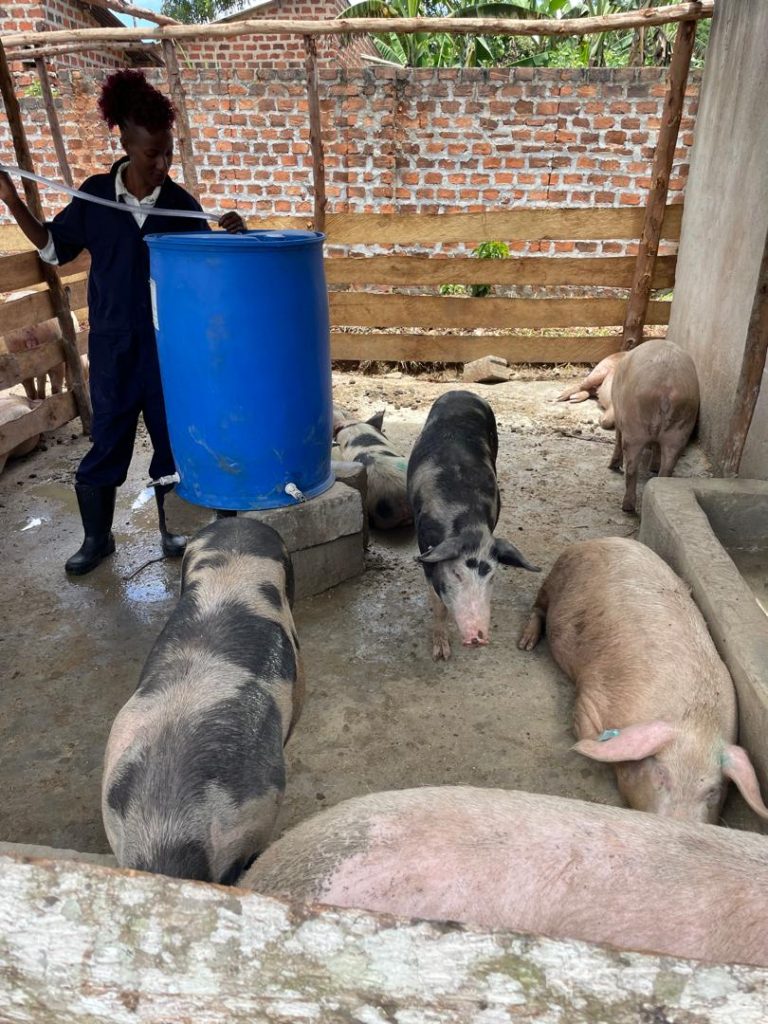 Speaking at the signing ceremony, Greg Stone, Chairman and Founder of AAA Farms, described the partnership as a fully integrated agricultural model structured to strengthen the entire pork value chain. He noted that Uganda’s pork market has long struggled with instability, inconsistent quality and unpredictable pricing, challenges that have made it difficult for hotels, restaurants and exporters to maintain steady menus and contracts.
Ranchers Finest, widely recognized as one of the country’s premier providers of processed meats and sausages, is now moving beyond procurement into direct production. By partnering with AAA Farms, the company has stepped into what its leadership described as the “driver’s seat” of production, ensuring reliability from grain to plate. The integrated system connects the cultivation of maize, soya and sunflower for premium animal feed directly to a network of commercial farms and community outgrowers raising pigs under improved standards. Industry data underscores the urgency of reform. Uganda’s pig population has grown from 3.2 million in 2008 to 7.1 million in 2021, with more than 2.2 million households now depending on pig farming. Per capita pork consumption has surged to an estimated 3.4 to 3.5 kilograms per person annually, the highest in East Africa. Despite this growth, the sector remains largely informal, dominated by smallholder farmers who keep an average of three pigs per household and often rely on middlemen who dictate prices.
Food safety concerns also persist. In Kampala, only one gazetted pig slaughterhouse operates officially, while studies indicate that a significant portion of pork sold in the capital originates from unauthorized facilities. Much of the meat in local markets goes uninspected, and hygiene scores in some retail outlets have been recorded at concerning levels. Poor waste management in informal slaughter areas increases the risk of zoonotic diseases and the spread of African Swine Fever.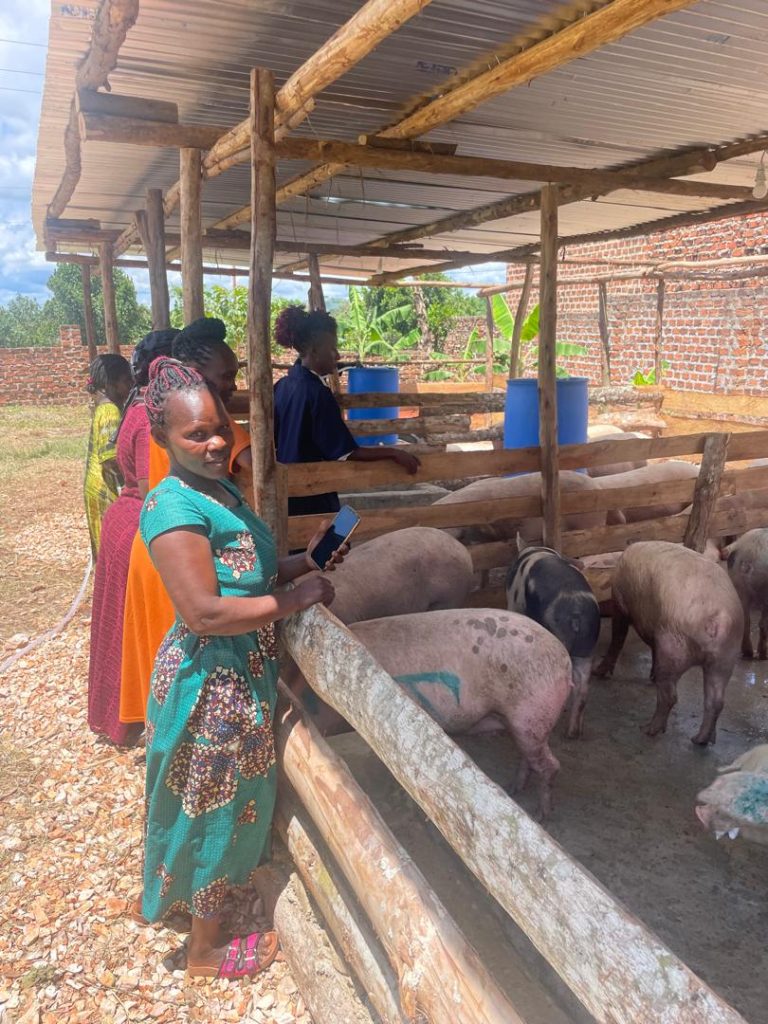 Finest Farms aims to confront these challenges by improving hygiene standards in abattoirs, expanding veterinary services closer to farming communities and promoting safe handling of pork products in markets. The model emphasizes vertical integration, enabling the company to manage feed production, genetics, farming practices and processing under one coordinated system. High-quality pig genetics imported from South Africa are being introduced to improve productivity and consistency, while direct links to grain farmers and feed mills are expected to reduce costs and stabilize supply.
Stone emphasized that consistency cannot simply be purchased in volatile markets but must be built from the ground up. Through guaranteed off-take agreements, smallholder farmers participating in the program will have a secure market for their livestock, reducing dependence on informal traders and price fluctuations. More than 3,000 local swine farmers have already received training under the initiative, with expansion plans underway.
Ranchers Finest executives said the new venture responds directly to feedback from hospitality industry partners who have long struggled with supply interruptions and uneven quality. They stressed that a restaurant menu represents a promise to guests, and that Finest Farms is designed to ensure that promise is consistently fulfilled with reliable, premium pork products available every day at sustainable prices.
Regional projections further highlight the opportunity. Demand for pork in Sub-Saharan Africa is expected to rise sharply by 2030, positioning Uganda as one of the few countries with the potential to meet growing regional needs if structural bottlenecks are addressed. While the country already has millions of pigs, only a fraction are raised and processed under the modern standards required by today’s consumers.
By linking smallholder farmers to a centralized production hub and direct-to-market channels, Finest Farms seeks to close that gap. Company leaders describe the initiative not simply as a farm, but as a nationwide value chain network built to deliver reliability, quality and economic growth for farming communities.