


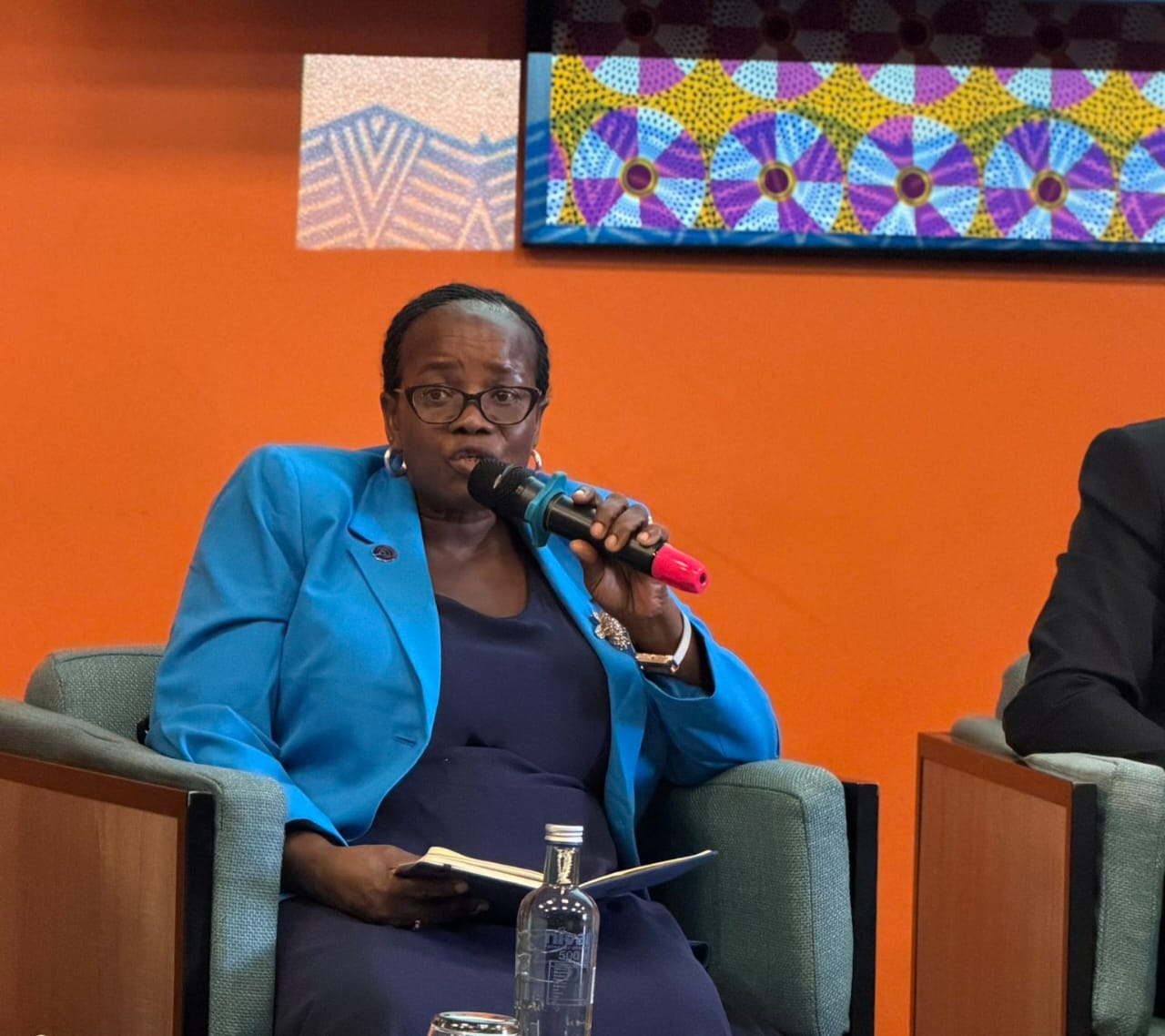
KAMPALA, Uganda: Uganda has renewed its call for stronger regional action on women, peace, and security, warning that persistent conflicts in the Great Lakes region continue to strain national stability, deepen humanitarian challenges, and expose women and girls to heightened risks of violence.
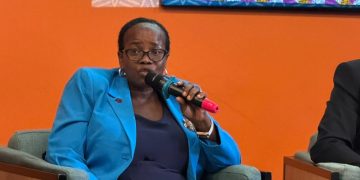
Speaking during the Second Regional Action Plan on Peace and Security and the Gender Barometer for the Great Lakes Region held in ONOMO Hotel Kampala, Commissioner for Gender and Women Affairs Dr Angela Nakafeero said that while Uganda has enjoyed relative peace for over three decades, instability in neighboring countries remains a major concern.
She pointed to ongoing conflicts in South Sudan, Sudan, Somalia and the Democratic Republic of the Congo as key drivers of displacement into Uganda. The country is currently hosting nearly two million refugees and asylum seekers, a situation she said has significant implications for both national resources and social systems.
Dr Nakafeero noted that although Uganda has maintained an open-door refugee policy, shrinking financial support from development partners is increasingly affecting the welfare of displaced populations. Food rations have been reduced, and access to essential services such as education has become more difficult, with some refugee families unable to afford examination fees for their children.
She also raised concerns about environmental degradation in refugee-hosting districts, where pressure on natural resources such as forests has intensified due to growing population needs. This, she said, has compounded climate-related challenges and requires urgent intervention through targeted climate action.
At the same time, gender-based violence continues to rise, particularly in refugee settlements, where rates are reported to be higher than the national average. Dr Nakafeero emphasized that addressing this issue remains central to Uganda’s Third National Action Plan on Women, Peace and Security, which prioritizes prevention, response, and survivor support.
The plan also focuses on increasing women’s participation in peacebuilding processes at all levels. Dr Nakafeero highlighted Uganda’s involvement in regional and continental platforms such as the International Conference on the Great Lakes Region, the Intergovernmental Authority on Development, and the African Union as critical avenues for amplifying the voices of women and girls.
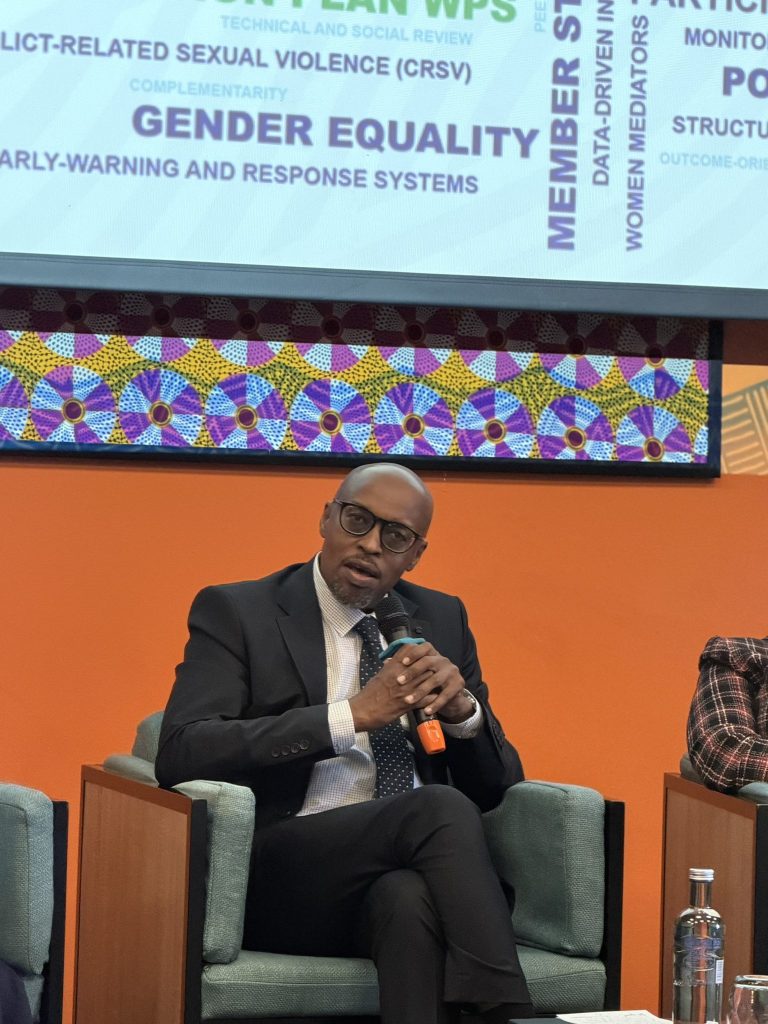
Meanwhile, Dr Jean Paul Kimonyo of the Levy Mwanawasa Regional Centre said the region presents both progress and setbacks in advancing gender equality. He noted that women’s representation in political leadership has improved significantly across the Great Lakes region, including in Uganda.
However, he warned that cases of gender-based violence and sexual violence are increasing across nearly all countries in the region.
He said it remains unclear whether the rise reflects an actual increase in incidents or growing confidence among survivors to report abuse, but stressed that the issue must be addressed with urgency.
Dr Kimonyo explained that while some cases are linked to armed conflict, many are rooted in broader social challenges, requiring sustained public awareness campaigns, stronger institutional responses, and coordinated government action across all 12 member states of the region.
Adding a regional perspective, Flaviana Charles Mayuta, Director for Gender, Women and Children at the International Conference on the Great Lakes Region, said the newly endorsed Regional Action Plan on Women, Peace and Security is designed to complement national frameworks already adopted by member states.
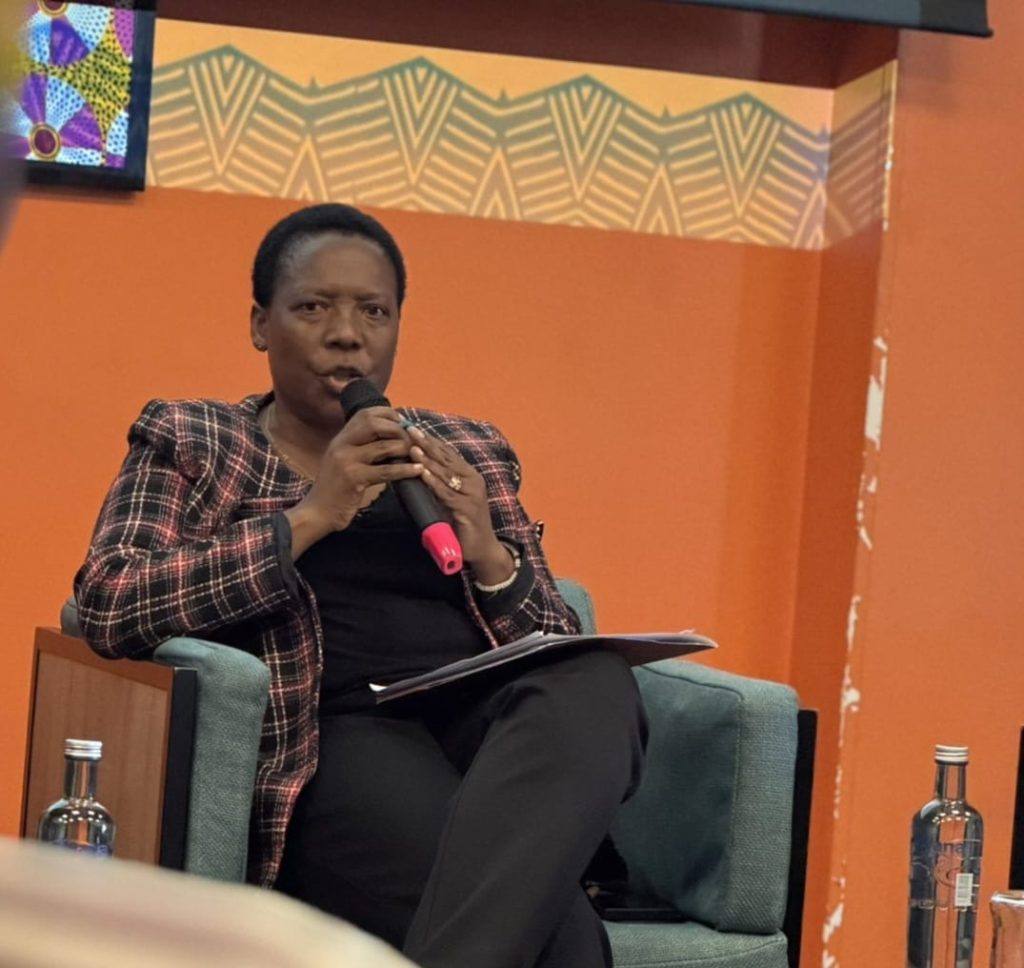
She revealed that 11 out of the 12 member states have finalized their national action plans, with Zambia in the final stages of completion. The regional framework is aligned with United Nations Security Council Resolution 1325, which emphasizes four key pillars: participation, prevention, protection, and recovery.
Mayuta underscored the importance of ensuring women’s meaningful participation in leadership and peace processes, noting that economic empowerment is essential for women to effectively contribute to decision-making and development.
She also highlighted ongoing efforts to strengthen conflict prevention through early warning systems, including the planned establishment of a regional monitoring mechanism to detect and respond to signs of instability before they escalate.
In addressing the long-term impacts of conflict, Mayuta stressed the need for comprehensive support for survivors of violence, including psychosocial care, access to justice, and economic reintegration. Without such support, she warned, affected individuals risk becoming marginalized and vulnerable to cycles of violence.
As the region moves to implement the new action plan, stakeholders are calling on governments to translate commitments into tangible action at national and community levels, particularly in areas most affected by conflict and displacement.