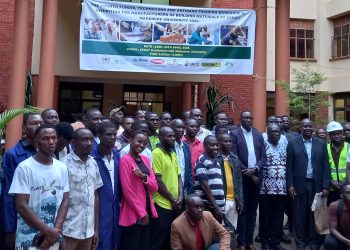




MBARARA, Uganda — What began as a university idea has grown into a fast-rising agribusiness transforming poultry farming and rural livelihoods across Uganda. Hatchrite Co. Limited, founded by entrepreneur Nakalema Assumpta, is emerging as a key player in agricultural innovation, thanks in part to the catalytic impact of the aYute Africa Challenge and the SAYE project.
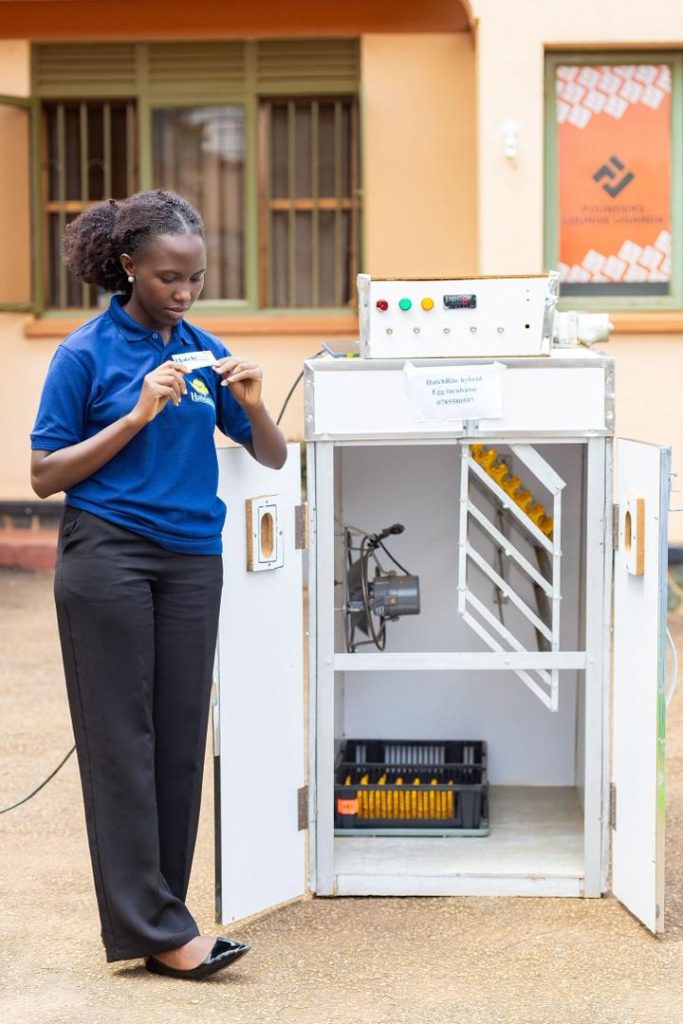
Established in 2023 in Mbarara District, Hatchrite specializes in manufacturing egg incubators and modern brooding systems designed to improve poultry productivity. The company’s journey from a student-led prototype to a community-impact enterprise reflects the power of youth innovation supported by strategic funding and mentorship.
From Campus Idea to National Impact

Nakalema’s inspiration took root during her time at university, where she identified a gap in access to affordable and efficient egg incubation technology, particularly in western Uganda. She leveraged her knowledge in information technology and collaborated with peers to develop an early prototype. That innovation would later earn recognition at the aYute Africa Challenge an annual competition organized by Heifer International to support young agripreneurs. In 2024, Hatchrite emerged among the winners, unlocking funding, mentorship, and exposure that would reshape its trajectory.
“The challenge gave us the platform to move from prototype to product,” Nakalema explains. “We tested multiple models, refined our technology, and eventually developed a reliable incubator with a hatch rate of between 75% and 90%.”
Scaling Through Innovation and Community Engagement
Following their success, Hatchrite formalized operations and established a workshop in Mbarara. The company has since grown to employ over seven staff members and has reached more than 1,000 farmers directly and indirectly across eastern and western Uganda.
But beyond manufacturing and sales, Hatchrite’s real impact is being felt in communities.
By introducing modern incubators, the company is helping farmers shift from traditional, low-yield methods—where hens hatch a limited number of eggs—to scalable systems capable of handling hundreds at a time. One poultry group in eastern Uganda, for example, increased its flock from 200 to over 2,000 birds after acquiring a 600-egg capacity incubator.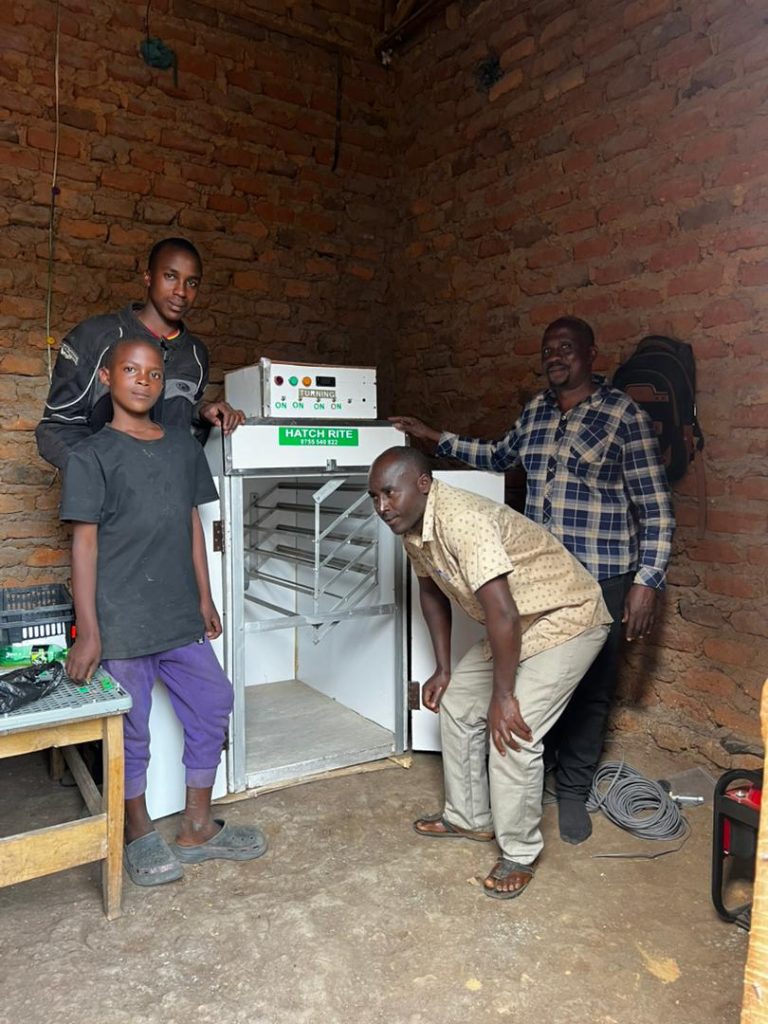 The ripple effects extend further. These farmers are now not only producing for themselves but also offering incubation services to neighboring communities, creating new income streams and local employment opportunities.
A Shift in Rural Livelihoods
In regions like Iganga and Jinja, where sugarcane farming dominates, Hatchrite’s technology is providing an alternative to seasonal and often unsustainable income sources.
“Instead of leasing land for a one-time payment, poultry offers daily income,” Nakalema says. “With layers, farmers earn from eggs every day. It’s more stable and sustainable.”
This shift is particularly significant in a country where smallholder farmers account for about 80% of poultry production. With Uganda’s poultry output projected to grow by at least 5% by 2027, scalable solutions like Hatchrite’s could play a crucial role in meeting demand.
Beyond Incubators: Expanding the Value Chain
Hatchrite is also diversifying its offerings. In addition to selling incubators, the company operates hatcheries and supplies day-old chicks to farmers at affordable prices. It has recently launched a 3,000-capacity hatchery in Mbarara, with plans for expansion as demand rises.
The company is further exploring value addition through products like eggshell powder, a calcium supplement for both human and animal consumption. Looking ahead, Hatchrite plans to establish slaughterhouses and expand into processed poultry products such as sausages and packaged meat, aiming to capture more value across the poultry supply chain.
Real Impact on the Ground
For beneficiaries like Babirye, a poultry farmer, the difference has been transformative.
“Before, we used local methods where hens incubated eggs themselves. It was slow and limiting,” she says. “Now with the incubator and brooding system, we produce more chicks and manage them easily. The system is efficient, and the birds thrive better.”
The new brooding systems have also replaced traditional charcoal heating methods, reducing labor and improving safety and consistency.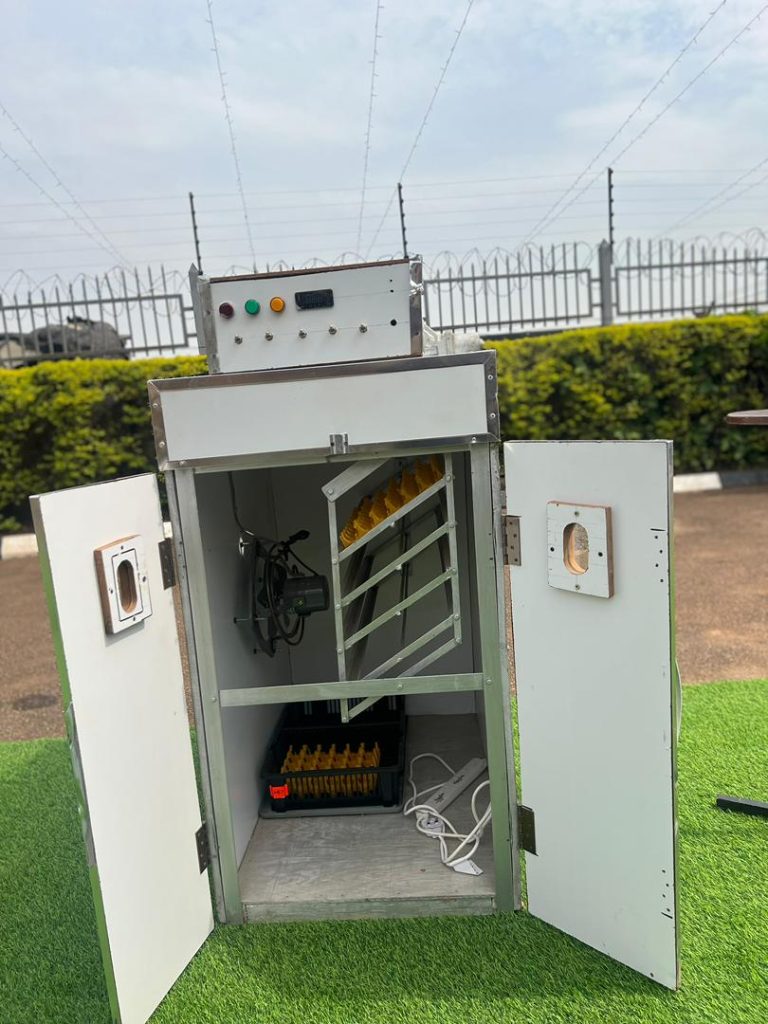 Challenges and the Road Ahead
Despite its success, Hatchrite faces hurdles, particularly in sourcing key components like sensors and gears, which are not readily available in Uganda. Access to quality parent stock for broilers and layers also remains a constraint, limiting the company’s ability to meet growing demand for day-old chicks.
Still, Nakalema remains optimistic, calling for partnerships and regional collaboration to overcome these bottlenecks.
Empowering the Future of Agriculture
Hatchrite’s story underscores the importance of investing in youth-led innovation and agribusiness. Through initiatives like the aYute Africa Challenge and SAYE, startups are not only scaling commercially but also delivering tangible benefits to communities.
By equipping farmers with modern tools, creating jobs, and promoting sustainable income streams, Hatchrite is helping reshape Uganda’s poultry sector.
As the company continues to expand, its mission remains clear: to empower farmers, strengthen food systems, and drive inclusive agricultural growth across Uganda and beyond.