


NAMUGONGO-JANDA, Uganda: The presiding Bishop of the Antiochian Orthodox Catholic Church, Jacinto Kibuuka, has urged the government to prioritize planning and compassion in its ongoing eviction of street vendors, warning that abrupt displacement without alternatives could fuel crime and deepen economic suffering.
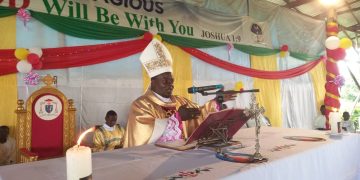
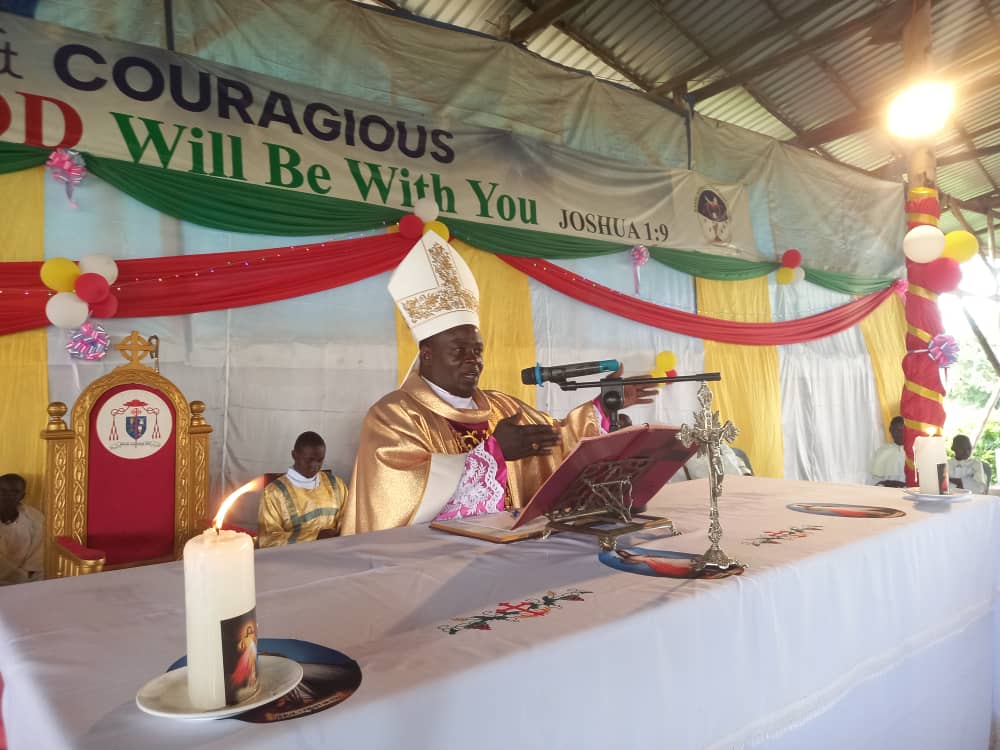
Speaking during Easter Sunday prayers at Mamre International Prayer Centre in Namugongo, the bishop criticized the manner in which vendors are being removed from streets and roadsides across the country. He described the evictions as harsh and poorly thought out, emphasizing that the affected individuals are not only economic contributors but also citizens who participate in national processes and community life.
“These are the same people who vote for leaders and come to church,” he said. “Today they are angry, burdened by loans, and uncertain about how they will survive.”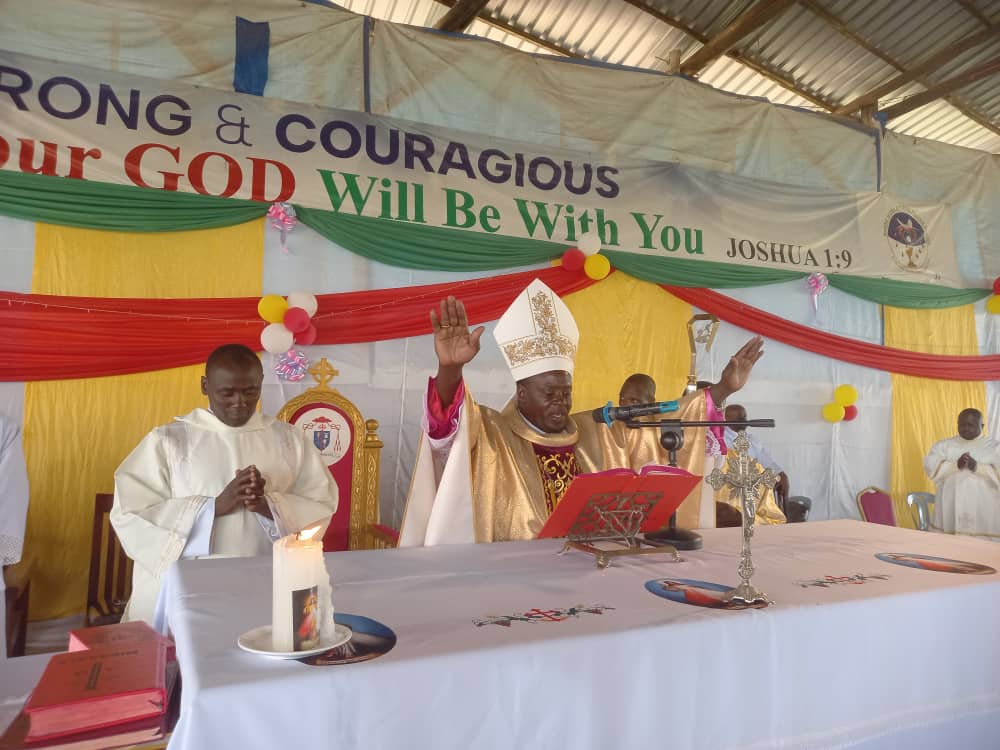 His remarks come in the wake of a major operation launched in February 2026 by the Kampala Capital City Authority, with support from security forces, to clear street vendors from the central business district. The initiative, part of a broader “Smart City” agenda, targeted key areas including busy downtown streets and market zones, aiming to reduce congestion, improve sanitation, and restore order.

While authorities have maintained that alternative market spaces have been secured for thousands of vendors, critics argue that the relocation efforts are insufficient or impractical, leaving many traders without viable options. Reports of destroyed stalls and confiscated goods have further fueled public concern.
Bishop Kibuuka warned that removing people from their livelihoods without proper transition plans risks unintended consequences. He stressed that many vendors rely on daily earnings to repay loans and support their families, and that sudden disruption could push some into desperation.
“We are going to witness crime as a result of people losing the only businesses they depended on,” he said, adding that development efforts should not come at the expense of ordinary citizens’ survival.
He clarified that street regulation itself is not wrong, but must be handled with foresight and inclusivity. “Chasing them from the streets should not be the problem if there is a clear and well-prepared destination for them,” he noted.
The bishop also pointed out the contradiction in efforts to expand Uganda’s money economy while simultaneously limiting access to informal work opportunities. He called on leaders to support grassroots enterprise and reduce unemployment by enabling, rather than restricting, small-scale traders.
Beyond economic concerns, Bishop Kibuuka used the Easter platform to call for prayers for peace both locally and globally. He expressed deep concern over ongoing conflicts in the Middle East, saying no human being deserves to lose their life to violence.
He also strongly condemned recent acts of brutality within Uganda, including a shocking attack at an early childhood development center in Ggaba – Makindye Division that claimed the lives of four young children. Describing the incident as one of the most disturbing in recent memory, he called for collective prayer and action to end such violence.
“We need God’s intervention to stop these killings,” he said solemnly.
As the country grapples with balancing urban order and economic survival, the bishop’s message highlights a growing call for policies that are not only effective, but humane and inclusive.