


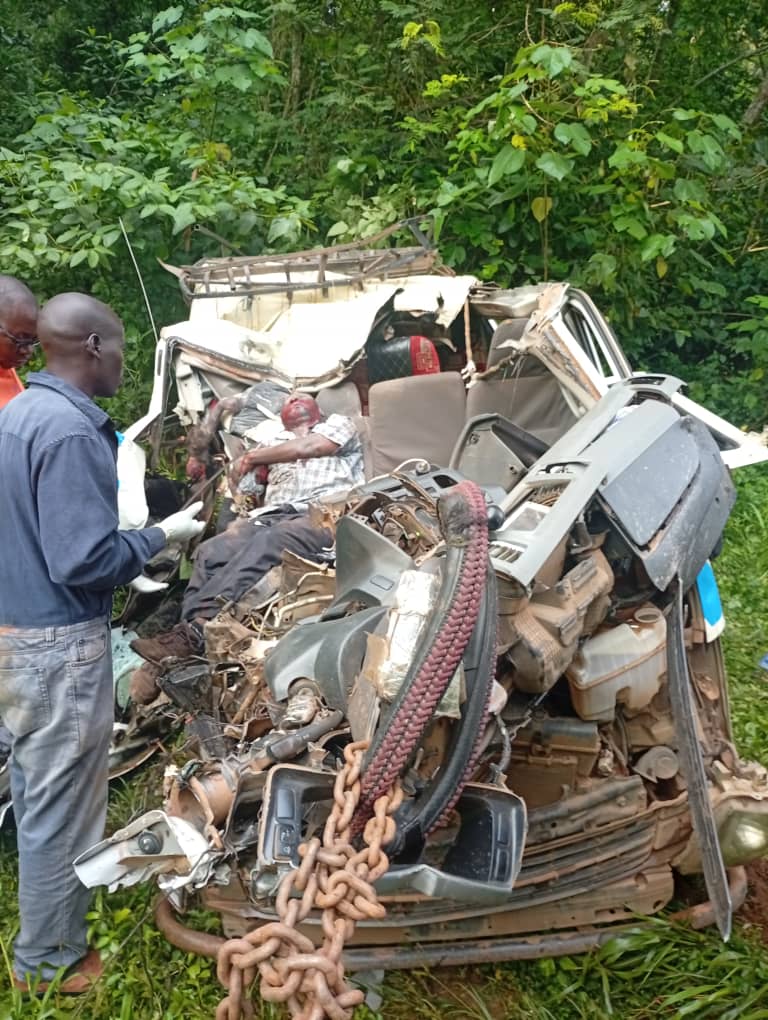
Uganda’s roads are becoming increasingly deadly, and the latest figures paint a troubling picture of preventable loss.
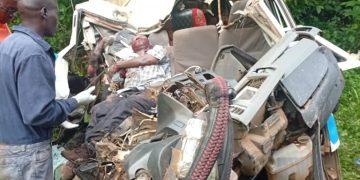
The Uganda Police Annual Crime Report for 2025 reveals that 4,602 people lost their lives in road crashes last year, a 3.8 percent increase from 2024.
Behind many of these tragedies lies a familiar and frustrating reality, speeding and careless overtaking, together responsible for nearly half of all fatal accidents, the Directorate of Traffic and Road Safety spokesman, Michael Kananura says.
He says these are not obscure or unavoidable causes, but are split-second decisions made behind the wheel, often with irreversible consequences.
As the numbers climb, authorities are also intensifying efforts to confront what has become a national safety crisis.
At the center of this response is the roll out of a renewed wave of enforcement operations under the campaign dubbed “Arrive Alive.”
Across the country, traffic officers have been deployed, cracking down on reckless driving habits that continue to claim lives daily.
From drink driving and unlicensed motorists to dangerous overloading and illegal vehicle modifications, the operation is casting a wide net in an attempt to restore discipline on the roads.
Kananura says enforcement alone is not enough, stressing that the lasting change must also come from within communities, where attitudes toward road use are often formed.
That is why sensitisation campaigns have become a key pillar of the strategy among drivers and in communities. Officers are now reaching out to schoolchildren, boda-boda riders, taxi operators, and other vulnerable road users, urging them to adopt safer habits before they become statistics.
In the Rwenzori sub-region, the urgency of this message is particularly stark.
A recent three-day campaign led by Acting Senior Commissioner of Police Norman Musinga brought together a cross-section of local leaders and stakeholders, from business owners and market vendors to religious figures and transport operators.
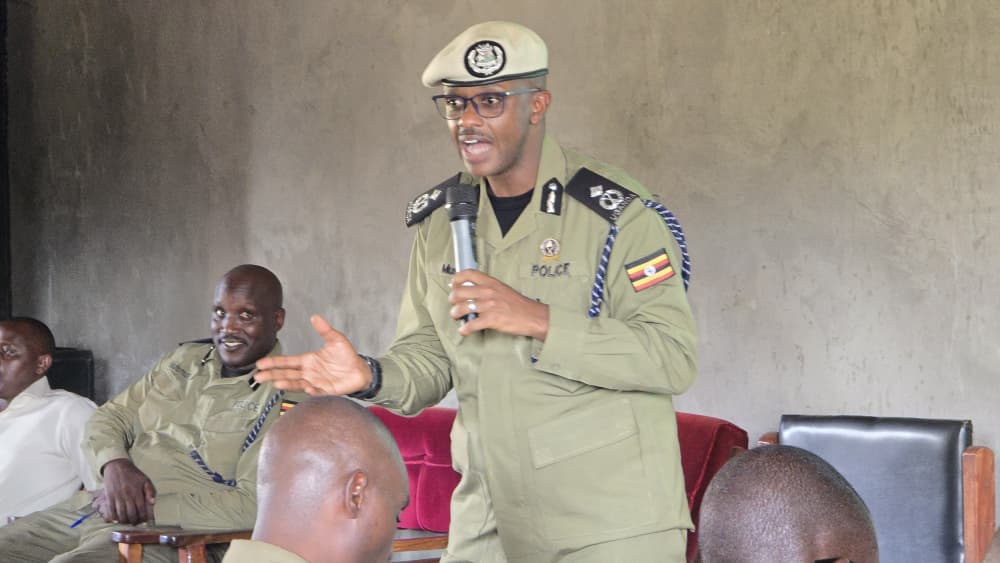
The aim was to turn influential community voices into advocates for road safety, spreading awareness far beyond police checkpoints.
The numbers in the region underscore why such efforts are critical.
Rwenzori West, which spans nine districts, recorded 176 road deaths, while Rwenzori East reported 57 fatalities across its five districts and divisions. Each figure represents a life lost, a family changed, and a reminder of the cost of inaction.
Authorities say the campaign model used in Rwenzori will be extended to other high-risk regions as part of a broader push to reverse the upward trend in road deaths. Yet even as enforcement tightens and awareness grows, officials acknowledge that the ultimate responsibility lies with road users themselves.
For many, the difference between life and death on Uganda’s roads may come down to a single choice, whether to slow down, follow the rules, and value the lives of others as much as their own.