




The Country is facing a growing fuel crisis as supply disruptions linked to escalating conflicts in the Middle East, leaving motorists stranded and businesses bracing for tougher days ahead.
Across Kampala and its surrounding areas, many fuel stations have run dry, with pump attendants turning away frustrated drivers and riders. Long queues have become a common sight at the few stations still dispensing fuel, signaling the strain on the country’s supply chain.
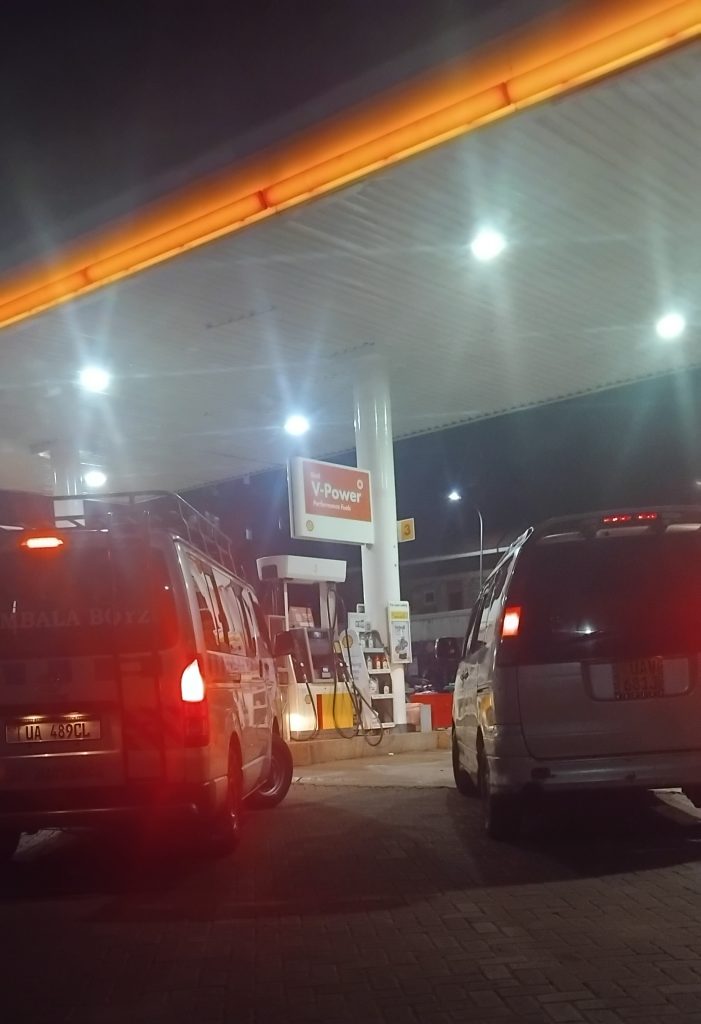
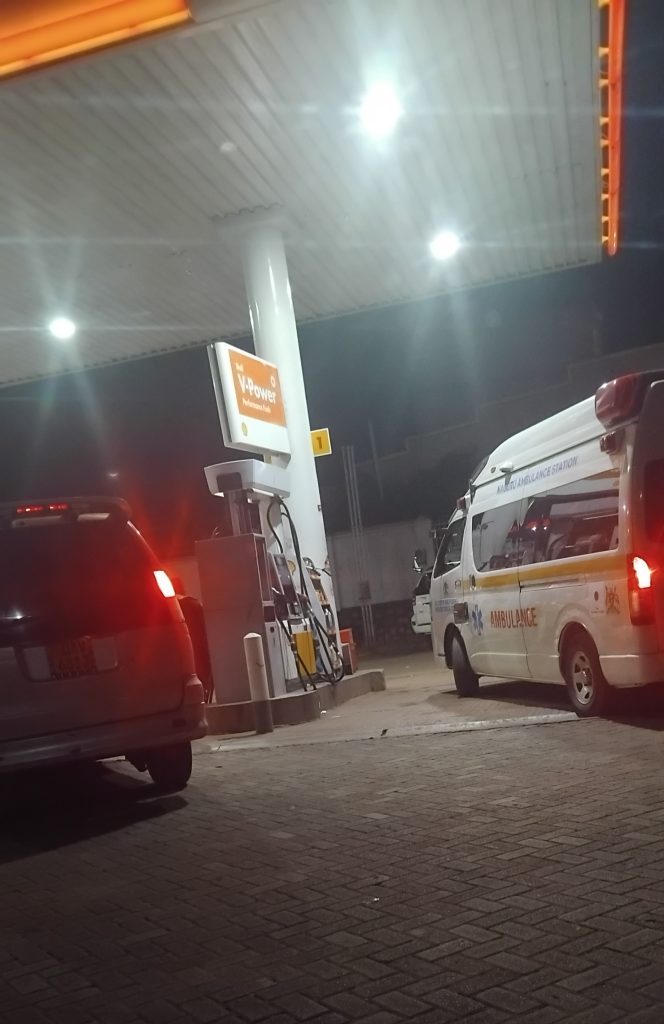
By Tuesday evening, the situation had intensified in several suburbs. At a Shell station in Nansana, slightly opposite Pastor Wilson Bugembe’s church, motorists lined up late into the night in a desperate attempt to secure fuel.

By 10 p.m., both vehicles and motorcycles were still streaming in, forming extended queues as they waited for their turn at the pumps. However, the available fuel at such stations has been limited to V-Power, a premium product that many motorists typically avoid due to its higher cost.
With few alternatives, drivers have been forced to purchase it at approximately UGX 5,600 per litre, significantly raising transport costs overnight.
“I have no choice,” said one boda boda rider in the queue. “I need to work tomorrow, and this is the only fuel available.”
Meanwhile, some fuel points including TotalEnergies and Stabex stations, have reportedly run out of stock. At these outlets, attendants could only inform customers that there was no fuel available, with no clear indication of when supplies would be restored.
The shortage is being attributed to disruptions in global oil supply routes, triggered by renewed instability and conflict in the Middle East, a region critical to the world’s petroleum production and export.
Analysts warn that such geopolitical tensions often lead to reduced output, higher shipping costs, and delayed deliveries, all of which ripple down to import-dependent countries like Uganda.
Transport operators are among the hardest hit, with some already warning of impending fare increases if the situation persists. Businesses that rely heavily on fuel, including logistics and manufacturing firms, are also beginning to feel the pressure.
For now, uncertainty remains high, and Ugandans are left grappling with long queues, rising costs, and an unpredictable fuel market.