



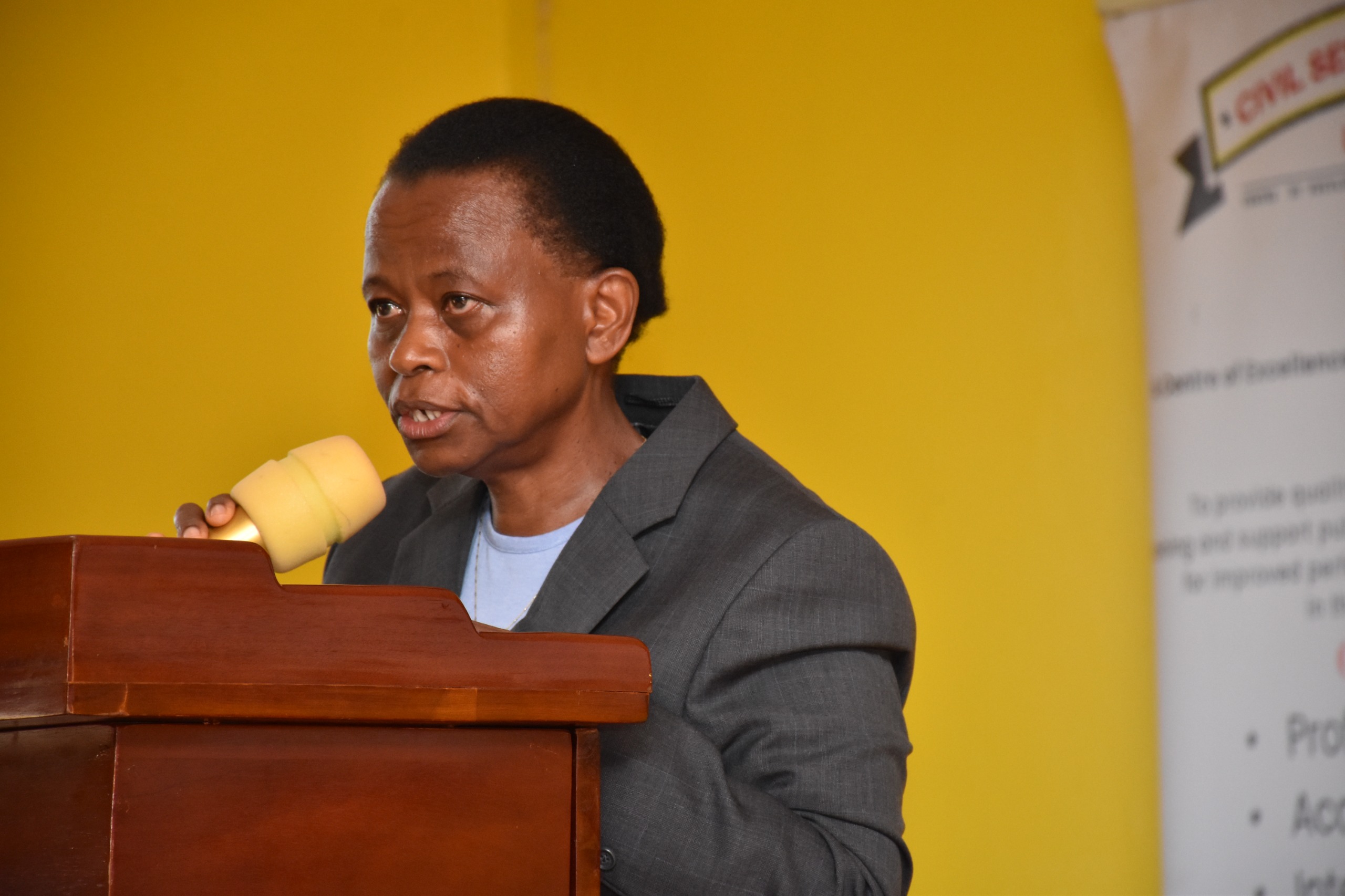
Uganda’s Head of Public Service and Secretary to Cabinet, Lucy Nakyobe, has unveiled far-reaching reforms aimed at tightening accountability and tackling entrenched inefficiencies within the civil service, declaring that job security will now depend on performance.
Speaking during a high-level meeting with local government human resource managers and Secretaries to District Service Commissions at the National Leadership Institute in Kyankwanzi on Tuesday, Nakyobe signaled a decisive shift away from the long-held guarantee of permanent and pensionable employment.
She said the government intends to amend standing orders so that such status will only apply to public servants who meet clearly defined targets.
The reforms come amid growing concern over complacency and weak oversight in public institutions.
Nakyobe warned that routine laxity would no longer be tolerated, emphasizing that stricter monitoring, inspection, and evaluation mechanisms will be enforced. She criticized some officials for neglecting their responsibilities, cautioning that the era of “business as usual” in government offices is coming to an end.
A key element of the reform agenda is the introduction of mandatory rotations for senior officials.
Permanent Secretaries and heads of departments will serve fixed three-year terms before being transferred, a move Nakyobe said is intended to curb patronage networks and prevent the entrenchment of influence.
Resistance to transfers, she warned, will result in dismissal.
Nakyobe also took aim at widespread allegations of corruption and unprofessional conduct among human resource managers, accusing some of mistreating subordinates and engaging in unethical practices.
She acknowledged that corruption extends beyond district-level bodies to central institutions, describing it not as a mere allegation but as a systemic challenge undermining public service delivery.
She pointed to flaws in the appointment process for District Service Commissions, where political recommendations can compromise independence and foster loyalty-based decision-making.
Proposals are underway to reform the selection process in a bid to restore integrity and reduce conflicts of interest.
Highlighting the critical role of human resource managers, Nakyobe stressed that compromised recruitment processes weaken the entire system by allowing unqualified or unethical individuals into public service.
She urged HR officials to go beyond administrative functions and take responsibility for the welfare, discipline, and integrity of government workers.
Meanwhile, Ben Kumumanya, Permanent Secretary in the Ministry of Local Government, echoed the call for accountability, warning against the sale of jobs in local governments.
He encouraged citizens to report corruption, noting that lack of evidence remains a major obstacle to prosecuting offenders.
Despite the risks involved, he urged whistleblowers to remain committed, stressing that meaningful reform requires collective effort and vigilance.