





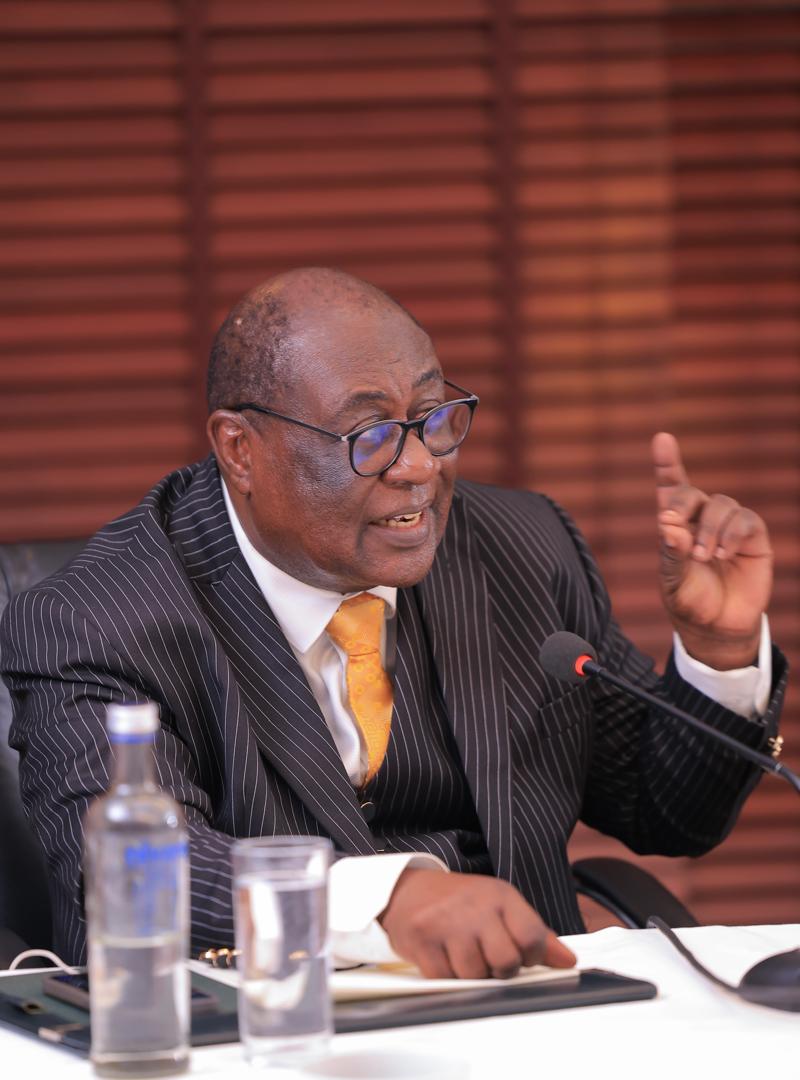
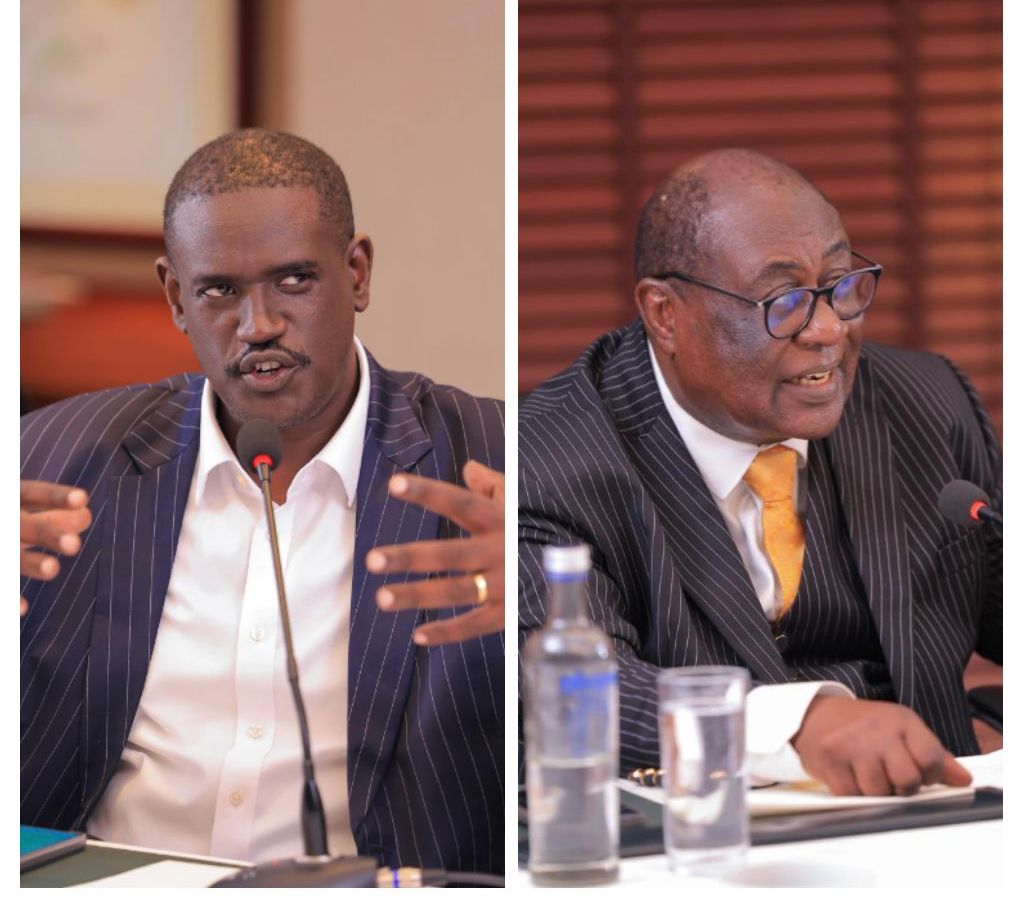
Uganda’s newly appointed Attorney General, Dr. Sam Mayanja, has unveiled an ambitious vision for reforming land administration, resolving long-standing land conflicts, improving judicial efficiency, and strengthening governance, during a wide-ranging interview on JSC Conversations hosted by renowned lawyer Elison Karuhanga.
Dr. Mayanja said reforms implemented in Uganda’s land administration system have significantly increased government revenue collection while reducing corruption and inefficiency.
According to the Attorney General, revenue from land offices has risen dramatically from approximately Shs3 billion to nearly Shs1 trillion without increasing stamp duty or any government fees.
He attributed the increase to the digitization of land services and the elimination of middlemen and brokers who previously exploited the system.
“The system is now efficient and transparent. The money goes directly to government instead of brokers,” he said.
Dr. Mayanja explained that the upgraded Land Information System now allows land transactions to be completed within a single day once stamp duty is paid. He revealed that government is moving towards fully mobile-based services that will enable citizens to monitor the status of their land titles using their phones.
On the persistent problem of double titling, Dr. Mayanja maintained that the solution lies in the strict application of existing laws.
“You cannot have two people legally owning the same piece of land,” he said, adding that the law clearly establishes that the title registered first in time should prevail while all subsequent titles must be cancelled.
He described the challenge as a legal problem requiring legal solutions rather than political compromises.
The Attorney General also highlighted what he termed as constitutional inequalities within Uganda’s land tenure system, arguing that nearly 70 percent of Ugandans do not have land ownership rights fully vested in them despite constitutional guarantees that land belongs to citizens.
He particularly pointed to the challenges facing both mailo landowners and kibanja holders, saying the current arrangement limits access to credit and economic development.
“The title holder cannot easily secure financing because banks are reluctant to accept titles occupied by kibanja holders, while kibanja holders themselves cannot use their interests as collateral. As a result, both parties remain economically constrained,” he noted.
Dr. Mayanja questioned compensation claims amounting to trillions of shillings related to kibanja interests, arguing that such figures do not reflect the actual legal value prescribed under existing laws.
He further urged greater use of provisions within the Registration of Titles Act, which allow long-term occupants of mailo land who have undertaken economic development and remained undisturbed for more than twelve years to apply for ownership under freehold tenure.
Addressing historical land disputes involving traditional institutions, Dr. Mayanja argued that many claims concerning assets allegedly confiscated under the 1967 Constitution are not supported by legal history.
He called for amendments to the Traditional Rulers Act of 1993 to align it with the current Constitution, particularly regarding the rights of kibanja holders and the legal framework governing land held in trust by traditional leaders.
Reflecting on his tenure at the Ministry of Lands, Housing and Urban Development, Dr. Mayanja cited interventions in land conflict areas such as Sentema, where he said government action restored confidence among affected residents.
“I saw people regain hope because they realized government was protecting them,” he said.
Turning to judicial reforms, the Attorney General proposed a novel approach to addressing case backlog by appointing experienced private lawyers as acting judges for fixed one-year terms.
Under his proposal, the Chief Justice could appoint up to 30 acting judges in specialized divisions including land, criminal and commercial courts to rapidly clear pending cases without significantly expanding the permanent judiciary.
“This would be a temporary solution with a fixed budget that could eliminate much of the backlog within a year,” he argued.
Dr. Mayanja also expressed concern about the practice of appointing judges on probation, questioning its implications for judicial independence and public confidence in court decisions.
He urged the Uganda Law Society to engage in discussions on the issue, stressing the need to safeguard the integrity of judicial appointments.
The Attorney General further called for restraint in the exercise of judicial authority, warning against excessive contempt of court penalties that could undermine public confidence in the justice system.
On the welfare of government lawyers, Dr. Mayanja advocated for improved remuneration, noting that many public attorneys handle multi-billion-shilling transactions and litigation while earning relatively modest salaries.
He argued that better compensation would improve morale and strengthen government legal services.
Discussing his appointment as Attorney General, Dr. Mayanja described the position as one of the most sensitive constitutional offices in Uganda and expressed gratitude to President Yoweri Museveni for entrusting him with the role.
“This is the only ministerial appointment whose qualifications and functions are expressly provided for in the Constitution. I am humbled by the confidence placed in me,” he said.
Despite recent improvements in judicial salaries, retirement benefits, accommodation and staffing levels, Dr. Mayanja questioned why significant case backlogs persist within the courts.
“The package has improved, the numbers have increased, and the facilities have been enhanced. The question now is why the backlog remains,” he observed
Dr. Mayanja also revealed that he is preparing to publish a book documenting his experiences and legal perspectives acquired over years of public service. The publication is expected within the coming months.
Throughout the interview, the Attorney General emphasized his guiding philosophy of strict adherence to the law.
“Read the law as it is. Apply it as it is. If you do not want to apply it, then amend it. Do not do what you want to do,” he said.
The interview offered a rare and comprehensive insight into Dr. Mayanja’s reform agenda as Uganda’s chief legal advisor, highlighting his commitment to legal certainty, administrative efficiency and institutional transformation.