



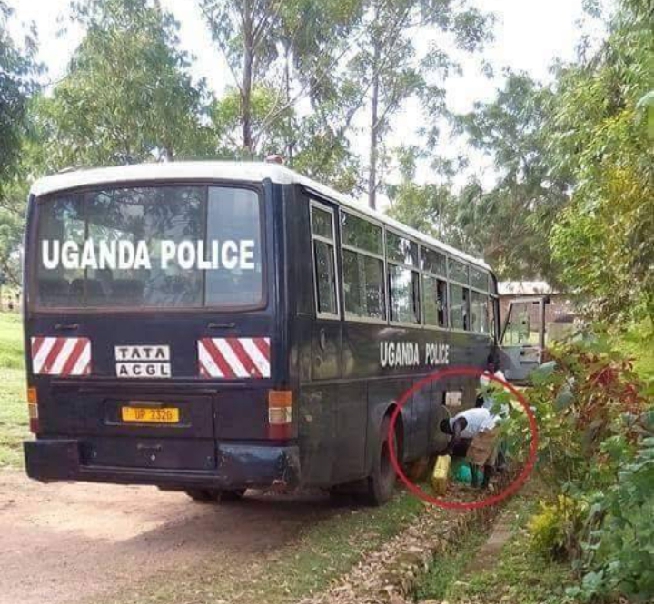
Police in Kiboga District have intensified efforts to combat fuel siphoning and the theft of road construction materials after an intelligence-led operation led to the arrest of a suspected key player and the recovery of several exhibits linked to the illegal trade.
The operation, conducted on June 17, 2026, targeted criminal networks operating in Lwamata Town Council, area security agencies have identified as a hotspot for fuel theft and vandalism of materials intended for the ongoing Kampala–Kiboga–Kyankwanzi–Hoima road project.
According to investigators, organized groups have increasingly targeted fuel tankers, construction trucks, heavy machinery and storage facilities servicing major road projects.
Authorities say the theft of diesel, petrol, cement, iron bars and metallic road infrastructure not only causes financial losses to the government and contractors but also slows the implementation of critical public infrastructure.
During the operation, the Wamala region police spokesman, Lameck Kigozi reported that police arrested one Wilbur Muyanja, who is alleged to be a central figure in the illegal fuel trade.
Officers recovered 20 jerrycans containing suspected siphoned diesel, a Tata Prima truck registration number UBL 030A that was allegedly being siphoned, 47 iron bars believed to have been stolen from construction sites, 27 empty jerrycans used for transporting fuel, six siphoning tubes and hoses, two funnels and pumping accessories, and two mobile phones suspected to have been used to coordinate the criminal activities.
Preliminary findings indicate that stolen fuel is often sold through informal channels to small petrol stations and roadside fuel dealers, while construction materials such as cement and iron bars are reportedly diverted to local hardware businesses.
Metallic road infrastructure is frequently sold to scrap dealers.
The Kiboga operation is the latest in a series of crackdowns on fuel theft across Uganda.
In recent years, police and other security agencies have investigated multiple cases involving the siphoning of fuel from tankers transporting petroleum products to different parts of the country. Similar cases have been reported along major transport corridors, including highways connecting Kampala to western and northern Uganda, where criminal networks exploit vulnerable parking areas and isolated sections of the road to steal fuel.
Several suspects have previously been arrested in connection with fuel diversion schemes involving tanker drivers, brokers and illegal fuel dealers.
Security experts warn that fuel siphoning is not a victimless crime. Apart from causing economic losses, the practice poses significant dangers to both perpetrators and the public.
Petrol and diesel are highly flammable substances, and improper handling during siphoning operations can trigger fires, explosions and environmental contamination.
Fuel spills can pollute soil and water sources, while poorly stored petroleum products increase the risk of deadly accidents in residential and commercial areas.
Authorities also note that fuel theft undermines confidence in the country’s fuel supply chain and creates opportunities for the circulation of adulterated petroleum products, which can damage vehicle engines and compromise fuel quality standards.
Police cautioned members of the public against participating in the purchase, transportation or concealment of stolen fuel and construction materials, warning that those found aiding or abetting such crimes will face prosecution. Investigators say intelligence networks remain active across the region and are closely monitoring individuals suspected of involvement in the illegal trade.
Police vowed to sustain operations targeting criminal groups that profit from fuel theft and the vandalism of infrastructure projects, describing the offences as acts of economic sabotage that threaten Uganda’s development agenda.