


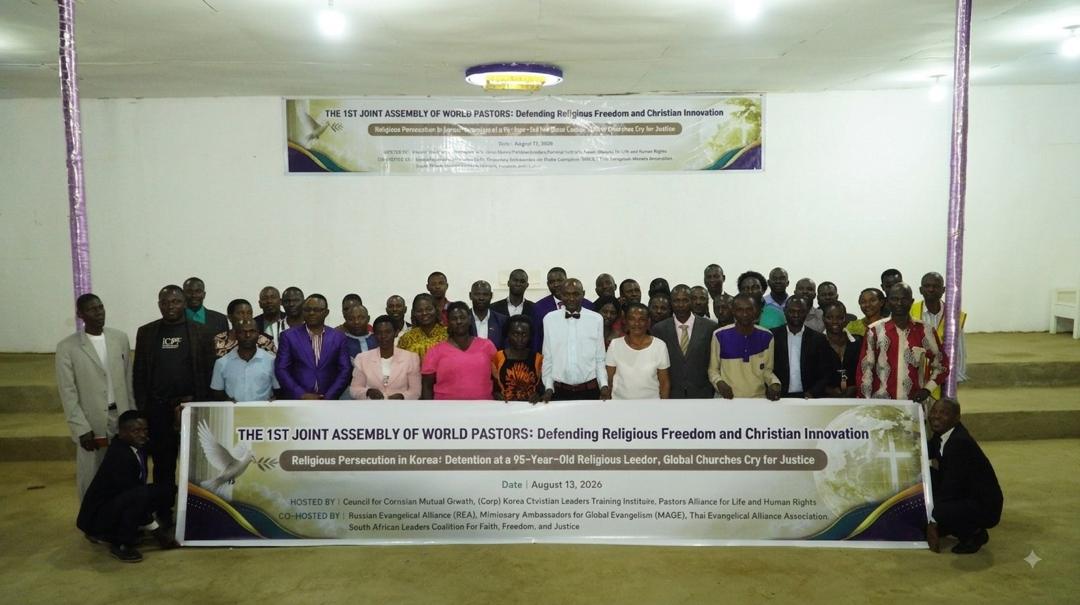
More than 3,000 pastors from 55 countries have expressed concern over what they describe as growing threats to religious freedom in South Korea, citing alleged government interference in religious affairs, taxation of overseas mission donations, proposed legislation on the dissolution of religious corporations and the detention of religious leaders.
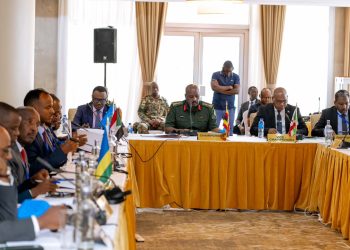
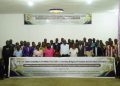
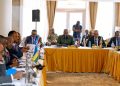
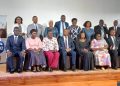
The concerns were raised on Thursday, August 13, 2026, during the First World Pastors’ Joint Assembly, co-hosted by five Christian organisations—the Korean Christian Coexistence Council, the Korea Christian Leaders Training Institute, Pastors’ Solidarity for Life and Human Rights, the Russian Evangelical Alliance and the Thailand Evangelical Association.
According to the organisers, the assembly brought together 3,156 pastors from 55 countries, while an additional 661 pastors in South Korea participated through live broadcasts from 16 regional venues.
 The organisers said the meeting was convened to highlight what they described as serious violations of religious freedom and an erosion of the principle of separation between church and state in South Korea.
They argued that the concerns cut across individual denominations and religious organisations, warning that administrative, tax and judicial measures could have wider implications for religious freedom.
Concerns over taxation and proposed dissolution law
Participants particularly criticized the taxation of donations sent by churches to overseas mission fields, arguing that such measures could interfere with religious and missionary activities.
They also raised concerns over discussions surrounding a proposed Religious Corporation Dissolution Bill, which they said could give the state broad powers to dissolve religious organisations.
Kim Gun, Chairman of the Yeongnam Presbytery of the Presbyterian Church of Korea (Hapdong Jungang), described the taxation of overseas mission donations as an unjustified state intrusion into church activities.
He also warned that legislation allowing the state to dissolve religious corporations could create a precedent that might eventually affect churches across different denominations.
Rev. Lim Young-woong of the Presbyterian Church of Korea similarly argued that discussions concerning the dissolution of a religious corporation should be viewed as a wider religious freedom issue rather than a matter affecting only one denomination.
Concerns over detention of religious leaders
The assembly also criticised what participants described as excessive custodial investigations and judicial pressure against religious leaders.
Particular attention was drawn to the detention and legal proceedings involving Lee Man-hee, chairman of Shincheonji, with participants describing the treatment of elderly religious leaders as a serious human rights concern.
The participants argued that criminal investigations and detention should respect the constitutional presumption of innocence and applicable legal safeguards.
Call to protect separation of church and state
The assembly called for greater protection of the principle of separation between church and state, arguing that religious organisations should be protected from arbitrary state intervention in their internal affairs and doctrines.
Kim said the separation of church and state was an important safeguard for democracy and religious freedom, warning against what he described as targeted tax investigations and attempts to use legal mechanisms to exert pressure on religious organisations.
Rev. Rugagi Innocent of the Rwanda Evangelical Church in Africa said churches in Africa had experienced the consequences of excessive state intervention in religious affairs.
He called on churches around the world to stand in solidarity with religious communities in South Korea in defence of religious freedom.
Joint statement
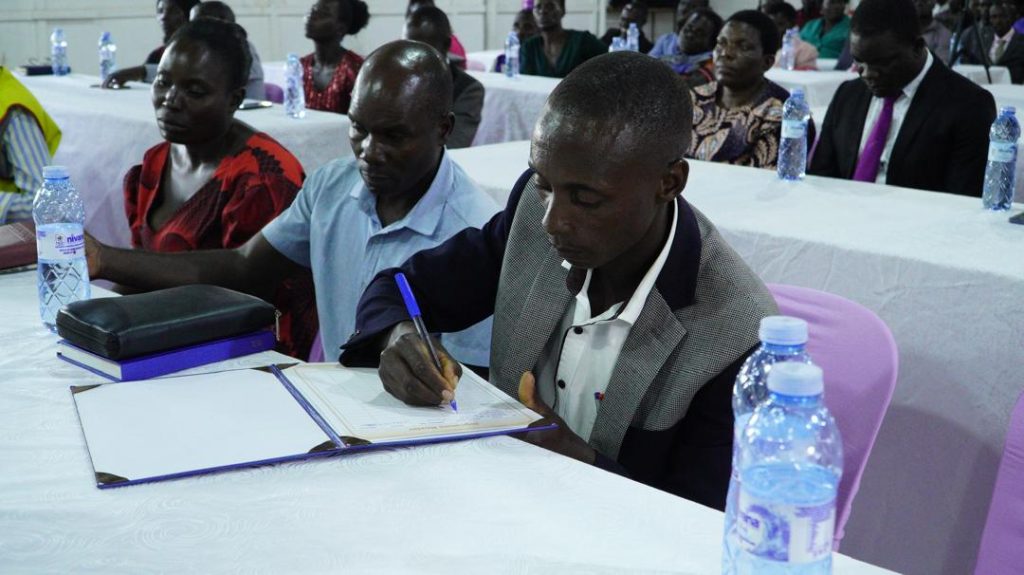
The assembly concluded with the adoption of a Joint Statement reportedly signed by about 2,000 pastors from around the world.
The statement called for an end to what the participants described as religiously biased suppression by government and political actors, an end to trial by public opinion within the judiciary, respect for the presumption of innocence, and the granting of bail and release of very elderly religious leaders.
The organisers said the issues raised at the assembly should not be viewed as affecting only one denomination, but as broader concerns about religious freedom in South Korea.
They pledged to continue working with international human rights organisations and churches around the world until, they said, the principles of fair justice, religious freedom and separation of church and state are upheld.