


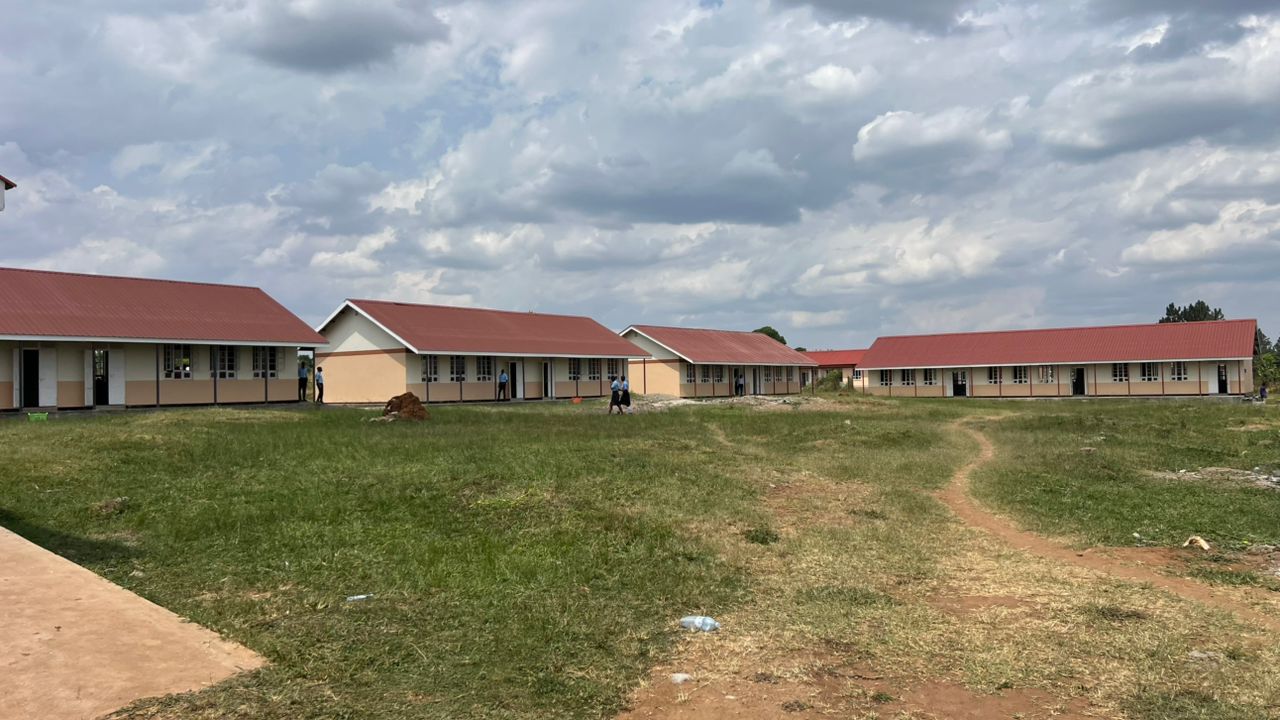
MASINDI DISTRICT, Uganda — Masindi District authorities are considering an investigation into construction company Imperio following prolonged delays in the construction of Kijunjubwa Seed Secondary School, a government-funded project that has remained incomplete for more than five years since works commenced.
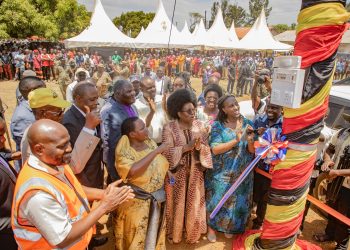
The development emerged during an inspection visit by officials from the Inspectorate of Government (IG) and other anti-corruption agencies currently conducting the Anti-Corruption Caravan 2026 across the Bunyoro sub-region.
The school project, which was initially awarded to CMD Construction Company, was expected to be completed within 18 months. However, five years later, major sections of the facility remain unfinished, raising concerns among district leaders, anti-corruption officials, and local residents.
According to district authorities, CMD allegedly abandoned the project before completion, after which the contract was reportedly taken over by another company operating under the name Imperio. Questions have since emerged regarding the relationship between the two firms.
Speaking during the site visit, Masindi District Chairperson Owobusobozi Patrick said authorities were seeking clarification on whether Imperio is genuinely a separate contractor or linked to the original company.
“I confirm what has been the information that has been on the ground, that works have taken too long. It has been five years since the commencement of this project of Kijunjubwa Seed School,” he said.
Patrick noted that while financial challenges had been cited as a reason for the delays, the district leadership was under pressure to ensure the school is completed because learners urgently need the facilities.
“Other schools in the same programme were completed within 18 months. We are giving the contractor a chance because our children have to study, but we shall be here frequently to ensure this project is completed,” he added.
The district chairperson revealed that approximately Shs200 million is still required to complete the remaining works.
He further disclosed that district leaders are still reviewing project documents to establish the contractual arrangements between CMD and Imperio.
“The first contractor, CMD, abandoned the project. A sister contractor took it over under the name Imperio, but we are yet to confirm whether the sister company is actually different from the original contractor,” he said.
The concerns were amplified by officials from the Inspectorate of Government, who conducted an on-site assessment following complaints raised during a meeting with district technical staff and political leaders.
Christine Lamwaka, Manager for Advocacy and Capacity Building at the Inspectorate of Government, said the inspection revealed that substantial work remains unfinished despite assurances from site managers that the project could be completed within two weeks.
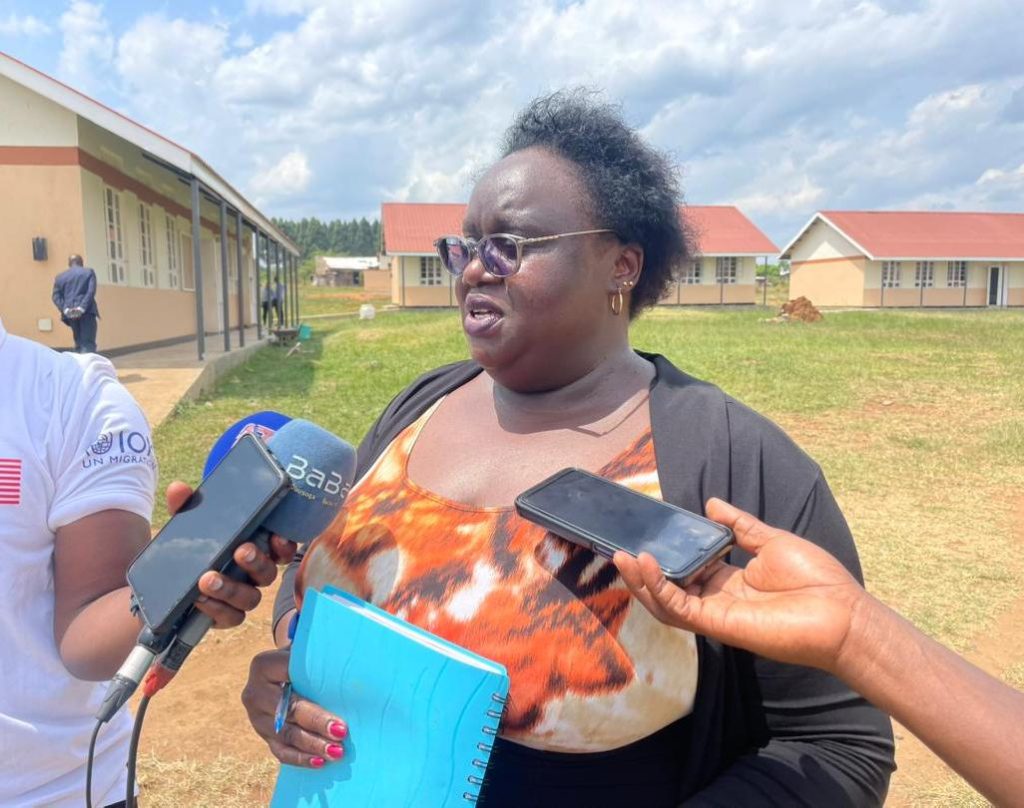
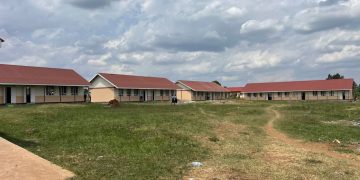
“During our inspection, we noted that the work is far from finished. The staff houses are incomplete, some painting is still ongoing, and the toilets have not been completed,” Lamwaka said.
Although site supervisors informed the delegation that construction would be completed within a fortnight, Lamwaka expressed skepticism.
“We do not believe that the work will be completed in two weeks. The workers on site are very few, and the materials available are quite inadequate for the amount of work remaining,” she said.
According to Lamwaka, the site foreman attributed the delays to a shortage of construction materials, claiming workers had not been supplied with the resources needed to continue work. The contractor has reportedly pledged to deliver the required materials and increase manpower on site.
The Inspectorate emphasized that its immediate priority is ensuring the school is completed and made available for use by learners before any accountability processes are concluded.
“The children need these facilities. Our urgent concern is to have the structures completed so that students can use them. After that, we shall review the actions of all duty bearers and the contractor to determine who delayed the project, whether public funds were properly utilized, and whether contractual obligations were fulfilled,” Lamwaka explained.
She added that investigators would examine Bills of Quantities (BOQs), project expenditures, and other contractual documents to establish responsibility for the prolonged delay.
The Anti-Corruption Caravan 2026 has brought together several state and non-state actors, including the Inspectorate of Government, ActionAid International Uganda, Transparency International Uganda, the State House Anti-Corruption Unit, the Office of the Auditor General, and the Evidence and Methods Lab.
The week-long campaign aims to engage communities in the fight against corruption through public dialogues, inspections, and accountability assessments across the Bunyoro region.
As part of the follow-up measures, the Inspectorate of Government’s Hoima Regional Office is expected to revisit the Kijunjubwa Seed School site within two weeks to assess progress and determine whether the contractor has fulfilled commitments made during the inspection.
The delayed project has become a symbol of growing concerns over accountability in public infrastructure projects, with residents and leaders now hoping that the latest intervention by anti-corruption agencies will finally deliver the long-awaited school to the community.