


Uganda’s President Yoweri Museveni has ordered the suspension of senior officials and launched a high-level corruption investigation into a flagship highway project, in a move that has sent shockwaves through the country’s infrastructure sector.
The action targets the Busega–Mpigi Expressway, a key transport corridor linking the capital Kampala to central Uganda, where costs have reportedly surged from about 600 billion shillings to more than 1.3 trillion shillings amid allegations of fraud, route manipulation and inflated compensation claims.
In a directive issued to the Inspector General of Government, Museveni ordered the suspension of three senior engineers in the Ministry of Works and Transport while also instructing Permanent Secretary Waiswa Bageya to step aside pending investigations. An acting permanent secretary has been appointed to oversee the ministry during the probe.
The President accused officials involved in the project of altering the original highway alignment in ways that allegedly benefited private interests, triggering fresh land compensation payments on sections that had already been surveyed and paid for.
He further alleged that these changes contributed to a dramatic escalation in project costs, despite only part of the road being completed.
Museveni described the situation as a serious case of financial abuse in public infrastructure development, pointing to discrepancies between the funding received from the African Development Bank and the actual progress on the ground.
He also directed state investigators, supported by the Auditor General’s office, to determine how large portions of the project budget were expended before completion.
The controversy comes despite earlier official assurances from project engineers and oversight bodies that the expressway was progressing within acceptable parameters, though concerns had already been raised about encroachment on the road corridor, compensation irregularities and delays.
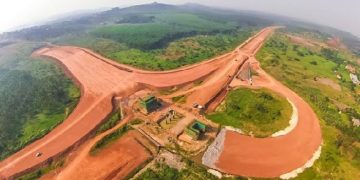
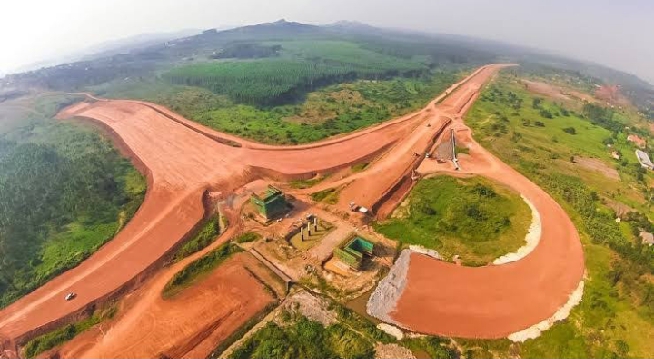
The Busega–Mpigi Expressway is one of Uganda’s most significant road infrastructure projects, designed to reduce congestion on the Kampala–Masaka route and improve regional trade links.
It features multiple interchanges, toll infrastructure and feeder roads intended to transform transport efficiency in the region.
Authorities have yet to receive formal responses from the suspended officials or the Ministry of Works and Transport, as the investigation begins to unfold.
The development marks one of the most high-profile anti-corruption interventions in Uganda’s infrastructure sector in recent years, with implications for donor-funded projects and public trust in large-scale development programmes.