


KAMPALA, Uganda – Minister for Energy and Mineral Development Dr. Monica Musenero Masanza has apologised to Ugandans for the widespread electricity outages that have disrupted businesses, institutions and industries across the country, assuring the public that the interruptions are temporary and necessary to strengthen the national power network.
Speaking at the Uganda Media Centre on Wednesday, Minister for Energy and Mineral Development Dr. Monica Musenero Masanza acknowledged the frustration caused by the frequent blackouts and admitted that the government had not adequately communicated the reasons behind the outages. “We are with you. We hear you,” the minister said, apologising on behalf of the energy sector for the inconvenience and losses suffered by consumers.
The outages have affected several parts of Kampala over the past three weeks, including areas served by the Kampala North–Namanve and Kampala North–Mutundwe transmission lines. These include Kyambogo University, Ntinda, Kololo, Makerere, Kawempe, Kasubi, Namungoona and surrounding areas.
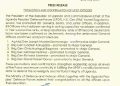
The ministry also announced that additional planned outages will affect parts of Masanafu, Natete, Busega, Lugala and nearby areas between July 31 and August 8, 2026, as critical works continue on the electricity network. Other districts, including Kakumiro and Mbale, have also experienced intermittent power disruptions.
According to Dr. Musenero, the outages are mainly the result of ongoing upgrades, rehabilitation and expansion of Uganda’s electricity transmission and distribution infrastructure to meet the country’s rapidly growing demand for power.
She said Uganda’s electricity access has now reached 62 percent, while the Uganda Electricity Distribution Company Limited (UEDCL) currently serves about 2.7 million customers. Since January this year, more than 76,000 new customers have been connected to the national grid, while about 500,000 applications for new connections are still pending.
Government plans to connect 300,000 additional customers within the next five months as more connection materials become available.
The minister identified four major causes of the current outages. These include major transmission improvement projects, overloaded transmission and distribution infrastructure, routine maintenance of electricity equipment, and vandalism targeting power infrastructure such as transformers, transmission towers, conductors and electricity poles.
She revealed that the Kampala Metropolitan Transmission System Improvement Project, funded by the Japan International Cooperation Agency (JICA), is now 91 percent complete and is expected to be finished by August 8, 2026.
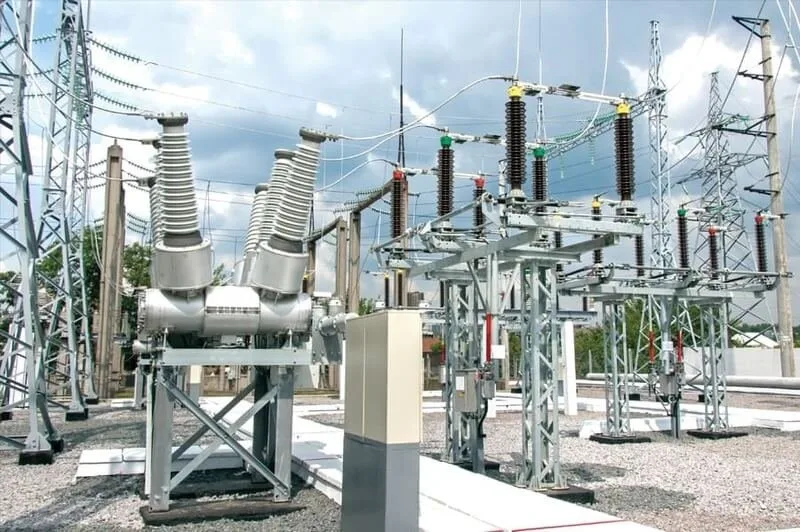
The project includes the construction of new substations at Maya in Buloba and Mukono, upgrades to substations at Kawaala, Mutundwe and Bujagali, reinforcement of critical 132-kilovolt transmission lines, and installation of a mobile substation at Namungoona.
Dr. Musenero explained that the planned shutdowns are necessary to allow engineers to safely replace ageing transmission lines and modernise the network, adding that the completed works will significantly improve electricity reliability and increase capacity to meet growing demand in Kampala and surrounding areas.
To improve electricity supply, government is accelerating the completion of transmission projects, reinforcing overloaded substations, replacing ageing transformers, expanding customer connections, acquiring mobile substations for temporary supply during maintenance and increasing investment in preventive maintenance.
The minister said the interventions are already yielding positive results, noting that electricity availability for large industrial customers has improved to 99.7 percent, while network uptime, customer service, revenue collection and response times to faults have all improved.
She also warned the public against vandalising electricity infrastructure, describing it as a national asset whose destruction causes avoidable outages and costly repairs. Ugandans were urged to report any suspicious activities around transmission lines, substations, transformers and electricity poles to the police, UEDCL or the Uganda Electricity Transmission Company Limited (UETCL).
The ministry further cautioned members of the public against paying cash to individuals claiming to facilitate electricity connections or meter installations. Dr. Musenero stressed that all UEDCL payments should only be made through authorised banks and approved electronic payment platforms, including mobile money, and advised the public to report any fraudsters.
She also announced that government has secured a substantial stock of electricity meters and other essential network materials, which is expected to speed up new customer connections and improve network restoration.
Reassuring the country, Dr. Musenero said the current outages are temporary and are linked to investments that will deliver a stronger, more reliable and resilient electricity system capable of supporting Uganda’s industrialisation agenda and long-term economic growth.
She pledged that the ministry would improve communication with the public on future planned maintenance works to ensure consumers are better informed.