


ARUA, Uganda (UGNEWSLINE) – Leaders in West Nile have demanded that the government and mining companies disclose findings from mineral exploration activities in the region, accusing authorities of keeping local governments and communities in the dark about the resources discovered, environmental impacts and potential benefits.
The leaders say several areas across the sub-region have experienced mineral prospecting and artisanal mining, particularly for gold, but districts have not received official reports explaining what has been discovered or how the activities are being monitored.
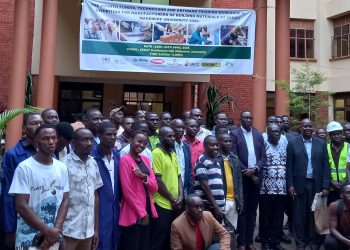
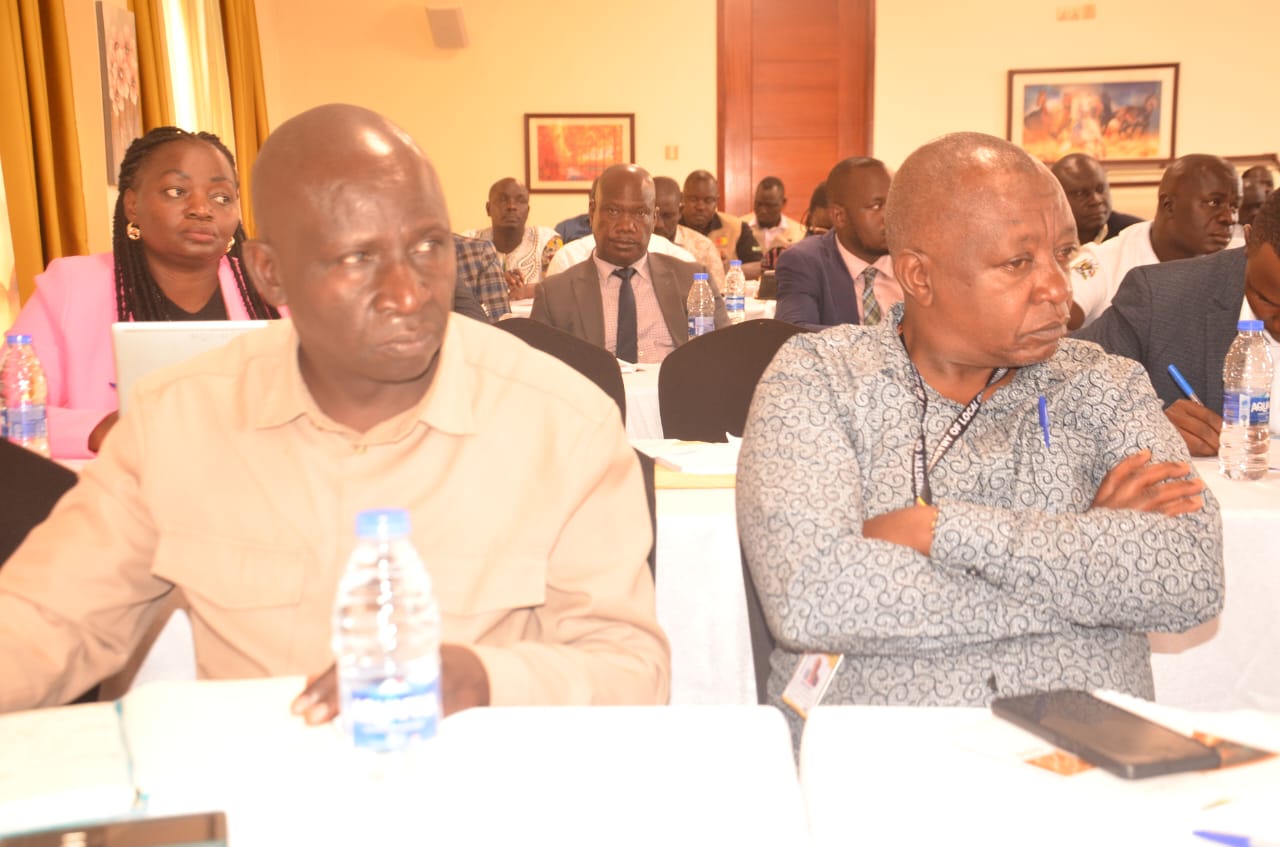
The concerns were raised on Friday during a regional engagement on the status of mining in West Nile, organised by the Uganda Extractive Industries Transparency Initiative (UGEITI) at Hotel Le Confidentiel in Arua.
UGEITI, Uganda’s national chapter of the Extractive Industries Transparency Initiative (EITI), promotes transparency and accountability in the management of the country’s extractive resources, including mineral revenues, royalty sharing and community benefits.
Information presented during the meeting indicated that West Nile currently has no commercial-scale mining operations, with activities largely limited to mineral exploration and artisanal and small-scale mining.
Zombo District LC5 Chairperson James Oyullu said communities had been sensitised about environmental protection, but local leaders remained concerned about the lack of information on ongoing mineral exploration.
He cited Atiak, Alangi, River Ora, Nyagak and several hills and valleys as areas where mineral prospecting, including gold exploration, has been reported.
“We hear about minerals, but it has not been made clear to the district,” Oyullu said.
He expressed concern that exploration activities had not been accompanied by adequate environmental protection, pointing to forest depletion in areas such as Zeu.
Oyullu also questioned why district leaders had never received findings from mineral inspections and prospecting conducted about five years ago, particularly in areas believed to have deposits of gold and nickel.
He called on companies holding exploration licences to share their findings with district authorities and affected communities within the three-year period provided for exploration licences.
In Madi Okollo, LC5 Chairperson Ismael Drabe said the district had not received clear information about mineral deposits despite recent surveys conducted by the Ministry of Energy and Mineral Development.
“There are high mineral prospects in Madi Okollo where the Ministry of Energy recently sent surveyors to assess potential areas. We demand feedback on their findings,” Drabe said.
Terego District LC5 Chairperson Wilfred Saka criticised the country’s mining legal framework, arguing that it gives the minister excessive powers in determining profits from mining activities while leaving local governments and communities with limited influence over decisions that affect them.
He said the arrangement could undermine the benefits and royalties that should accrue to communities hosting mineral resources.
Pax Sakari, Executive Director of the West Nile Initiative for Community Empowerment (RICE-West Nile), said the region’s mineral potential should translate into clear information and meaningful benefits for local communities.
He urged authorities to disclose the available mineral resources and strengthen community awareness so that residents understand their rights and responsibilities before large-scale mining begins.
Chris Musiime, Programme Director at the African Centre for Energy and Mineral Policy (ACEMP), described West Nile as a region with significant geological potential and called for greater transparency in mineral exploration.
He said the public should be informed about exploration findings as well as the income and expenditure associated with mineral resource activities.
The concerns come amid growing demands for greater community participation in Uganda’s extractive sector, particularly in areas where exploration has been conducted without adequate communication with local authorities and residents.
Leaders at the meeting said releasing exploration reports, explaining environmental implications and clarifying how future mineral revenues and royalties will be shared would help communities understand the value of their natural resources and hold responsible institutions accountable.
They warned that continued secrecy surrounding mineral exploration could erode public trust and leave communities uncertain about the resources beneath their land and the benefits they stand to gain.