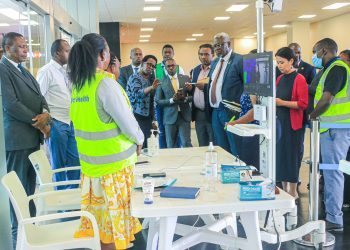



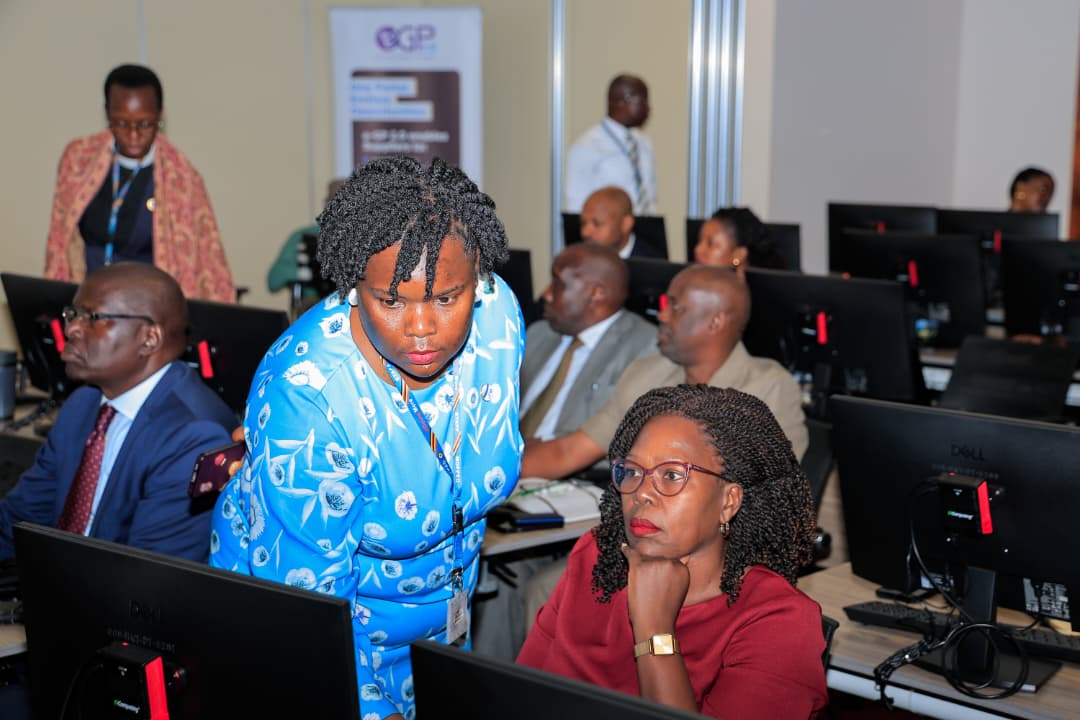
The Government has commenced training for accounting officers from 100 public entities as part of the nationwide rollout of the Electronic Government Procurement (eGP 2.0) system, a major step towards fully digitising public procurement in Uganda.
The training, which commenced today Monday, August 3, 2026, is being conducted by the Ministry of Finance, Planning and Economic Development in partnership with the Public Procurement and Disposal of Public Assets Authority (PPDA) at the ministry’s headquarters in Kampala.
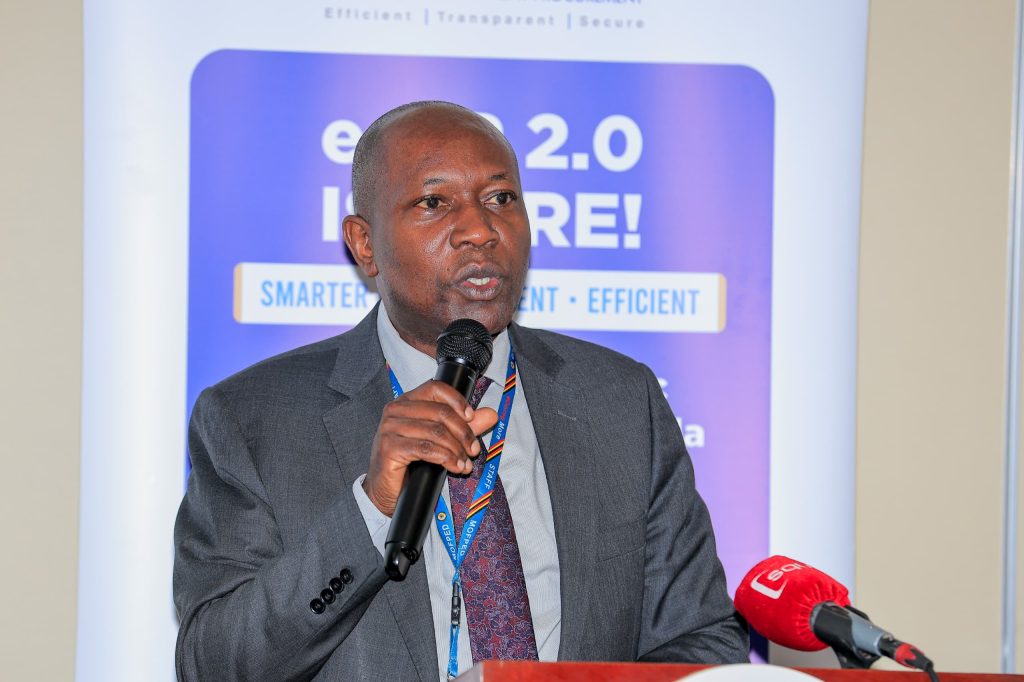
Speaking at the opening of the training, Acting Accountant General Godfrey Ssemugooma said the programme targets accounting officers from 100 public entities that are still operating under the manual procurement system.
He noted that the training is a critical step in preparing the entities to successfully adopt eGP 2.0, which is expected to improve efficiency, enhance transparency, reduce corruption and cut procurement timelines by half.
“These are the officers responsible for procurement in their institutions. They include permanent secretaries, chief executive officers and heads of institutions. Our laws place responsibility on accounting officers, so they must first be empowered to effectively use the Electronic Government Procurement System,” Ssemugooma said.
He explained that the government has already enrolled 36 entities onto the eGP platform and is now adding another 100 this financial year as part of a phased national rollout that will eventually cover all government entities. Under the current manual system, procuring entities advertise tenders in newspapers, issue bid documents physically, receive paper submissions, conduct bid openings in person and manually sign contracts. With eGP 2.0, all these processes will be conducted online. “We no longer need bidders to collect manual bid documents or accounting officers to sign physical documents. Everything will be electronic and accessible online,” he said.
Ssemugooma noted that digitising procurement will reduce human interaction in procurement processes, making it much harder to manipulate documents or influence outcomes.
He explained that the platform is integrated with government databases including the Uganda Revenue Authority (URA), Uganda Registration Services Bureau (URSB), National Identification and Registration Authority (NIRA) and the National Social Security Fund (NSSF). As a result, bidder eligibility will be verified automatically.
“If a bidder has no tax clearance or lacks the required registration, the system automatically blocks them from participating. In a manual system, forged documents can sometimes find their way into the process, but with eGP that becomes extremely difficult,” he said.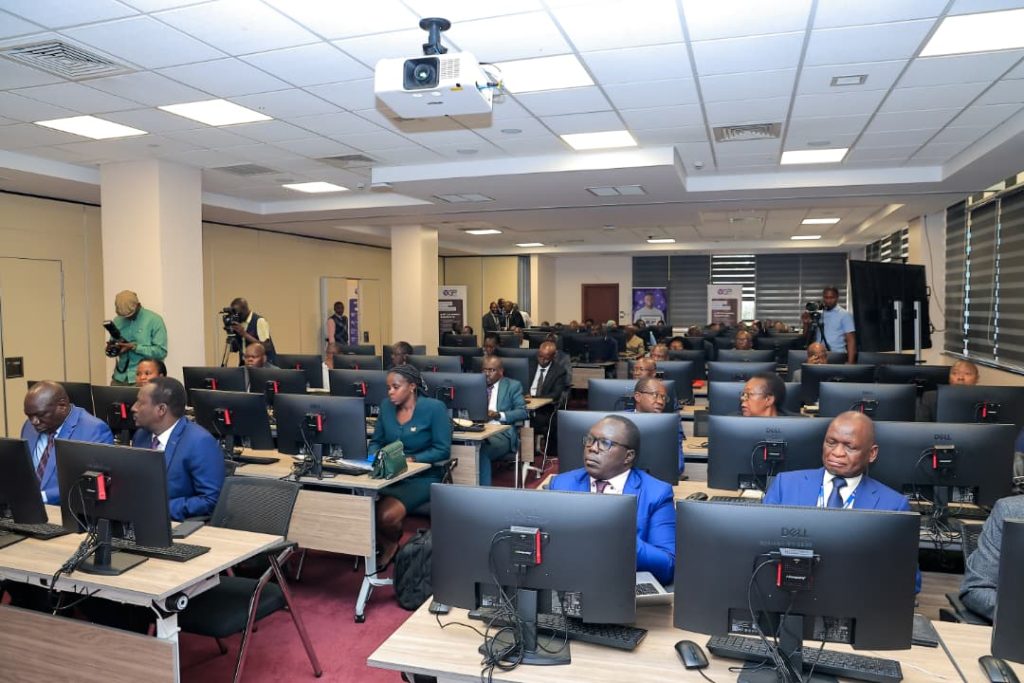 He added that once a bid is submitted electronically, it cannot be altered. The system also maintains complete audit trails showing who performed every action and when, making investigations easier and discouraging fraudulent practices.
According to Ssemugooma, the new system is expected to improve efficiency by reducing procurement timelines by up to 50 percent. Processes that previously took around 10 days can now be completed in about five days because many approvals and meetings can be conducted electronically. “Contracts committee meetings no longer require everyone to be physically present. Members can participate online from wherever they are, which eliminates delays and speeds up procurement,” he said.
He said accounting officers will undergo three days of training, while procurement officers will receive two weeks of specialised training. Heads of departments will receive one week of training, followed by continuous technical support after deployment.
Ssemugooma assured users that support teams have been assigned to every participating entity to provide hands-on assistance until staff become fully confident using the system.
Addressing concerns about possible system downtime, he said eGP is hosted at the National Data Centre and is designed for high availability. If a nationwide technical outage occurs, procurement processes will automatically be suspended and the affected timelines extended to ensure no bidder is disadvantaged.
He also noted that because the platform is internet-based, users can access it from anywhere with a reliable internet connection.
PPDA Senior Officer Mariam Baluka said the upgraded eGP 2.0 platform was developed after incorporating feedback from users of the earlier version.
She said the new system features simplified navigation, voice-guided instructions, embedded training videos and expanded user support to make adoption easier for both government entities and private sector suppliers.
Baluka added that PPDA is working closely with the Ministry of Finance, the Ministry of ICT and National Guidance and the National Information Technology Authority-Uganda (NITA-U) to implement the programme.
She said Treasury Service Centres across the country will also provide training and technical support to both government officials and suppliers. “The objective is to fully digitise public procurement. We are implementing the rollout in phases by adding another 100 entities this financial year, and we shall continue onboarding more entities until the entire government procurement system is operating electronically,” she said.
Baluka urged suppliers interested in government business to register on the platform, noting that entities already using eGP no longer advertise tenders in newspapers and can only award contracts to suppliers registered on the electronic system.
Representing the Accounting Officer at the Capital Markets Authority, Hermione Nakabugo welcomed the transition, saying it would eliminate unnecessary paperwork, reduce delays and improve fairness in procurement.
She said the digital platform would also reduce complaints from service providers regarding bidding, evaluation and contract award processes.
Nakabugo explained that under the manual system, procurement often involves several committees meeting physically over many weeks before contracts are awarded, with the entire process taking at least six weeks.
She believes eGP 2.0 will dramatically shorten those timelines by automating approvals, increasing objectivity and giving suppliers across the country equal access to procurement opportunities.
Officials say the introduction of eGP 2.0 marks a major milestone in Uganda’s public sector digital transformation agenda and is expected to deliver greater transparency, accountability, efficiency and value for money in government procurement.