


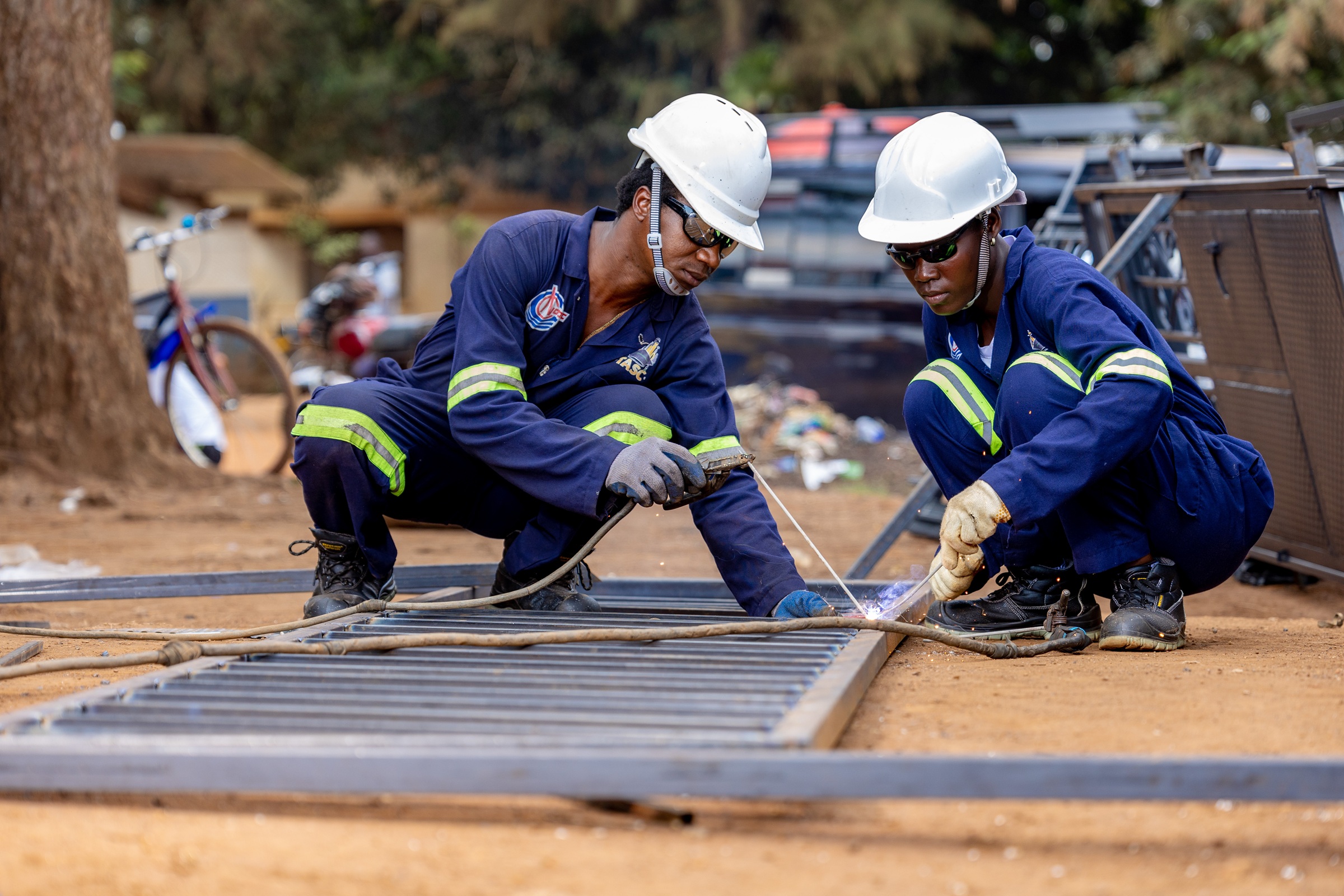
CNOOC Uganda Limited has celebrated the graduation of 101 Ugandan trainees who successfully completed a four-month vocational skills training programme implemented under the company’s Resettlement Action Plan (RAP) and National Content Skilling and Capacity Development agenda for the Kingfisher Oil Development Project.
The graduation marks another milestone in CNOOC Uganda’s ongoing investment in Ugandan human capital, livelihood restoration and local participation as the country moves closer to first oil.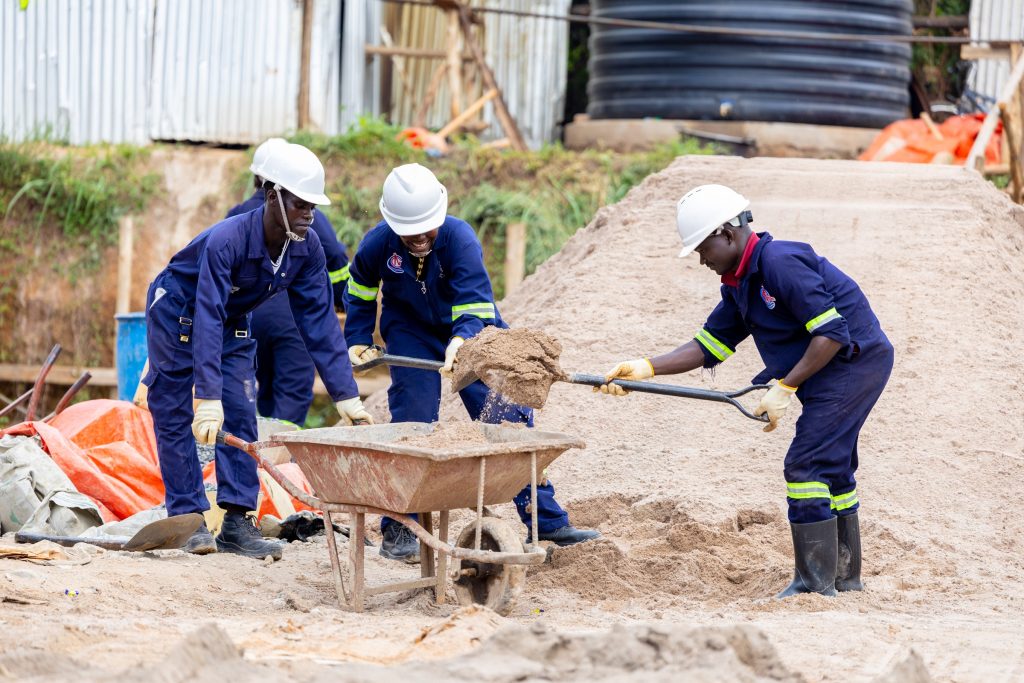 The programme is designed to equip Project Affected Persons (PAPs) and other Ugandans with practical, marketable skills that can support sustainable livelihoods while creating opportunities for meaningful participation in Uganda’s growing economy.
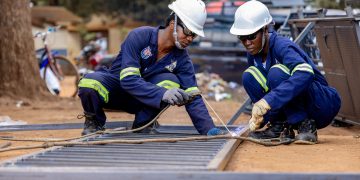
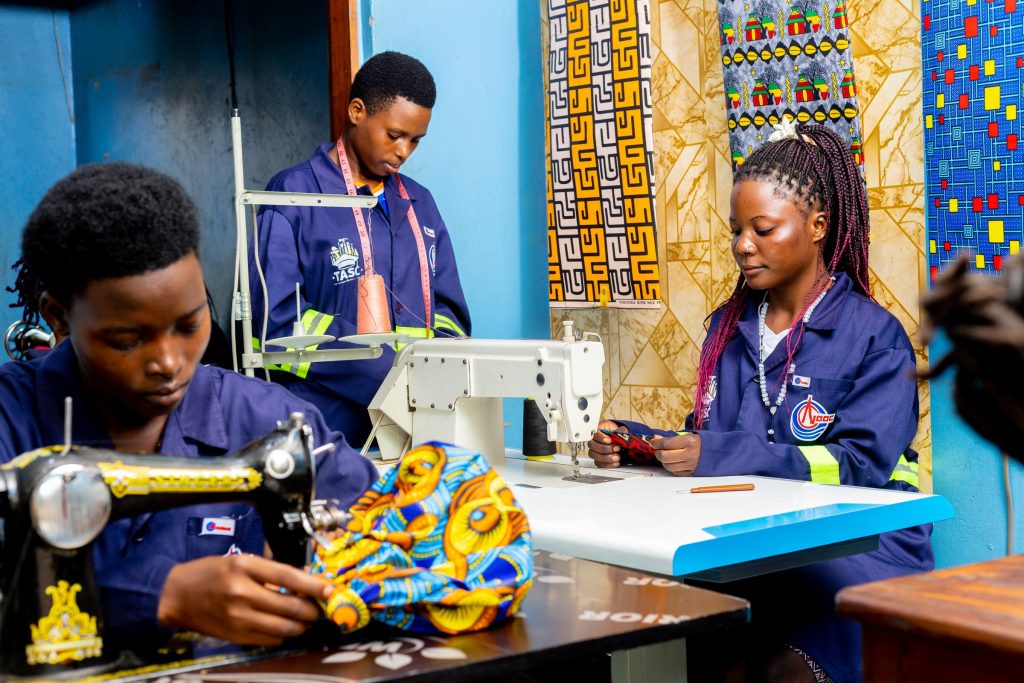
The training was delivered in partnership with Q-Training Limited, an accredited institution contracted to provide practical and industry-relevant vocational instruction. The graduates received training in welding, tailoring, hairdressing, motorcycle repair, bricklaying and electrical installation, among other trades.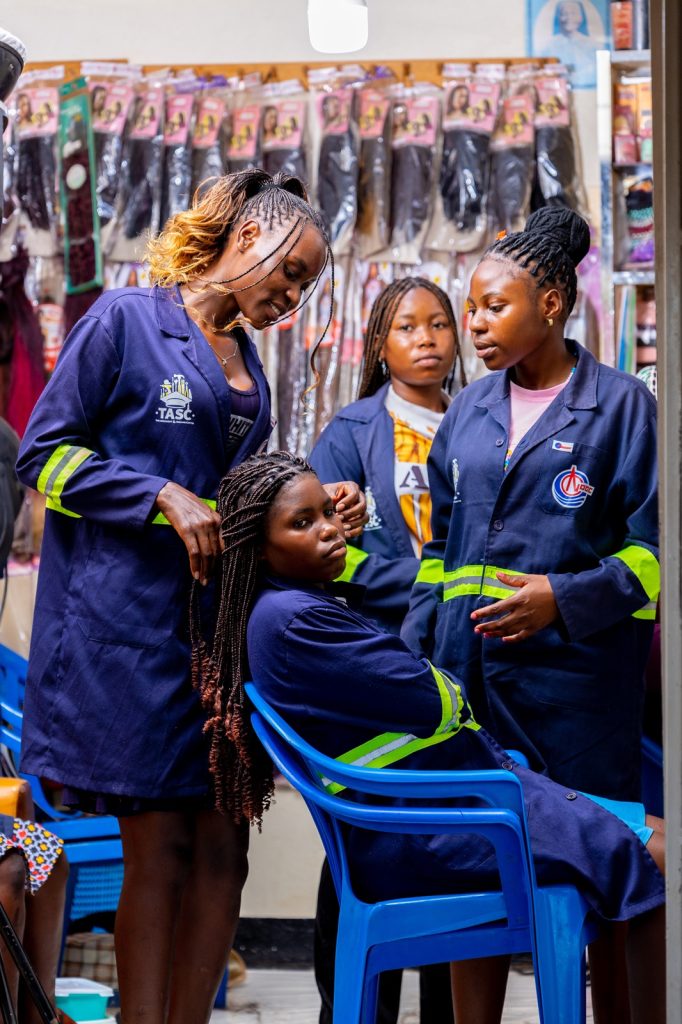 Training was conducted in Hoima and Kikuube districts at St. Simon Peter’s Vocational Training Institute and St. Joseph’s Vocational Training Institute, respectively.
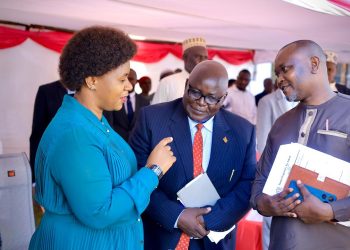
Speaking at the graduation ceremony, Ms. Sandra Mwesigye, Deputy Head of the Legal and Commercial Department at CNOOC Uganda Limited, commended the graduates for their commitment, resilience and determination throughout the intensive programme.
“The certificates presented today are more than qualifications; they are passports to new opportunities. You have acquired practical skills, competence and professionalism that can enable you to build sustainable livelihoods and take advantage of opportunities emerging within your communities and Uganda,” she said.
Mwesigye reaffirmed CNOOC Uganda’s commitment to advancing Uganda’s National Content agenda and ensuring that the livelihoods of Project Affected Persons are comprehensively restored and, where possible, improved.
 “Our goal is to ensure that Ugandans are not only participants but leaders in the oil and gas sector. As Uganda moves closer to first oil, we will continue to invest in the skilling of Ugandans, enterprise development and support, employment opportunities for nationals, and technology transfer to build sustainable capacity for the future,” she said.
The vocational training programme supports the country’s priorities and aligns with the requirements of the Petroleum Authority of Uganda (PAU) to enhance national participation in the petroleum sector. It also forms part of CNOOC Uganda Limited’s commitment to restoring and strengthening the livelihoods of people in its areas of operation.
The latest cohort adds to CNOOC Uganda’s growing portfolio of skills development initiatives. So far, the company has trained 350 vocational skills trainees from Project Affected Households under its Resettlement Action Plan.
CNOOC Uganda has also supported 100 local enterprises to formally register as business entities. The enterprises will receive seed capital of UGX 1 million each through Community SACCOs in 2026, providing additional support for business start-up, growth and livelihood sustainability.
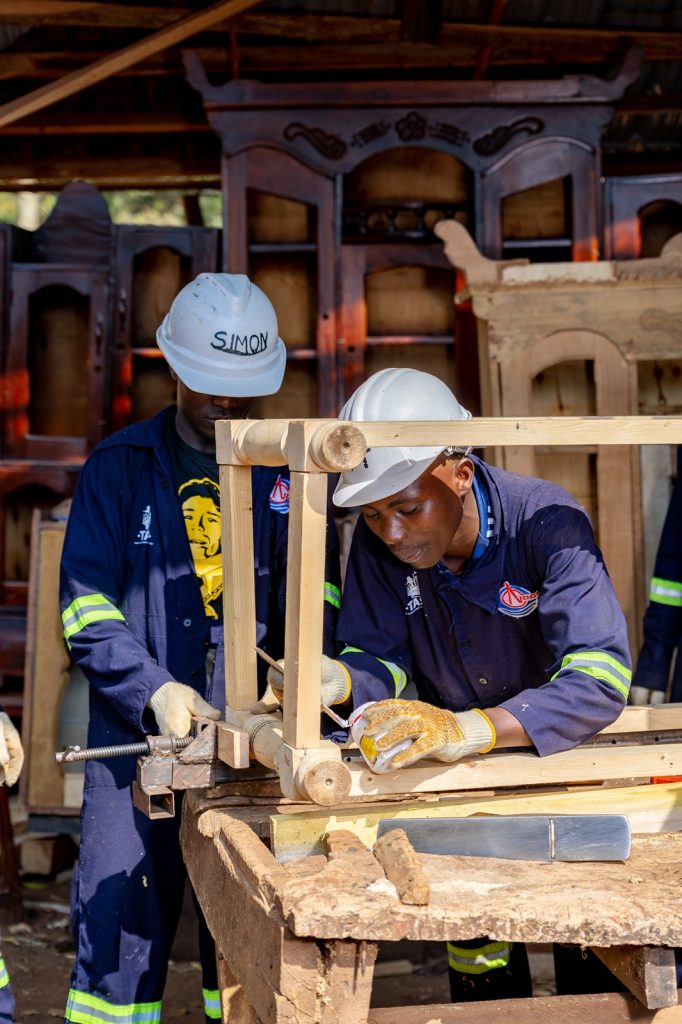 Beyond the RAP programme, CNOOC Uganda has continued to invest in skills development under its broader National Content agenda. The company has trained 250 vocational skills trainees under its National Content Skilling Programme, as well as 360 heavy goods truck drivers, 580 welders in 6G and 3G arc welding certification, 294 participants under the Training of Trainers programme, and 90 heavy equipment and heavy lifting operators, among other targeted capacity-building initiatives.
These investments are intended to build a competent Ugandan workforce capable of meeting the skills requirements of the oil and gas sector while also creating opportunities beyond the industry through transferable technical and business skills.
As Uganda’s petroleum sector moves towards first oil, CNOOC Uganda continues to implement initiatives aimed at ensuring that Ugandans and Ugandan enterprises are prepared to participate in opportunities that will arise across the petroleum value chain.
The company’s investments in skills development, enterprise development, livelihood restoration, employment of Ugandan nationals, local procurement, technology and knowledge transfer are part of a broader commitment to ensuring that the benefits of Uganda’s oil and gas development extend beyond petroleum production and contribute to sustainable socio-economic transformation.
With the graduation of the 101 trainees, CNOOC Uganda Limited continues to strengthen Uganda’s human capital and local enterprise base, helping communities and businesses prepare to take advantage of emerging opportunities as the country moves closer to becoming an oil-producing nation.