


Uganda’s Office of the Director of Public Prosecutions (ODPP) has recovered Shs15 billion and land worth about Shs1.6 billion through anti-corruption prosecutions, as its overall conviction rate rises to 67%.
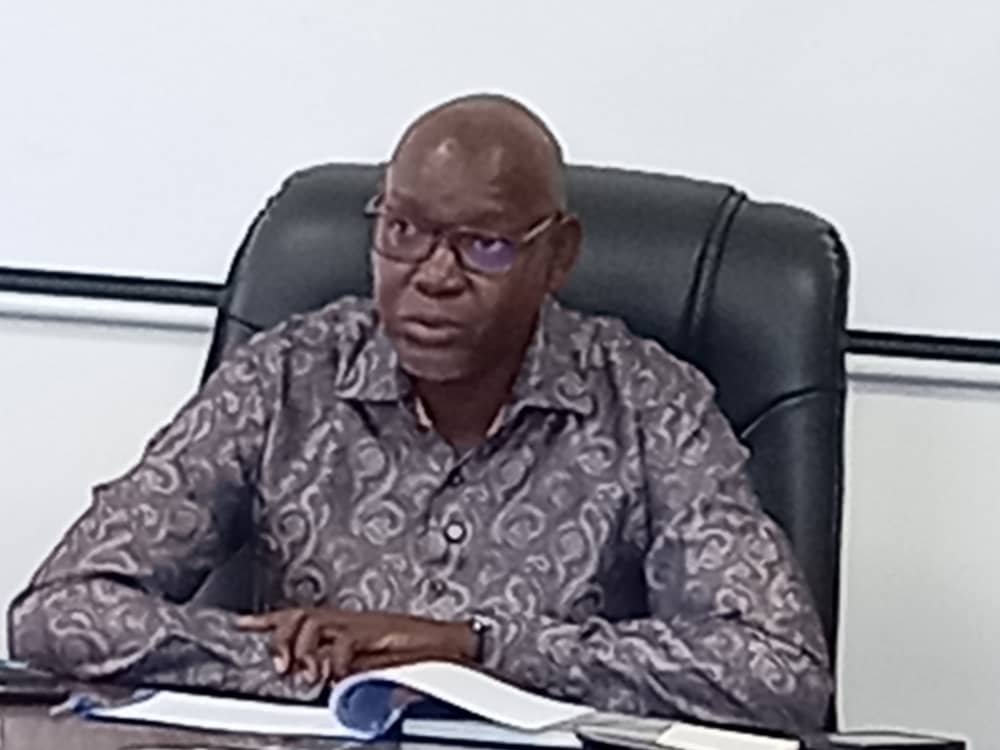
Director of Public Prosecutions Lino Anguzu attributed the improvement to the commitment of prosecutors, staff and other justice-sector stakeholders, saying their efforts had contributed significantly to reducing the country’s criminal case backlog.
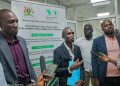
Anguzu made the remarks during a breakfast engagement with journalists at the ODPP headquarters at the JLOS Tower in Naguru, Kampala.
He said the latest performance figures were a sign that public confidence in the prosecution service was gradually being restored.
He encouraged members of the public to make use of prosecutorial services available at ODPP regional offices across the country.
The ODPP says the use of plea bargaining has also played a major role in easing pressure on the criminal justice system, with about 28,971 cases concluded through the initiative over the past five years.
The office also reported significant progress in dealing with capital offences. Since the introduction of daily hearings for capital cases in 2022, prosecutors have concluded 4,640 such cases by the 2025/26 financial year.
The prosecution service has also recorded a sharp improvement in the handling of gender-based violence cases.
According to the ODPP, the conviction rate for GBV cases increased from 30% in 2019 to 80% in the 2025/26 financial year following specialised training of prosecutors.
Anti-corruption prosecutions have similarly recorded conviction rates of between 80% and 90%, which the ODPP attributes partly to prosecution-guided investigations and more effective case preparation.
Among the high-profile cases successfully prosecuted was the Karamoja iron sheets case, in which former State Minister for Karamoja Affairs Agness Nandutu, who is also the Bududa Woman MP, was convicted of dealing with suspect property.
The ODPP also secured a death sentence against Christopher Okello Onyum for the murder of four children at a daycare centre in Ggaba.
In the case involving the kidnap and murder of Susan Magara, nine accused persons were successfully prosecuted, resulting in death and life imprisonment sentences.
Prosecutors also secured convictions in the Masaka spate of murders, commonly referred to as the Bijambiya cases. The accused were handed prison sentences of 45 years and 25 years for murder and aggravated robbery respectively.
Anguzu said the ODPP was also investing in technology to modernise prosecution services and reduce delays in the handling of cases.
The office is implementing the Prosecution Case Management Information System, known as PROCAMIS, alongside other digital data-management tools aimed at digitising prosecution records, improving information sharing and strengthening performance monitoring.
Anguzu said his long-term goal was to eliminate the need for prosecutors to transport physical case files between regional stations.
He said a fully digitised prosecution system would allow case files to be securely accessed electronically from different parts of the country, while enabling reports to be generated more quickly.
The ODPP has also expanded specialised training for prosecutors dealing with complex offences, including gender-based violence, terrorism, trafficking in persons, land-related crimes and cybercrime.
The office has started construction of a Prosecutors’ Academy in Nakasongola, while its Virtual Learning Academy is being used in the meantime to continue training prosecutors.
Transport has also been improved, with the ODPP fleet now standing at about 235 vehicles.
The office recently handed over 32 new vehicles to staff, particularly prosecutors working in hard-to-reach areas, to improve their ability to deliver services across the country.
Anguzu said the ODPP was also stepping up engagement with communities through barazas, public relations surveys, sensitisation programmes, open days and radio talk shows.
He said the outreach programmes were intended to improve public understanding of the prosecution mandate, strengthen accountability and give communities an opportunity to provide feedback.
The ODPP also works closely with the Criminal Investigations Directorate through quarterly coordination meetings, while partnerships with other government agencies and development partners have helped strengthen criminal investigations and prosecutions.
Despite the progress, the prosecution service continues to face challenges, including a growing caseload, shortage of prosecutors, inadequate funding, increasingly complex crimes and difficulties in managing witnesses.
The ODPP also cited public misconceptions about its role and limited understanding of the criminal justice process as continuing obstacles.
Anguzu called on the media to play a greater role in educating the public about the work of prosecutors and accurately reporting court and prosecution outcomes.
He said responsible reporting could help counter misinformation, promote confidence in criminal proceedings and strengthen public trust in Uganda’s criminal justice system.