


KAMPALA, Uganda (UGNEWSLINE) – Uganda’s ruling National Resistance Movement (NRM) and Russia’s Institute for African Studies are exploring plans to establish a research laboratory in Uganda to investigate the historical impact of colonialism and support Africa’s campaign for reparations.
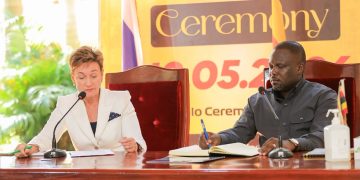
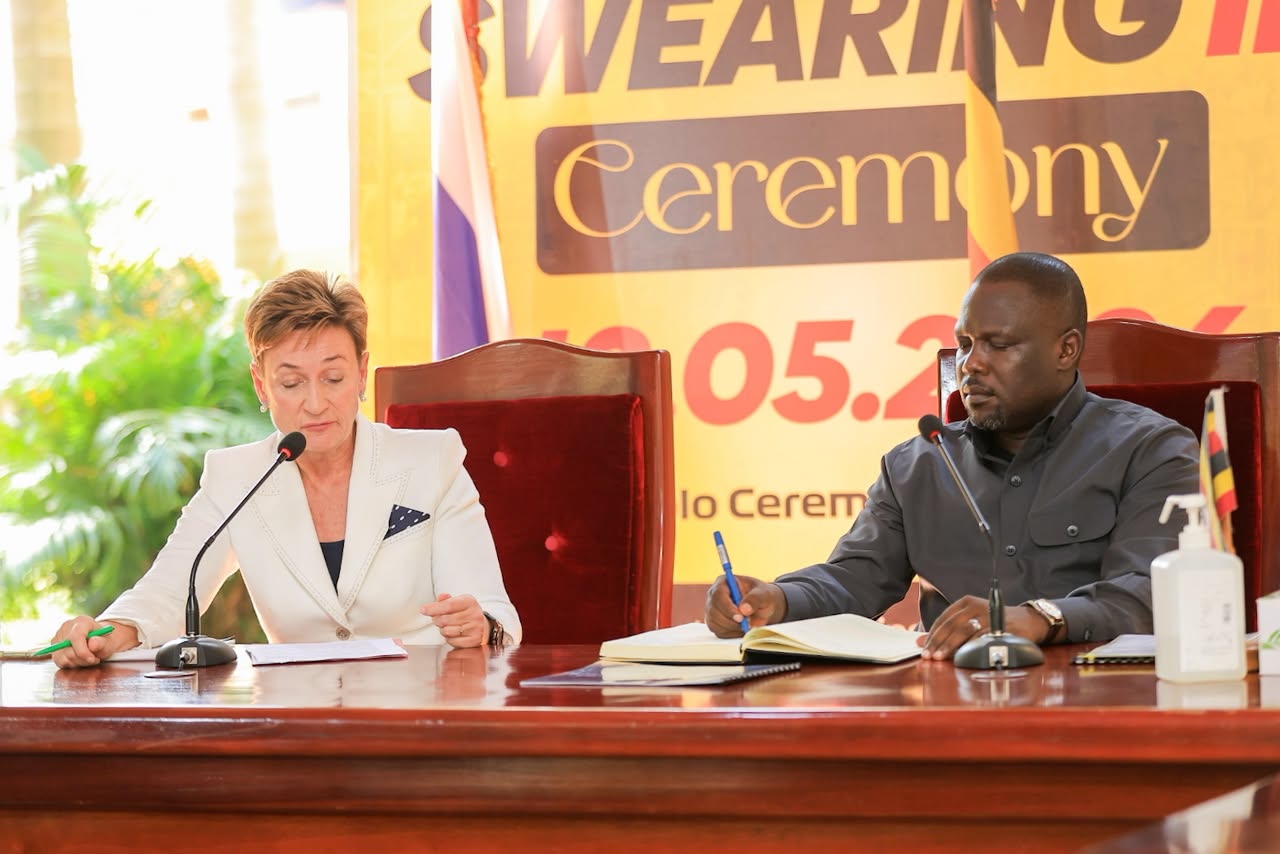
The proposal was discussed during a meeting between NRM Secretary General Richard Todwong and a Russian delegation led by Irina Abramova, Director of the Institute for African Studies at the Russian Academy of Sciences.
The discussions focused on possible areas of academic and institutional cooperation, including research into the effects of slavery, colonial exploitation, forced labour and the destruction of African cultural heritage.
Todwong welcomed the proposed partnership, saying historical injustices committed against African societies needed to be properly documented and addressed.
He argued that the exploitation of the continent’s natural resources, the transatlantic slave trade and the disruption of African cultural and social structures had left lasting consequences that deserved international attention.
The proposed research laboratory would provide a platform for examining the scale and long-term effects of these injustices, with a particular focus on developing evidence that could inform Africa’s pursuit of historical justice and reparations.
The discussions also touched on the possibility of engaging international institutions, including the International Court of Justice (ICJ), in efforts to seek accountability and compensation for colonial-era abuses.
The Russian delegation’s visit forms part of broader efforts to strengthen research and academic cooperation between Uganda and Russia. Potential collaboration with Ugandan institutions, including Makerere University and Kyambogo University, was also discussed.
Maj. Awich Pollar, the NRM Director of External Relations, and James Tweheyo, a commissioner of the Electoral Commission, were among the Ugandan officials who participated in the meeting.
However, details regarding the proposed laboratory’s location, funding, institutional arrangements and operational framework have yet to be established.
The initiative comes amid growing international discussions about reparations for slavery and colonialism, with African governments and institutions increasingly calling for historical injustices to be acknowledged and their lasting economic and social consequences addressed.