

KAMPALA, Uganda (UGNEWSLINE) – For some families, it is the school fees that never get paid. For others, it is the unfinished house, the struggling small business or the dinner table that has become increasingly difficult to fill.
Behind these everyday struggles, campaigners in Uganda say, lies a problem that is often treated as a personal habit but has consequences reaching far beyond the drinker.
Alcohol abuse is costing Uganda an estimated Shs11 trillion annually, according to the Uganda Alcohol Policy Alliance (UAPA), which warns that excessive drinking is putting pressure on household incomes, public health and the country’s efforts to lift people out of poverty.
The concern is particularly significant as the government pushes ahead with the Parish Development Model (PDM), a flagship programme intended to help households move from subsistence living into the money economy through income-generating ventures.
For families already struggling to make ends meet, money spent on alcohol can mean fewer resources for food, education, healthcare and investment in small businesses.
UAPA argues that the consequences could weaken the impact of government programmes designed to improve livelihoods.
Richard Baguma, the alliance’s vice chairperson, says the country’s poverty-reduction ambitions will be difficult to achieve without confronting harmful drinking.
“The Parish Development Model will not succeed with the levels of alcohol consumption among Ugandans,” he said ahead of the fifth Uganda National Alcohol Policy Conference, scheduled for November 25 and 26 at Makerere University School of Public Health in Kampala.
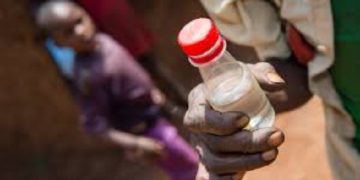
The concern is not simply about how much people drink, but what happens to families and communities when alcohol begins to take priority over other needs.
In households where income is limited, repeated spending on alcohol can leave little room for saving or expanding a business.
The effects can be felt by spouses and children who have no control over the decisions being made, yet bear the consequences when essential expenses go unmet.
The financial burden also extends beyond individual households. Alcohol-related illnesses, road crashes, domestic violence and lost working hours all carry social and economic costs, putting additional pressure on families, employers and public services.
Health professionals have raised concerns about the longer-term consequences.
Dr Alfred Jatho, head of the research unit at the Uganda Cancer Institute, has linked alcohol consumption to cancers, including those affecting the liver and oesophagus.
Such illnesses can bring expensive treatment, prolonged periods away from work and emotional strain for patients and their relatives.
Dr Nazarius Mbona, a professor in the Department of Epidemiology and Biostatistics at Makerere University School of Public Health, also highlighted the links between harmful drinking, domestic violence, road accidents and declining workplace productivity.
For campaigners, these consequences make alcohol consumption more than an issue of individual choice.
They say it is also a question of public health, family welfare and economic development.
Uganda has taken steps to address the problem, including banning alcohol sachets, but UAPA believes more comprehensive regulation is needed.
The alliance is calling for stronger controls on alcohol sales, advertising and access, alongside clearer product information and better protection of children and young people.
Baguma welcomed a directive by Local Government Minister Balaam Barugahara concerning alcohol sales, but says enforcement remains a challenge.
Although Cabinet has approved a national alcohol control policy, campaigners argue that stronger legislation and consistent implementation are necessary to turn policy commitments into meaningful change.
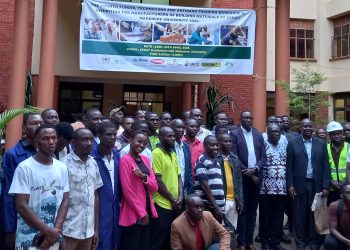
The debate comes as the alliance prepares to bring together policymakers, researchers, health professionals and other stakeholders at its November conference to examine the impact of alcohol and discuss possible solutions.
Yet the issue reaches well beyond conference rooms and government offices. It is reflected in the everyday decisions made in homes, trading centres and communities across the country, where families must balance immediate spending against their longer-term needs.
For Uganda, the question is how to protect people’s freedom to make personal choices while reducing the harm that excessive drinking can inflict on those around them.
And for families hoping that government programmes such as the Parish Development Model will offer a path towards a more secure future, campaigners say the money intended to build livelihoods must have a chance to do just that.
Because when household resources disappear into a bottle, the cost may be measured not only in shillings, but also in opportunities lost, plans postponed and families left struggling to get ahead.