


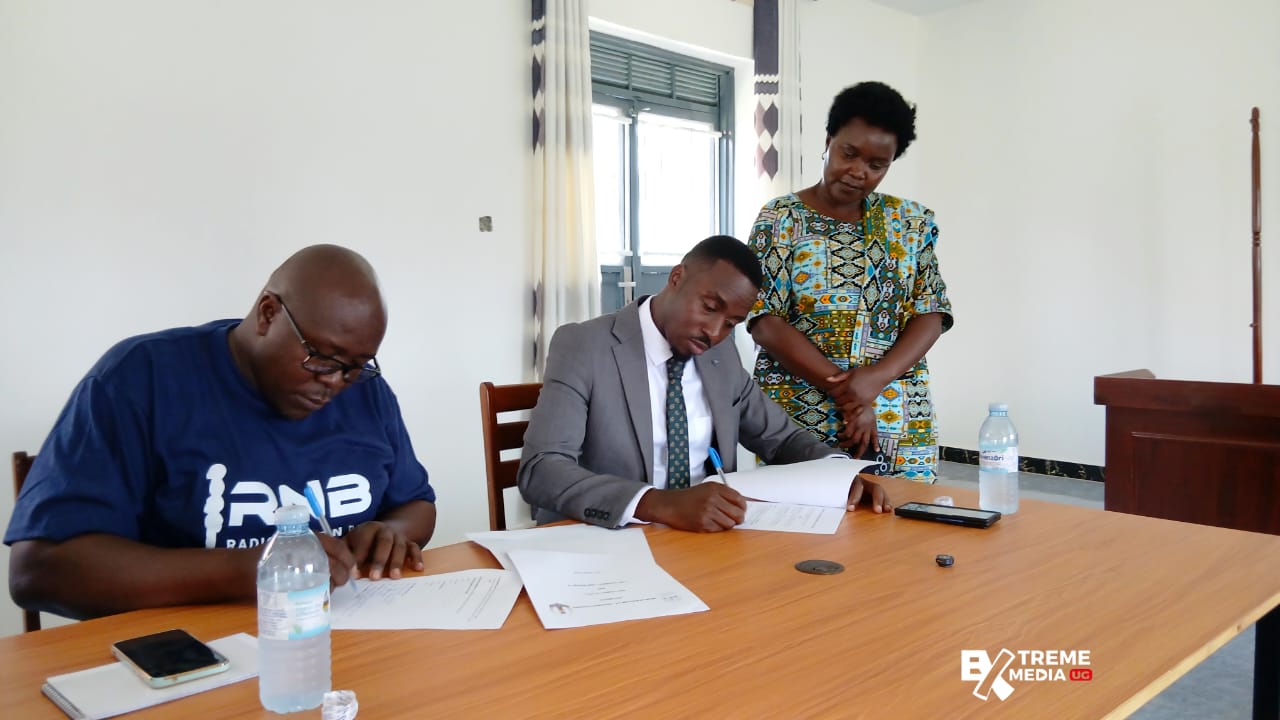
GULU, Uganda (UGNEWSLINE) — The Uganda Law Society (ULS) has signed a Memorandum of Understanding with Ker Kwaro Acholi, the traditional cultural institution of the Acholi people In a significant step toward bridging the justice gap in Northern Uganda.
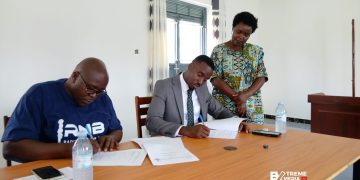
The historic agreement was sealed at the chiefdom headquarters in Gulu City, under the leadership of His Royal Highness Rwot David Onen Achana II, the Paramount Chief of Acholi. The partnership aims to promote the rule of law, expand access to justice, and strengthen Alternative Dispute Resolution (ADR) mechanisms across the Acholi sub-region.
The ULS delegation was led by Vice President Hon. Anthony Asiimwe and Council Member–Northern Representative Hon. Emmanuel Egaru, who represented ULS President Hon. Isaac Ssemakadde, SC, and the entire Governing Council. Ker Kwaro Acholi was represented by Deputy Prime Minister Martin Okumu and Minister for Gender, Youth and Culture Stella Kijange Lajiri.
“This MoU is more than a formal agreement; it is a commitment to the people of Acholi,” said Hon. Anthony Asiimwe. “By working hand-in-hand with Ker Kwaro Acholi, we are ensuring that justice is not a privilege of the few but a right accessible to every citizen in the sub-region.”
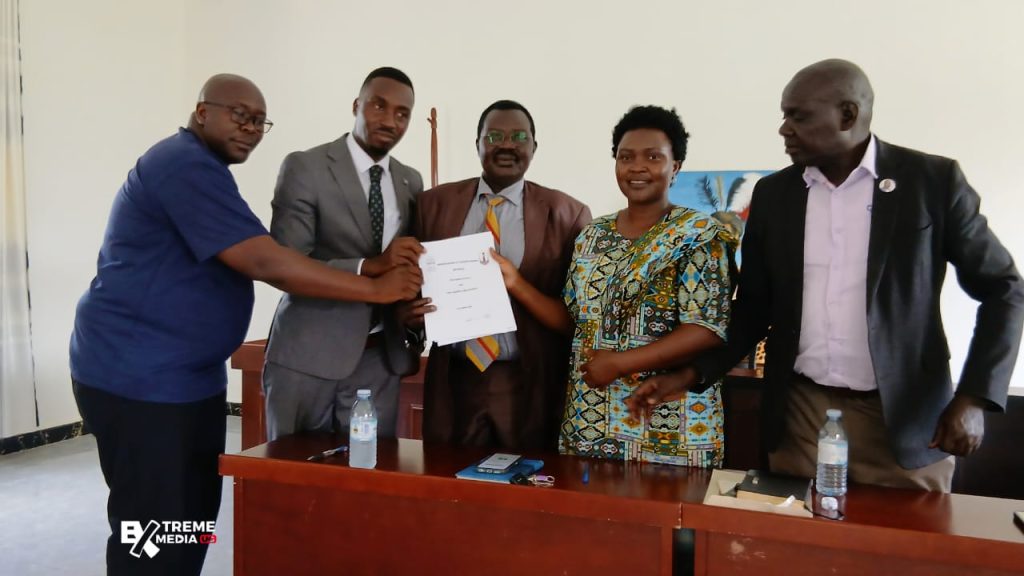
Hon. Emmanuel Egaru added: “Northern Uganda has unique cultural and historical realities. Integrating traditional leadership with the formal justice system through ADR and legal empowerment will help close the access-to-justice gap that has persisted for far too long.”
On the cultural institution’s side, Deputy Prime Minister Martin Okumu described the partnership as timely. “Ker Kwaro Acholi has always stood for peace, unity and justice. Collaborating with the Uganda Law Society brings professional legal expertise into our community structures. Together we can protect the rights of our people while respecting our customs.”
Minister Stella Kijange Lajiri emphasised the inclusion of vulnerable groups: “Women, youth and children often face the greatest barriers to justice. This partnership prioritises their needs and creates pathways for them to seek redress both through traditional and formal channels.”