


BUKOMANSIMBI, Uganda (UGNEWSLINE) — Bukomansimbi District malaria focal person, Dt. Cyprus Kipako, has challenged parents and community leaders to strengthen malaria prevention efforts by encouraging families to seek prompt testing, obtain appropriate treatment, and participate in routine malaria vaccination activities. He noted that these interventions are key to reducing the malaria burden.
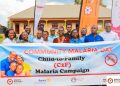
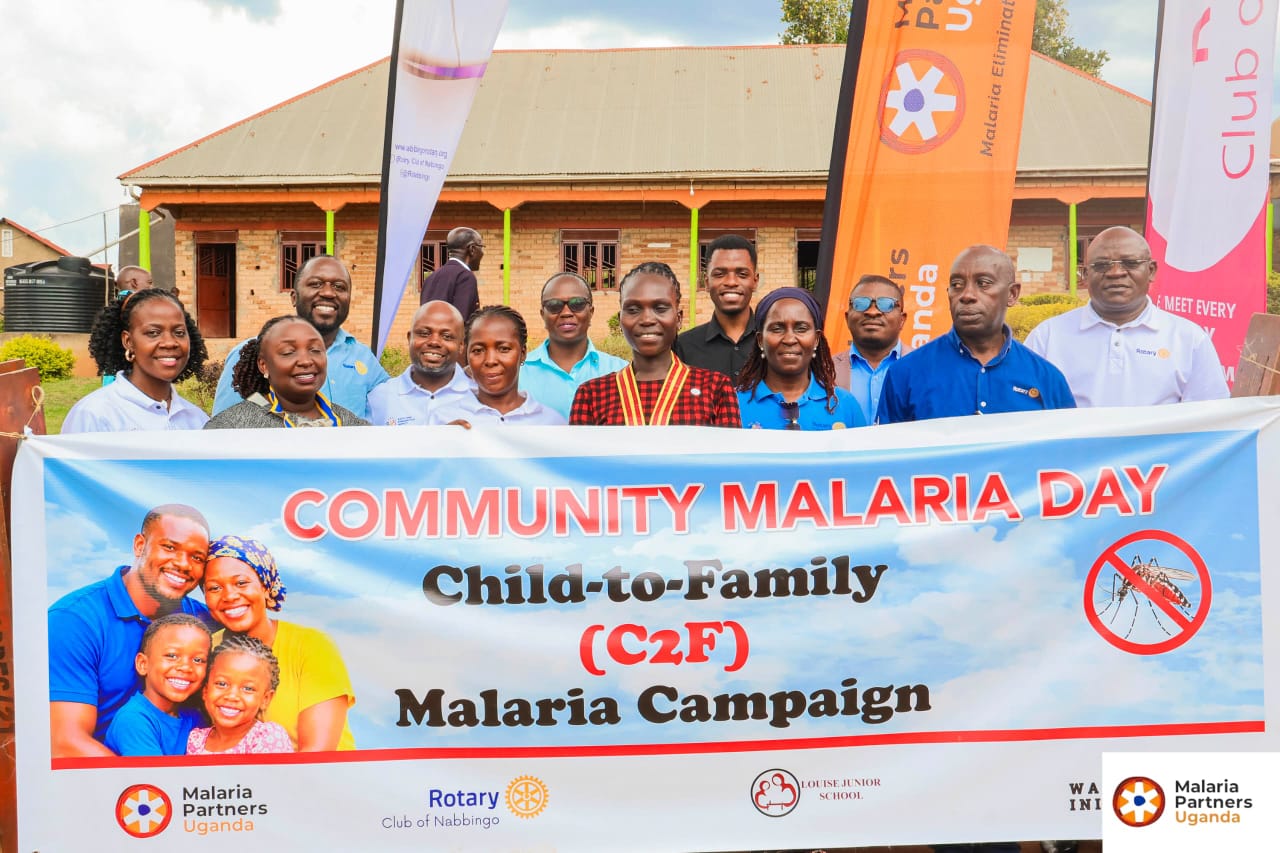
He made the remarks during the Bukomansimbi District Community Malaria Day celebrations, held at Louise Junior School, where 350 schoolchildren who participated in an earlier four-month community malaria prevention campaign showcased presentations, including speeches, skits, poems, campaign advertisements, and health education messages focused on malaria prevention, among other live stage activities.
He thanked the president of the Rotary Club of Nabbingo, Agnes Namiiro Mugoya, and her team for effectively implementing the four-month Child-to-Family malaria prevention campaign, which linked schools to families to sensitise communities about the dangers of malaria.
The project had a positive impact, as more parents and community members received malaria prevention messages from Louise Junior School pupils and engaged in preventive practices.
Kipako said the campaign had contributed to addressing misconceptions and bringing schools and communities together around informed malaria prevention measures. He noted that malaria prevalence remained high in the district, calling for concerted and sustained action by stakeholders, including the Rotary Club of Nabbingo, to address the underlying causes of the disease burden.
Bukomansimbi District Local Government Town Clerk Kabuye Abbey said the campaign had helped address misconceptions and brought schools and communities together to promote informed malaria prevention practices. He noted that malaria continued to claim lives, particularly among children, while impoverishing communities through lost productivity and reduced investment opportunities.
The Bukomansimbi District Chairperson of the Head Teachers Association, Nagawa Agili, who represented both the District Education Officer (DEO) and the District Inspector of Schools (DIS), commended the school for taking on additional responsibilities and delivering the campaign through a well-coordinated approach that brought together all stakeholders.
Nagawa observed that the project was timely because it had raised public awareness about the importance of sleeping under mosquito nets provided by the government and development partners.
She also highlighted the potential of schools to drive positive change in society.
The school director, Christopher Ssekikuubo, accompanied by the headmistress, Josephine Nakibiuka, commended the partners for believing in Louise Junior School and selecting it to pilot the Child-to-Family malaria prevention campaign.
Ssekikuubo said the project had energised the school to continue spreading malaria prevention messages to neighbouring educational institutions so that every household could understand how to prevent malaria and help reduce its burden in the community.
The programme manager at Malaria Partners Uganda, Eva Kagona, commended the team for implementing the project as envisioned.
In her remarks, she recognised the effort required to translate the Child-to-Family approach into practical activities involving learners, households, and the wider community.
The Rotary Club of Nabbingo president, Agnes Namiiro Mugoya, recognised the teachers’ commitment, hard work, and coaching throughout the project.
She appreciated how the teachers had translated a demanding programme into practical learning activities that enabled children to demonstrate their understanding clearly and confidently.
Mugoya presented tokens of appreciation to the teachers and cash awards to the campaign champions in recognition of their participation and leadership. She also thanked the other partners for the technical and logistical support they had provided to the project, which was spearheaded by the Rotary Club of Nabbingo and implemented by Watudev Initiatives.
The Child-to-Family Approach
The project uses the Child-to-Family (C2F) model, an approach that equips schoolchildren with the knowledge and skills needed to promote malaria prevention at home and within their communities.
Through this model, learners become agents of change, influencing parents, guardians, siblings, and neighbours to adopt preventive measures against malaria.
The project has directly benefited 350 learners and indirectly reached approximately 550 families, with an estimated 1,500 people receiving information on malaria prevention, early detection, and proper management of the disease.
Malaria remains one of Uganda’s leading public health challenges and is a major cause of illness, school absenteeism, preventable deaths, and reduced productivity. Children are among the most vulnerable, as repeated infections disrupt their education and place a significant financial burden on households through treatment costs and lost working days.
The partners say that empowering children with malaria prevention knowledge will help bridge the gap between awareness and action by encouraging households to adopt practices that reduce infections and improve community health.