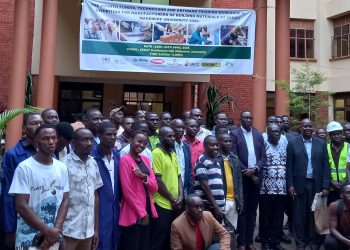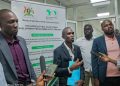



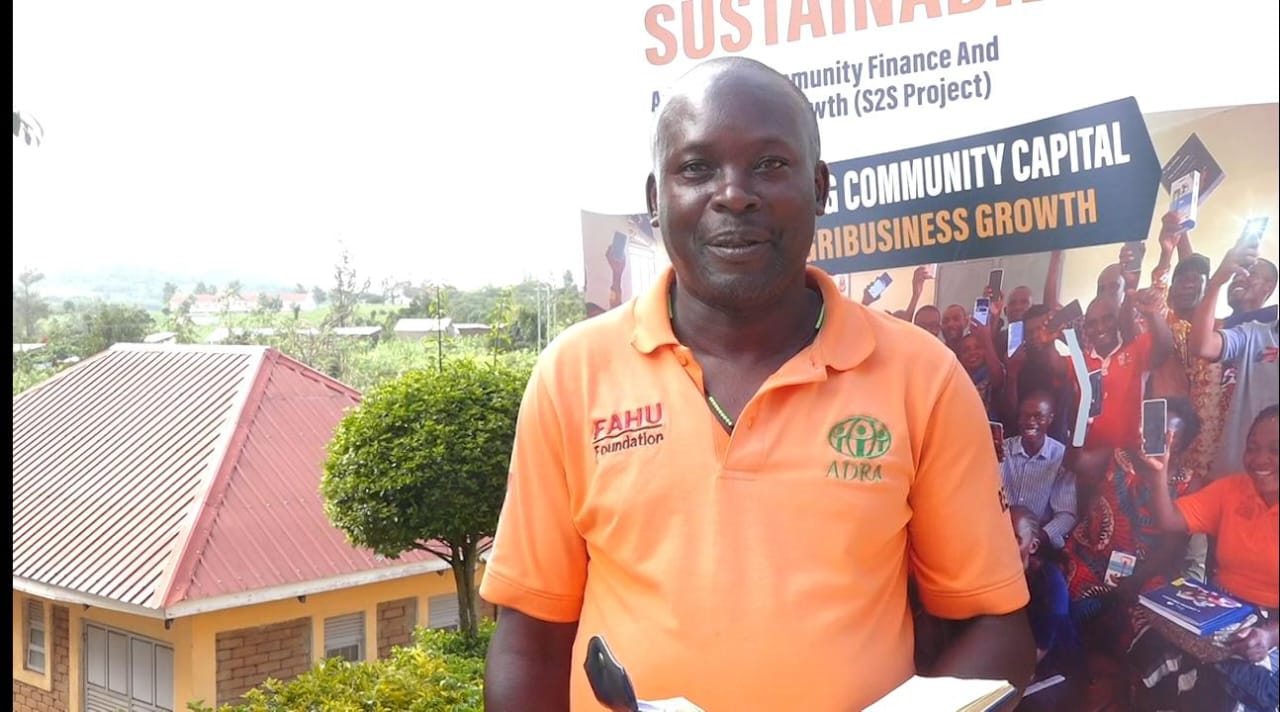
KYAKA II REFUGEE SETTLEMENT, (UGNEWSLINE ) – Refugees and host communities in Kyaka II and Rwamwanja are taking steps towards greater economic independence through organised savings, business development and collective investment, following a cross-settlement peer exchange organised by ADRA Uganda under its From Savings to Sustainability (S2S) Project.
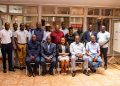
The one-day exchange, implemented in partnership with ADRA Denmark, brought together members of Peer Network Committees, Office of the Prime Minister (OPM) officials, district representatives and community leaders to share experiences and explore ways of strengthening Village Savings and Loan Associations (VSLAs) and their federations (VSLFs).
The initiative seeks to move community savings groups beyond individual saving and borrowing towards formalised financial structures, with the ultimate ambition of establishing cooperatives that can create lasting economic opportunities for both refugees and their Ugandan host communities.
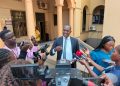
According to Christopher Angualia, Assistant Commandant of Kyaka II, ADRA and partners have helped to create linkages between the sellers and bulk buyers. They have also created the groups – the VSLFs – that have benefited farmers, both refugees and the host community.
He encouraged the groups to embrace formal registration and sound governance systems to strengthen their operations and improve their prospects of accessing opportunities.
“I advise the groups to register and formalise, to get a constitution so that they can move on effectively,” he said, adding that members should exercise due diligence when issuing loans to minimise defaults and protect their collective savings.
Mugisha Godfrey, Network Coordinator for the Peer Network covering Rwamwanja and Kyaka, described the exchange as an important opportunity for members to learn from one another and appreciate the long-term benefits of collective savings.
He thanked ADRA for investing in network training and facilitating the exchange, expressing confidence that the initiative would gradually transform the financial status of participating households.
“In two years from now, the members will be financially independent,” Mugisha said.
Beyond savings, the project is also encouraging communities to diversify their income-generating activities through farming, livestock production and other businesses.
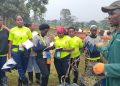
One of the notable achievements shared during the exchange was the contribution of dairy goats to household nutrition and agricultural productivity. Milk from the goats is supporting six patients daily at the ADRA hospital, helping address malnutrition, while the manure is being used to improve household gardens and crop production.
Community groups also showcased progress in agricultural production, access to machinery and collective marketing, demonstrating how organised savings can translate into practical investments and improved livelihoods.
Hitimana Patrick, who leads on governance and leadership, highlighted the importance of the support provided to community groups, particularly in improving production capacity.
“We have machines to help with production. I thank ADRA so much for the initiative and pray that they continue, because many people with success stories have been witnessed,” he said.
The exchange also provided an opportunity for members to strengthen their understanding of essential business management skills. Marie Louise Bazege shared insights on marketing strategies, Maisha Ngabo focused on financial management and digital record-keeping, while Tubenimana Beatrice addressed business planning and investment management.
Nyirabashitsi Florence guided discussions on financial and institutional linkages, while Natumanya Jacklin shared knowledge on market access and collective marketing.
These areas are considered critical in preparing the savings groups to transition into stronger and more sustainable financial institutions.
For community leaders, however, the benefits of the initiative extend beyond financial growth to include improved relationships and peaceful coexistence between refugees and host communities.
Thomas Safari of the Refugee Welfare Council III in Kyaka II said the savings culture was helping people develop financial discipline and establish businesses, even with small contributions.
“I am very grateful to ADRA who have come up with this saving culture because people learn how to save and make business. Even others have developed already through the saving culture – they saved from 1,000 upwards,” Safari said.
Although loan defaults remain a challenge, he noted that the initiative had strengthened trust and cooperation among members.
“Trust and peace have been created,” he added.
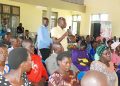
Community members, including group secretaries, treasurers and ordinary members, also testified to the benefits of financial literacy training, improved record-keeping and disciplined saving, saying the skills were helping households make better financial decisions and pursue income-generating opportunities.
ADRA Community Support Officer Jean Pierre Ndayambaje and Community Based Facilitator Agasha Apophia continue to provide community-level support, while Project Manager Jerry Kiwanuka said the project’s broader objective remains to establish sustainable livelihood systems that benefit everyone, regardless of their refugee or host-community status.
The peer exchange represents an important milestone in ADRA’s From Savings to Sustainability Project, which is seeking to transform grassroots savings initiatives into stronger, formalised and self-sustaining economic structures.
As participating communities work towards establishing cooperatives, the initiative is demonstrating how financial inclusion, business development and collaboration can become powerful tools for improving household incomes, strengthening resilience and promoting peaceful coexistence.