


KAMPALA, UGANDA (UGNEWSLINE) – Solar energy is emerging as a game-changer for agricultural productivity and food security in East Africa, with farmers in Uganda reporting significant improvements in milk preservation, reduced post-harvest losses and better access to markets following the introduction of solar-powered technologies.
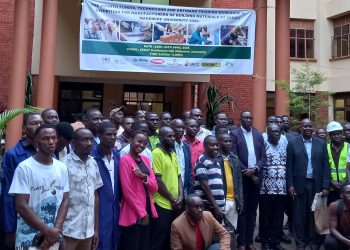
The progress was highlighted during the 2026 Distributed Renewable Energy Ecosystem Model (DREEM) Hub Partners Annual Conference held in Kampala, which brought together government officials, development partners, financial institutions, technology providers, researchers and farmer representatives from Uganda, Kenya and Tanzania.
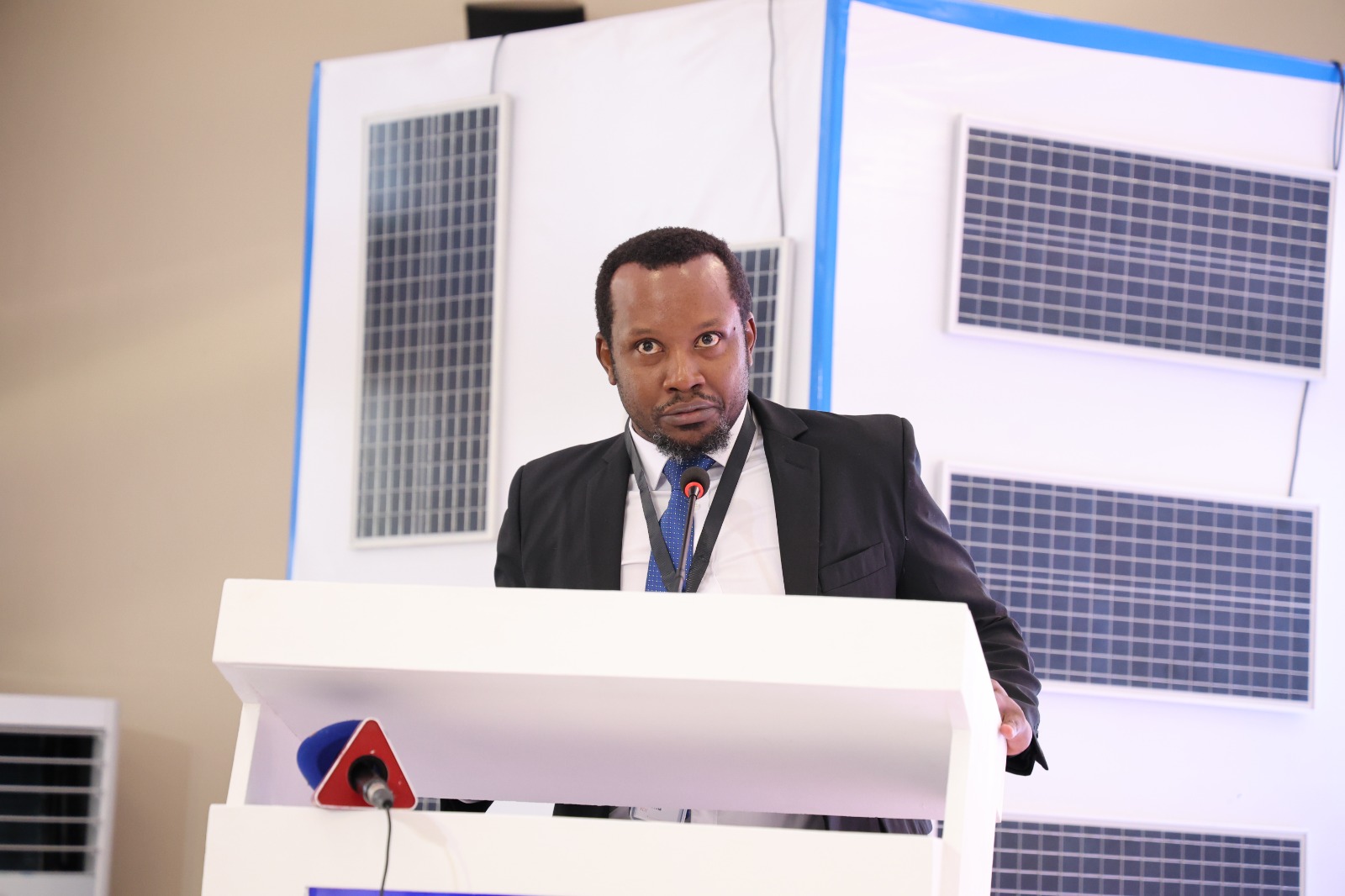
Speaking at the conference, Dr. Brian Isabirye, Commissioner for Renewable Energy and Energy Efficiency at Uganda’s Ministry of Energy and Mineral Development, said government is prioritising off-grid renewable energy solutions, including standalone solar systems, to reach rural communities beyond the national electricity grid.
He noted that Uganda loses approximately 40 per cent of agricultural produce through post-harvest losses in some value chains, highlighting the need for solar-powered irrigation, drying, cooling and milk-chilling facilities.
Dr. Isabirye said government is addressing the affordability challenge through subsidies, affordable financing and tax exemptions on solar equipment. He added that plans to promote local assembly and manufacturing would help reduce dependence on imported technologies and exposure to foreign exchange fluctuations.
William Matovu, Country Director of Heifer International Uganda, said agricultural solarisation is essential for strengthening food security, building climate-resilient livelihoods and creating rural economic opportunities.
Welcoming delegates from Uganda, Kenya and Tanzania, Matovu said the DREEM Hub initiative has made progress in promoting productive uses of solar energy but stressed the need to make these technologies more accessible to farmers and agricultural enterprises.
He highlighted successful interventions in Uganda, including solar-powered milk chilling at cooperative collection centres, which have reduced energy costs and prevented milk spoilage previously associated with unreliable generator power.
He also recognised the contribution of partners, including JEEP, Kabaka Foundation, Bethany Land Institute, ACODE and Enterprise Uganda, in promoting technology demonstrations, policy engagement and entrepreneurship. Enterprise Uganda, he noted, had supported more than 1,000 women and young people to explore agricultural business opportunities.
Matovu called for stronger partnerships, accessible financing, practical demonstrations and improved technical support to accelerate adoption.
Heifer International, in partnership with the Charles Stewart Mott Foundation, has been implementing the DREEM Hub project since April 2024, with activities scheduled to run until June 2027.
Nyamwaka Edina, Heifer International Uganda’s Renewable Energy Project Manager, said the project was established to address challenges facing agricultural enterprises, particularly dairy cooperatives that previously spent approximately 40 per cent of their operational costs on diesel fuel, generator repairs and maintenance.
She revealed that the project has established three solar technology demonstration centres in Wakiso, Kampala and Luwero, while supporting solar-powered milk-chilling installations. The interventions are contributing to an estimated reduction of 53.9 tonnes of carbon dioxide emissions.
The impact is already evident at Kalyabulo Dairy Farmers Cooperative Society Limited in Ngoma Town Council, Nakaseke district where Chairperson Kansiime Jackson said the cooperative’s 120 members previously experienced weekly milk losses and rejections of up to 10,000 litres by their buyer, Jesa, because of quality-related concerns.
“Now, not even a litre of milk is being rejected, thanks to the DREEM Hub project,” Jackson said.
Beyond Uganda, the initiative is promoting solar solutions in Kenya’s dairy and horticultural value chains and Tanzania’s fisheries sector.
James Mbatia, Programmes Manager for the Renewable Energy Portfolio at the Kenya Climate Innovation Centre, which coordinates the regional initiative, said affordability, limited awareness, supportive policies and reliable after-sales services remained critical to expanding adoption.
He emphasised that access to financing, quality equipment, technical skills and maintenance services must complement technology demonstrations if farmers are to benefit sustainably.
The conference called for stronger regional partnerships among governments, development organisations, financiers, private-sector players and farming communities to accelerate investment in agricultural solar solutions.
The shared ambition is to make renewable energy a practical driver of reduced food losses, increased agricultural productivity, improved farmer incomes and sustainable economic growth across East Africa.