


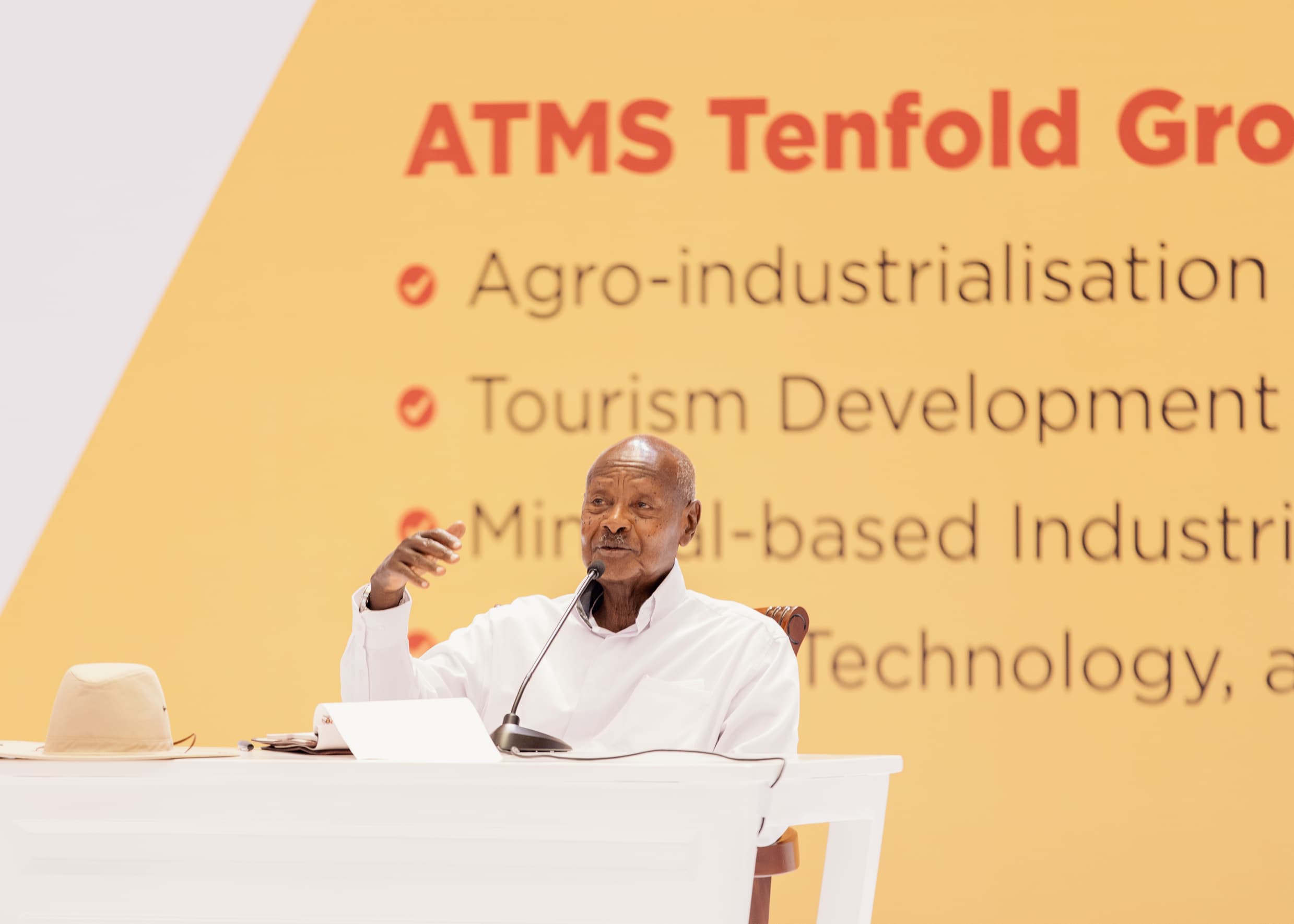
MUNYONYO, UGANDA (UGNEWSLINE) – President Yoweri Kaguta Museveni has outlined five historical missions that Africa must accomplish to achieve sustainable development, challenging the continent’s elites and young people to actively participate in their realisation.
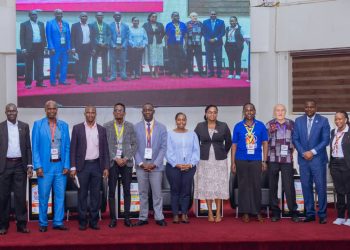
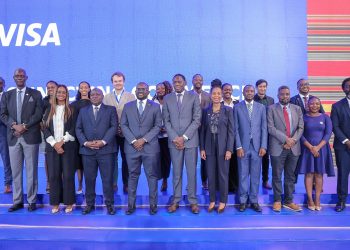
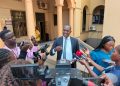
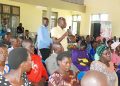
Museveni made the remarks while addressing participants at The Jazz with Jajja Town Hall Edition, held at Speke Resort Munyonyo, which brought together stakeholders from various sectors, including business, agriculture, manufacturing, financial services, trade, ICT, education, media, tourism, health and creative arts.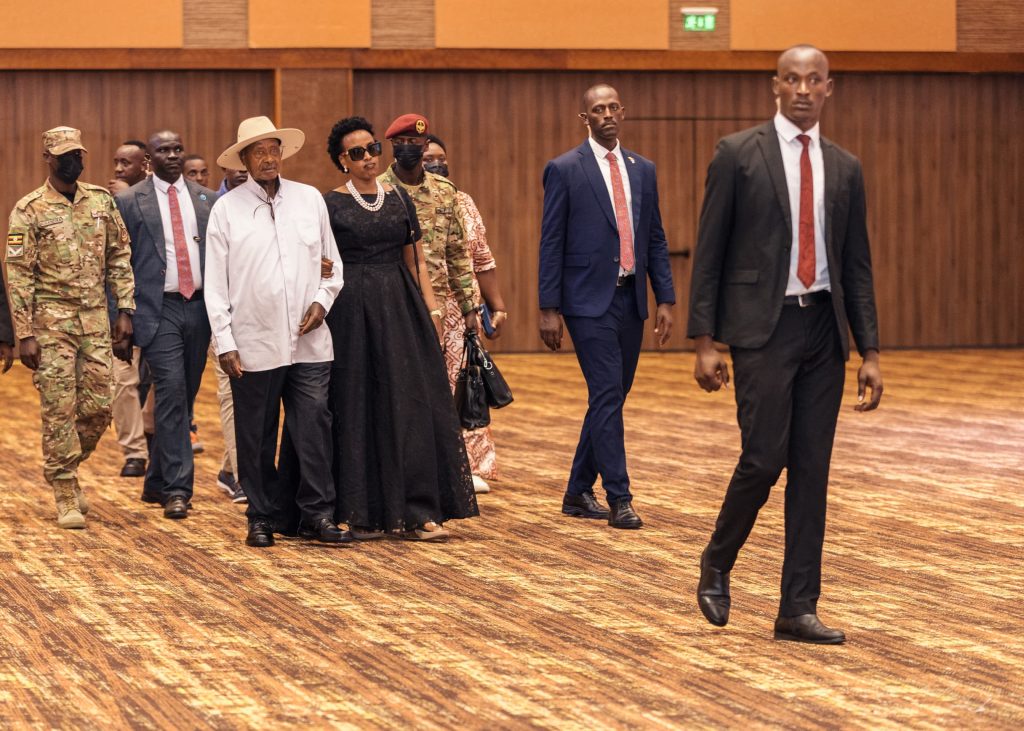 Drawing on Africa’s history of slavery, colonialism and political fragmentation, Museveni explained how divisions among traditional African kingdoms weakened the continent’s ability to resist foreign aggression and contributed to its exploitation by European powers.
He cited the arrival of Portuguese explorer Vasco da Gama along the East African coast and the subsequent expansion of the slave trade as examples of how European powers exploited divisions among African communities, subjecting millions of Africans to forced labour that contributed to Europe’s economic development.
The President faulted traditional African leaders for failing to organise collective resistance despite growing threats of foreign invasion and slave capture, arguing that instead of uniting, kingdoms continued fighting neighbouring communities.
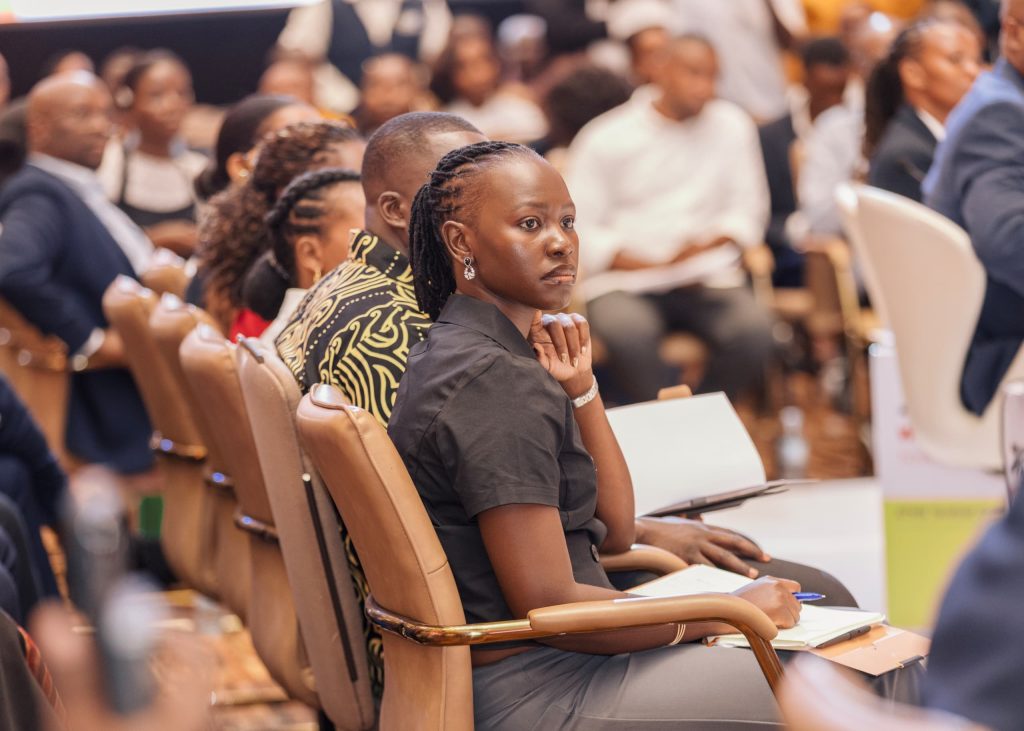
He said this historical failure necessitated the emergence of a new generation of freedom fighters who championed independence and a different political direction for the continent.Museveni identified the first historical mission as the liberation of Africa from colonial rule, followed by the establishment of democracy as the second mission, after Africans had experienced political exclusion under traditional monarchies and colonial administrations.
He cited liberation movements, including the African National Congress (ANC) in South Africa, as examples of organisations that emerged to fight for independence, political freedom and self-determination.
The President identified economic prosperity as Africa’s third historical mission, arguing that political independence alone was insufficient to transform the continent.
He attributed Africa’s economic disadvantage partly to its failure to participate in the Industrial Revolution, which transformed European economies through technological advancement, industrialisation and increased production.
Museveni challenged Africans to embrace wealth creation through production rather than betting, excessive consumption or dependence on others, emphasising that sustainable prosperity comes from producing goods and services and finding markets for them.
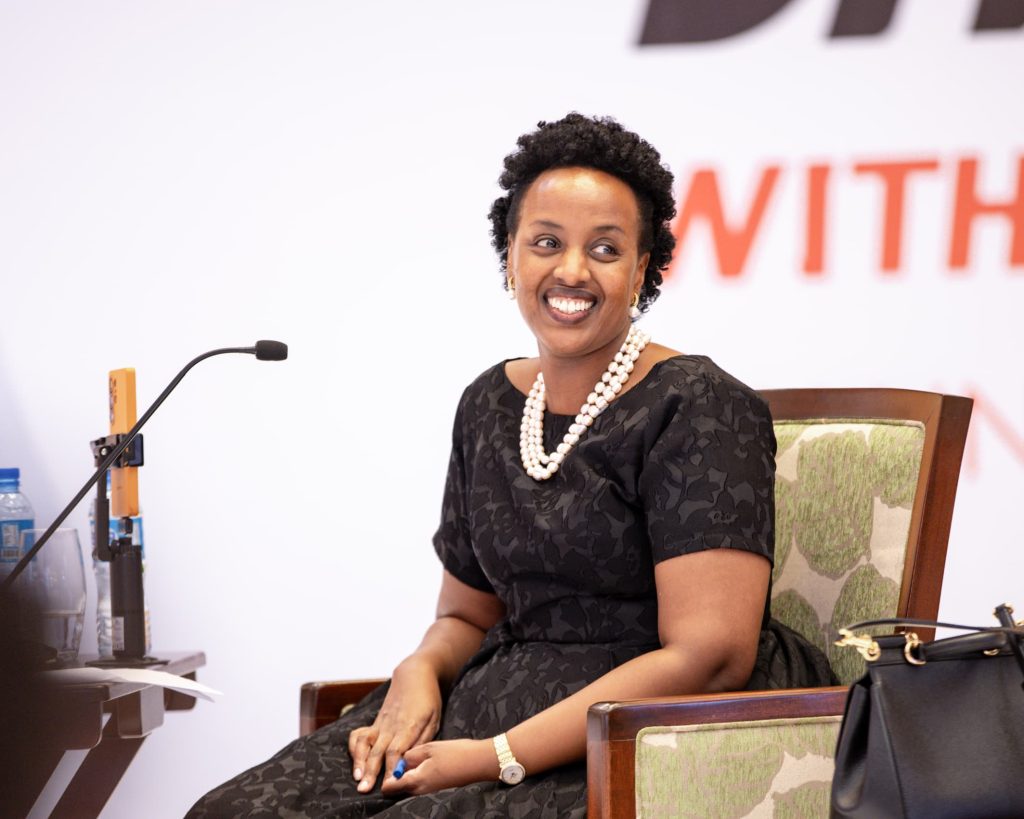
He urged Africans to abandon narrow ethnic and nationalistic interests, arguing that commercial production requires access to markets beyond individual communities and national borders.
Using Uganda’s dairy industry as an example, Museveni said the country produces approximately 5.4 billion litres of milk annually, against domestic consumption of only about 800 million litres.
He questioned how producers could sell the surplus if regional markets remained inaccessible due to trade restrictions and unpredictable border policies.
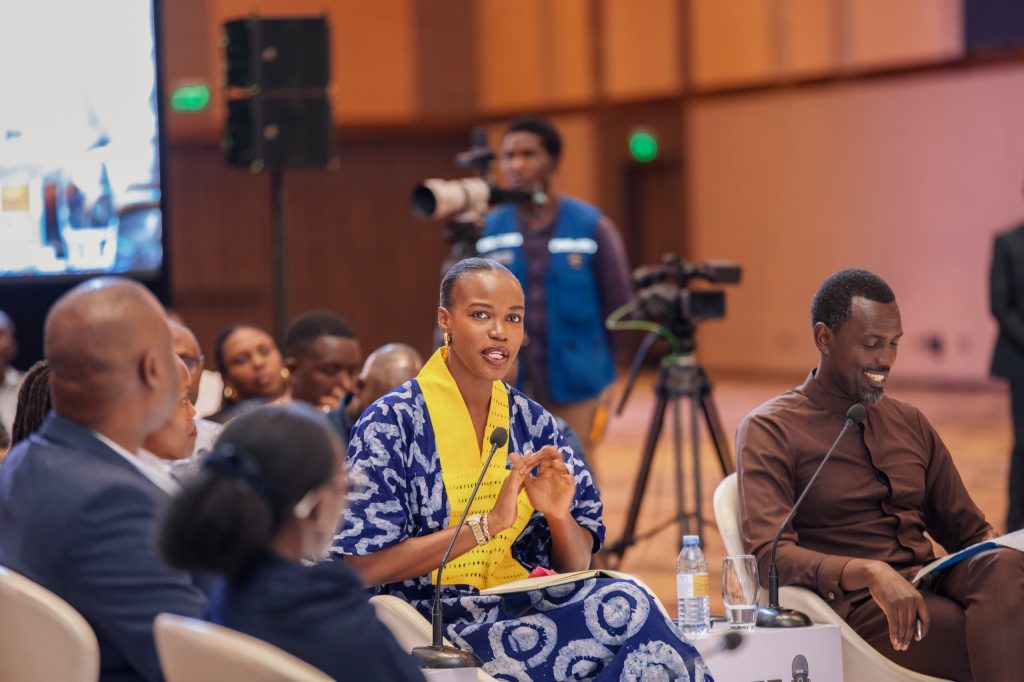
Museveni cited the United States as an example of the benefits of economic integration, explaining that its producers enjoy access to a large domestic market across different states, unlike African businesses that continue to face trade barriers and uncertainty when conducting cross-border transactions.
He argued that fragmented markets undermine production, investment and the ability of African enterprises to expand, calling for greater regional integration to create opportunities for businesses and producers.
The President identified strategic security as Africa’s fourth historical mission, saying the continent must develop its own defence and technological capabilities to protect its interests and compete with established global powers.
He called for increased investment in scientific innovation, advanced technology and economic strength, arguing that Africa must move beyond dependence on external powers for its strategic security.
Museveni also challenged African scientists to contribute to the development of space technology, including satellite systems and space exploration, saying such achievements would strengthen the continent’s global position.
He expressed confidence that Africa could eventually develop the capacity to explore space and reach the moon if its scientific community was adequately mobilised towards that ambition.
The President further emphasised that strategic security requires economic integration, which would enable African countries to pool resources, strengthen their collective capabilities and overcome individual national limitations.
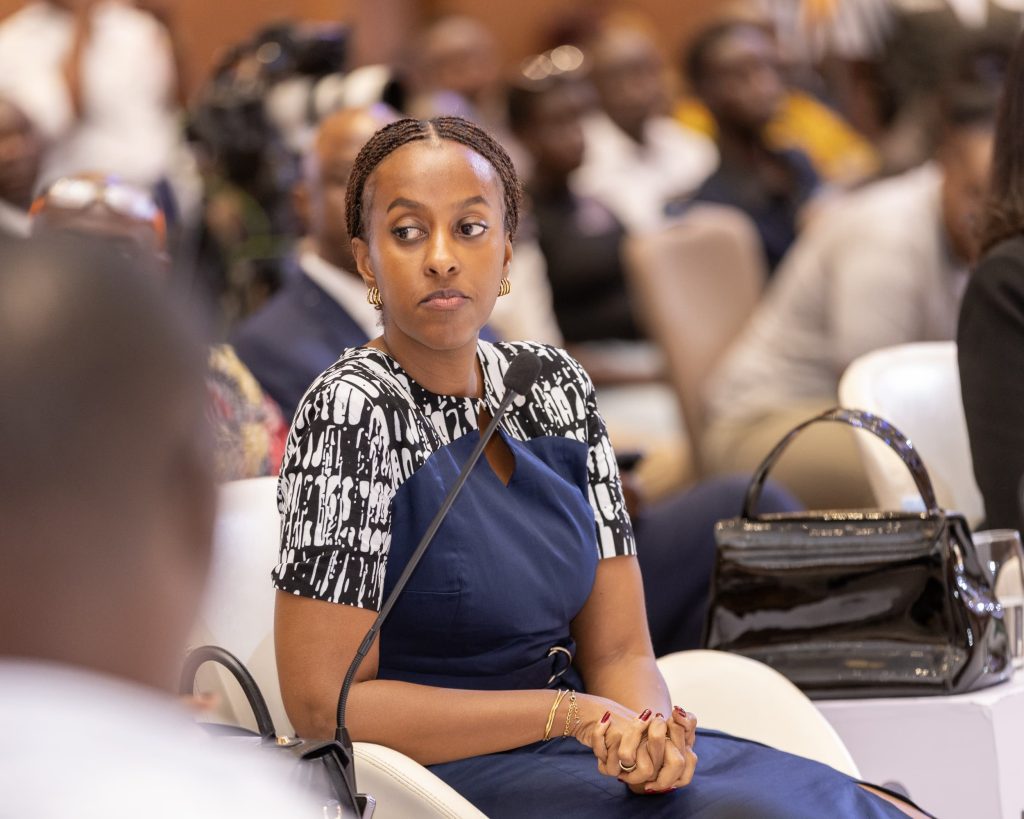
While responding to questions from the audience, President Yoweri Kaguta Museveni made the following remarks:
On reducing government expenditure: President Museveni called for a reduction in government administrative expenditure to free up more resources for science, technology, innovation and wealth creation. He criticised continued demands for the creation of new districts and cities, arguing that the money spent on expanding administrative structures should instead be channelled into productive sectors. He proposed redirecting savings towards programmes such as the Parish Development Model, Emyooga and the Innovation Fund to accelerate household incomes and national development.
On regional economic integration: President Museveni challenged African youth to champion regional economic integration and demand accountability, saying fragmented markets and trade barriers continue to undermine business growth and job creation. He argued that connecting African markets would create opportunities for businesses to expand, attract investment and generate employment. He made the remarks while recounting an encounter with Kenyan youth activists whom he accused of coming to Uganda to mobilise young people for protests, saying Africa should focus more on addressing economic challenges, including limited market access and barriers to regional trade.
On accountability and government programmes: President Museveni urged Ugandans to take responsibility for monitoring government development programmes and holding their elected leaders accountable for service delivery. He said government had committed resources to key priorities, including electricity, roads, railway infrastructure, the Parish Development Model, the Innovation Fund and national security, but emphasised that citizens must ensure these investments translate into tangible benefits. He also indicated that government could increase funding for science and innovation beyond the current allocation.
On financing medical research: President Museveni encouraged medical researchers and private practitioners to utilise the Uganda Medical Association fund, into which he recently pledged UGX125 billion, to access affordable financing for medical research, further studies and the establishment of private health facilities. He said the fund would provide an alternative to commercial bank loans, allowing medical practitioners to borrow at an estimated 10 per cent interest rate and repay the money. He urged health professionals to take advantage of the facility to advance medical research and strengthen healthcare delivery.