



MAKERERE, Uganda (UGNEWSLINE) – Stakeholders have called for stronger alcohol control laws and increased access to reusable breathalyzers to help reduce alcohol-related deaths, road accidents and other social challenges associated with excessive drinking in Uganda.
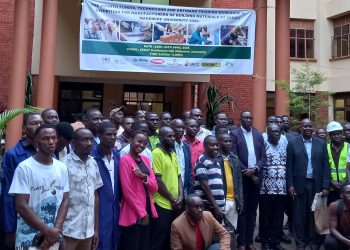
The call was made during the 5th Uganda Alcohol Policy Conference held at Makerere University, where health experts, academics, youth representatives and civil society organisations discussed the growing impact of alcohol consumption and proposed measures to address the problem.
The conference also involved release of the Uganda Alcohol Status Report 2026, whose findings highlight the country’s high alcohol consumption levels and associated challenges, including deaths, school dropouts and loss of household income.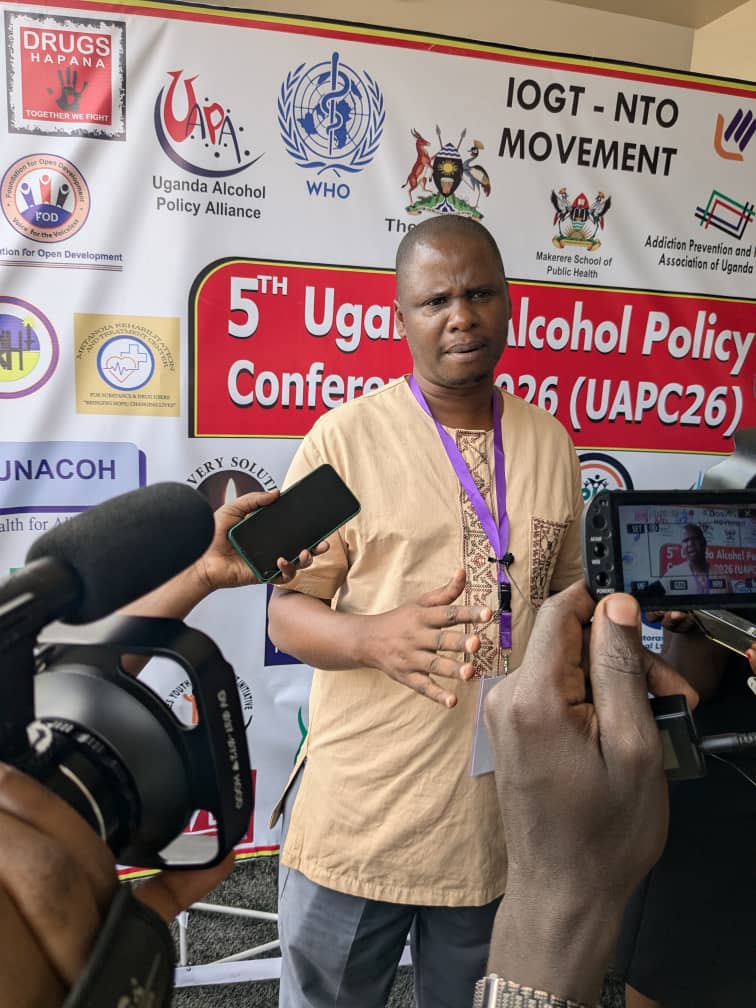 Sam Bambanza from Safe Transport and Survivors Support Uganda (STASSU) urged the government to allow the importation and sale of reusable breathalyzers through pharmacies and other community outlets to enable transport operators and individuals to test drivers before they begin their journeys.
Bambanza said Uganda should not continue relying entirely on the police to identify and apprehend drunk drivers, arguing that communities, bus companies and individual motorists also have a responsibility to prevent alcohol-related road crashes.
“Police is not everywhere. It is our own responsibility to ensure that we reduce alcohol-related deaths and injuries on the road,” Bambanza said.
He proposed that bus companies, school transport operators and other fleet owners acquire the devices to routinely test their drivers before assigning them vehicles, particularly those transporting large numbers of passengers.
He warned that allowing drivers under the influence of alcohol to operate expensive buses carrying dozens of passengers puts lives and property at risk.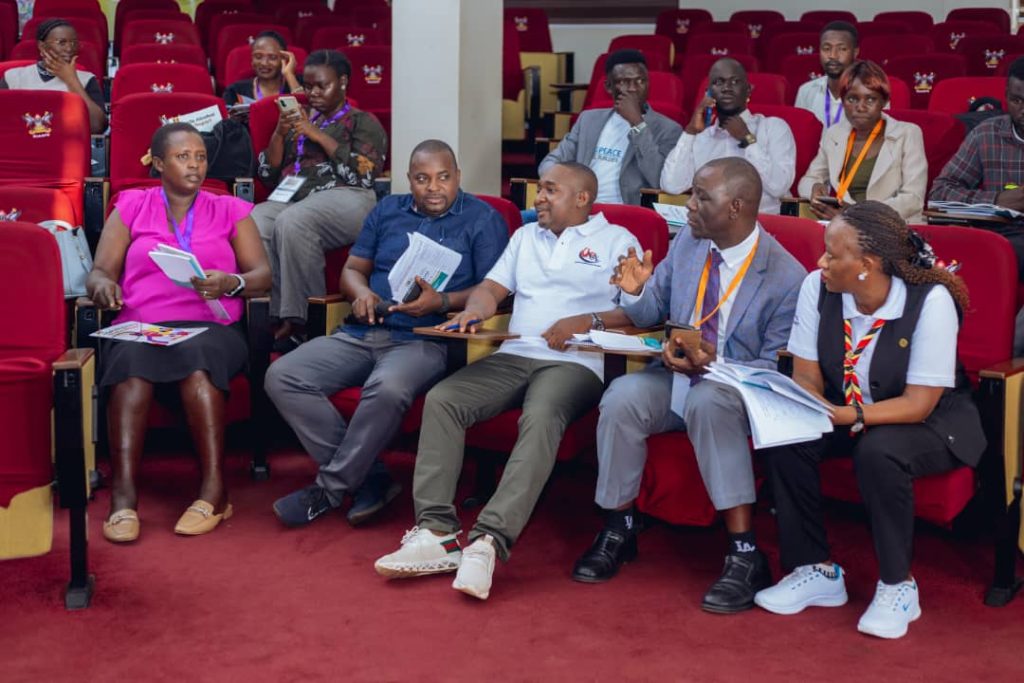 Bambanza also encouraged individuals who employ personal drivers to consider acquiring the devices and testing them before journeys.
He compared the proposed community-based breathalyzer approach to the availability of HIV self-testing kits, saying making testing equipment easily accessible would encourage people to take preventive measures without necessarily depending on specialised institutions.
According to Bambanza, some reusable breathalyzers cost about 100 US dollars, an investment he considers affordable compared to the potential loss of lives and vehicles worth hundreds of millions of shillings.
He called on the National Drug Authority (NDA) to facilitate the importation of the devices, saying STASSU would support efforts to promote their use among transport operators and the wider public.
Bambanza further cautioned motorists against allowing friends or relatives who have been drinking to drive them home, particularly during the Christmas and other festive seasons when alcohol-related road crashes are a major concern. Meanwhile, Richard Tinkasimire Baguma, Chairperson of the Executive Board of the Uganda Alcohol Policy Alliance (UAPA), called for stronger legislation to regulate alcohol production, promotion, advertising and consumption.
Baguma expressed concern over what he described as unrestricted alcohol advertising, promotion and sponsorship across radio, television, print media and digital platforms, including events attended by children.
He argued that alcohol marketing should be regulated to protect children and other vulnerable groups from exposure to promotional messages that may encourage drinking.
“It is not a badge of honour to be number one drinking country in Africa. So regulation must happen,” Baguma said.
He also questioned the country’s progress in developing a comprehensive alcohol control law, noting that the Nguri Act was abolished during the 2023 rationalisation of laws, leaving stakeholders struggling to push for updated, research-based legislation.
Baguma urged Parliament and the government to reconsider their approach to alcohol regulation, including taxation, warning that failure to introduce effective controls could worsen the country’s alcohol-related challenges.
On his part, Dr Pier Luig Rossanigo, Health Advisor of Moroto Catholic Diocese, said there is growing hope that alcohol consumption in the Karamoja sub-region could decline through community sensitisation and local enforcement measures.
Rossanigo, who has worked in Karamoja for more than 20 years, acknowledged that the region has high alcohol consumption levels but said several interventions were beginning to produce positive results.
He dismissed the perception that excessive alcohol consumption is necessarily rooted in Karamoja’s culture, saying sensitisation campaigns has encouraged some people to voluntarily stop drinking and help educate others about the dangers of alcohol abuse.
He added that some sub-counties have introduced by-laws to address alcohol abuse, while several districts had drafted ordinances regulating the sale and consumption of alcoholic beverages.
Rossanigo also reported that police has confiscated and destroyed several jerrycans of illegally produced alcohol as part of efforts to enforce existing regulations.
Alcohol consumption statistics
According to figures cited in the Uganda Alcohol Status Report 2026, World Health Organisation statistics indicate that alcohol use prevalence in Uganda stands at 42.6 per cent among people aged 15 years and above.
The report also highlights alcohol use among people living with HIV, estimating the prevalence at between 33 and 50 per cent, compared to the general population.
Uganda Demographic and Health Survey (UDHS) figures cited in the report indicate that alcohol consumption is particularly high among middle-aged men.
Men aged 35–39 lead at 47.7 per cent, followed by those aged 40–44 at 45.7 per cent and the 45–49 age group at 45.5 per cent.
Among women, the highest reported consumption was recorded in the 40–44 age group.