


By Kabugho Elias
KAMPALA — Debate surrounding Uganda’s proposed National Sovereignty Bill is intensifying, with growing scrutiny over its implications and the level of public awareness as lawmakers continue deliberations.
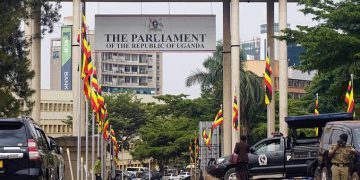
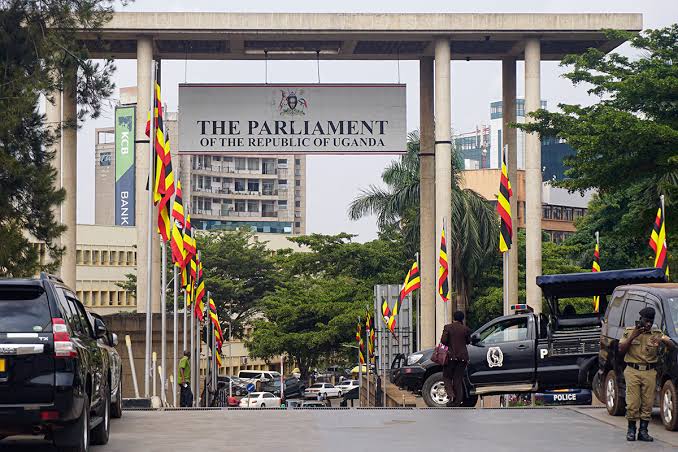
The bill tabled before the Parliament of Uganda by State Minister for Internal Affairs David Muhoozi seeks to regulate foreign influence, funding, and activities in Uganda, positioning itself as a measure to safeguard national independence.
However, observations from within parliamentary corridors point to a widening gap between legislative processes and public awareness. Businessman Nyanzi Martin Luther, speaking after a visit to Parliament, described what he termed as “alarming ignorance” among ordinary citizens regarding the bill.
According to him, informal interactions with people both within Kampala and on his way from Parliament revealed that many had never even heard about the proposed law.
“I asked several people about the National Sovereignty Bill, and many told me they don’t know anything about it,” he said. “If this law is passed, these are the same people who will find themselves in trouble, yet they will argue it was never announced to them.”
He further criticized what he described as public complacency at a time when critical national decisions are being made.
“Some Ugandans are sleeping, others are busy eating and going about their day, yet Parliament is passing serious matters like the national budget and debating laws that will directly affect them,” he added.
Luther warned that failure to actively follow parliamentary proceedings could leave citizens vulnerable, especially if the law introduces strict compliance requirements.
Government Defends Bill
Government officials have defended the proposal, maintaining that it is necessary to protect Uganda’s sovereignty from undue external interference. A senior official from the Ministry of Justice and Constitutional Affairs said the bill is intended to reinforce national control over key decisions.
“The proposed law is meant to ensure that Uganda’s policies and governance are not compromised by foreign interests,” the official noted.
Veteran politician Yusuf Nsibambi has also backed the initiative, arguing that it provides a framework for accountability.
“This is about ensuring that all actors, both local and foreign, operate within clearly defined legal boundaries,” he said.
Critics Warn of Rights and Economic Risks
Despite these assurances, critics—including legal experts and civil society actors—have raised concerns about the bill’s broad provisions.
Political analyst Charles Onyango-Obbo has been among the outspoken critics, describing the proposed law as deeply flawed in its current form.
Meanwhile, rights advocates from Chapter Four Uganda have warned that the bill could restrict civic space if not carefully reviewed.
“Any legislation of this magnitude must undergo thorough public scrutiny to ensure it does not undermine fundamental freedoms,” a representative said.
Governance analysts from the Alliance for Finance Monitoring echoed similar concerns, emphasizing the need for increased civic education.
“You cannot effectively implement a law that the majority of citizens do not understand,” an analyst observed.
Former minister Miria Matembe has also cautioned about the possible social impact of the bill, particularly on ordinary Ugandans who depend on financial support from abroad.
“This law risks creating fear and confusion, especially among families relying on external assistance,” she warned.
A Test of Public Engagement
On the ground, reactions remain mixed. While some citizens support efforts to strengthen national sovereignty, others admit they are only now hearing about the bill—mirroring the concerns raised by Luther.
As the Parliament of Uganda continues its work, observers say the National Sovereignty Bill is shaping into more than just a legal proposal—it is becoming a test of public awareness and participation in governance.